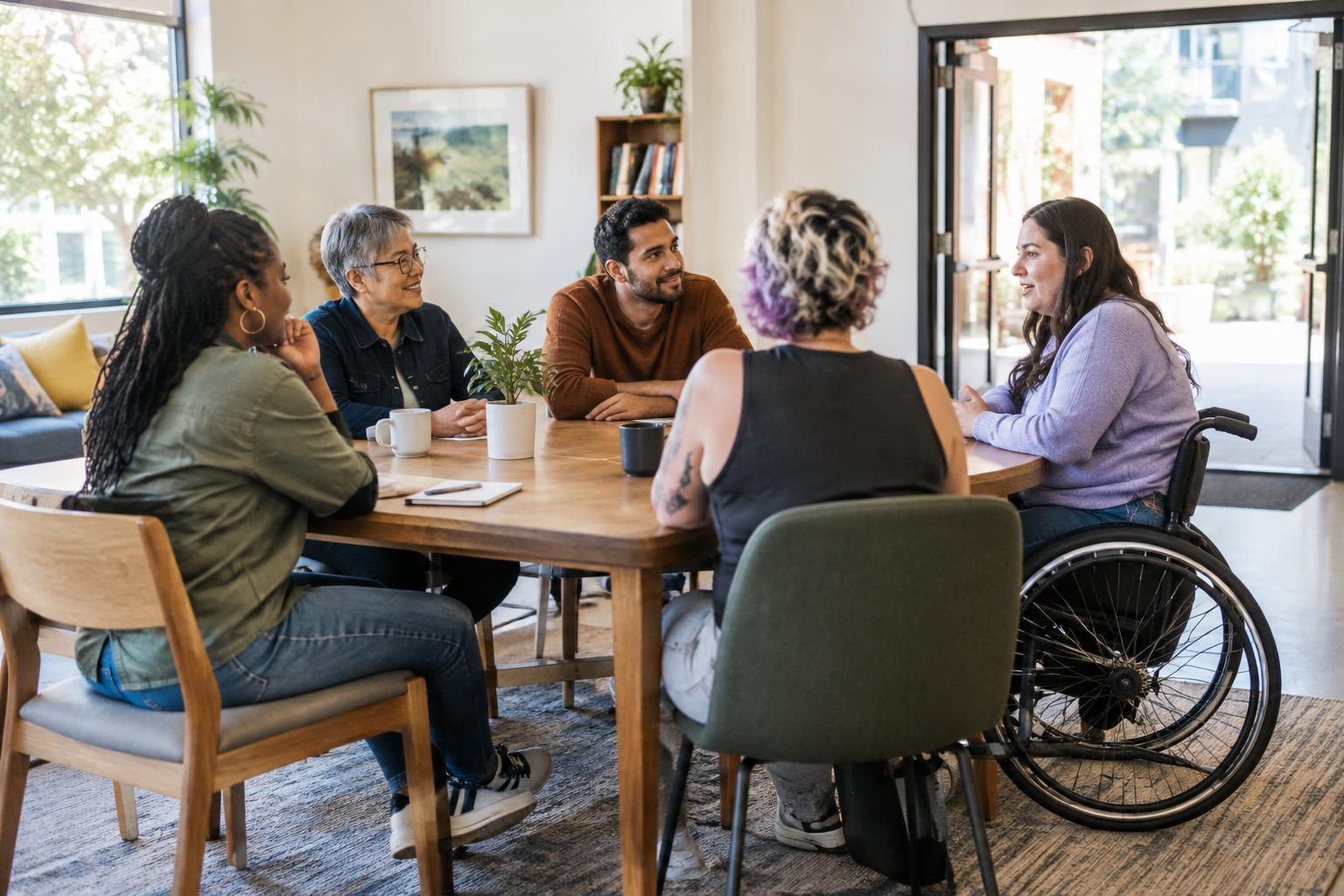
Culture and UnderstandingPeople do not move through the world with just one part of their identity. This introduction to intersectionality explains why overlapping identities matter and offers practical ways to make homes, workplaces and community activities more welcoming.
Read article · 3 min↗

Culture and UnderstandingQuick judgments can shape who gets heard, welcomed or offered help. Learn how to notice the assumptions behind everyday reactions and make more room for curiosity, fairness and choice.
Read article · 3 min↗

Culture and UnderstandingCultural differences can be worth talking about, but a pattern is not a personality test. Learn how to describe what you notice, ask respectful questions and make room for individual preferences at home, at work and in community spaces.
Read article · 4 min↗

Culture and UnderstandingLearning about cultural traditions can help us connect, but a list of customs cannot tell us what any one person believes, needs or enjoys. Here are practical ways to stay curious without making assumptions.
Read article · 3 min↗

Culture and UnderstandingRace, ethnicity and nationality can overlap, but they describe different aspects of identity. Understanding the distinctions can help us ask better questions, avoid assumptions and make conversations more welcoming.
Read article · 3 min↗

Culture and UnderstandingCultural humility is less about mastering facts about other people and more about staying curious, noticing assumptions and responding well when you get something wrong. This beginner’s guide offers practical ways to listen, ask respectful questions and make everyday spaces more welcoming.
Read article · 4 min↗

Community LifeA community group can prepare for an organizer’s departure without expecting one person to replace everything they did. Document essential tasks, share knowledge, invite new helpers and make room for an orderly handover that includes all members.
Read article · 4 min↗

Community LifeBeing unable to attend meetings or events does not mean you have nothing to offer. Here are practical ways to support a local group from a distance, while respecting its needs and your own capacity.
Read article · 4 min↗
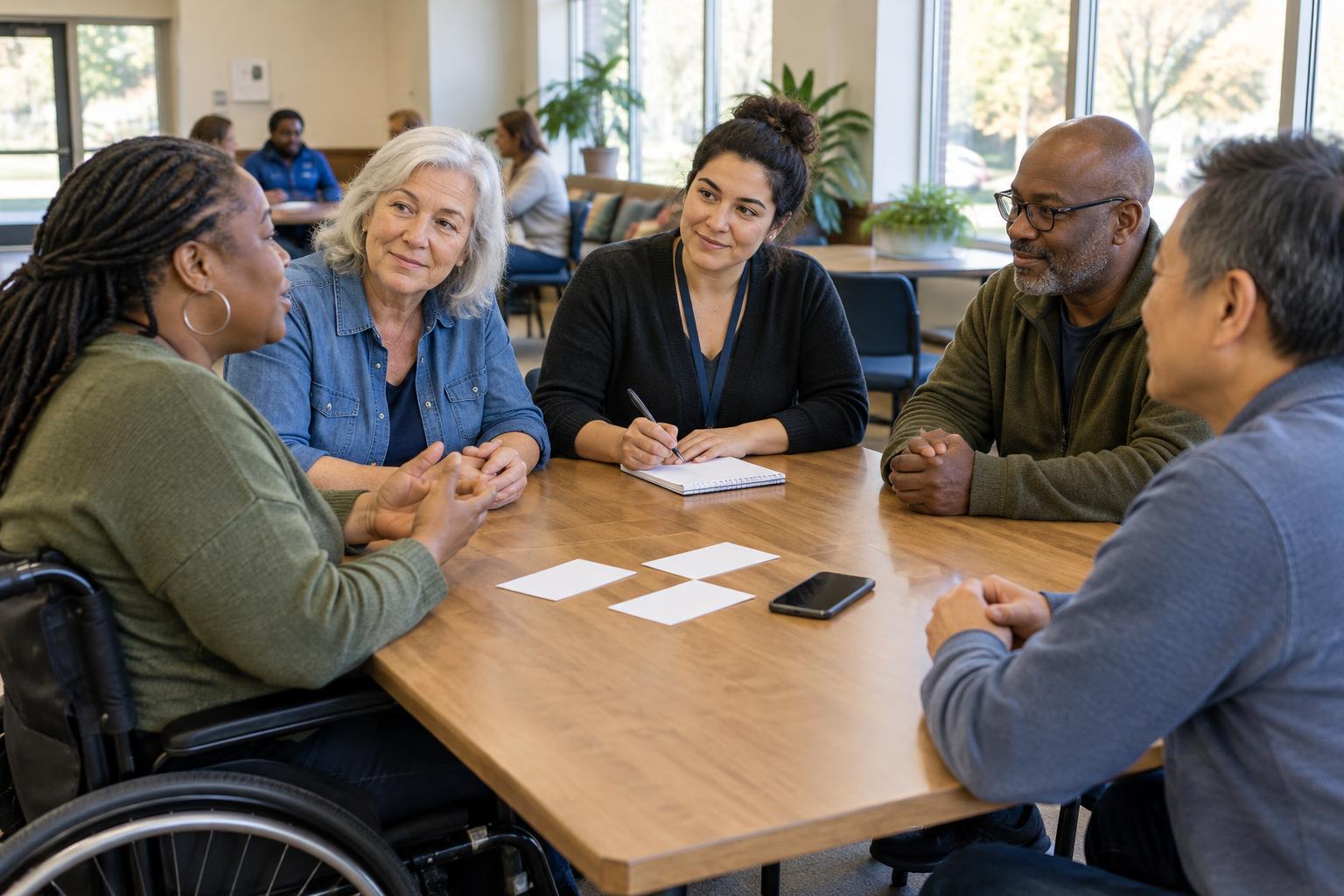
Community LifeA useful post-event check-in makes it easy for people to share what helped them participate, what got in the way, and what they would change. Here is a practical approach to asking, listening, and following through.
Read article · 4 min↗
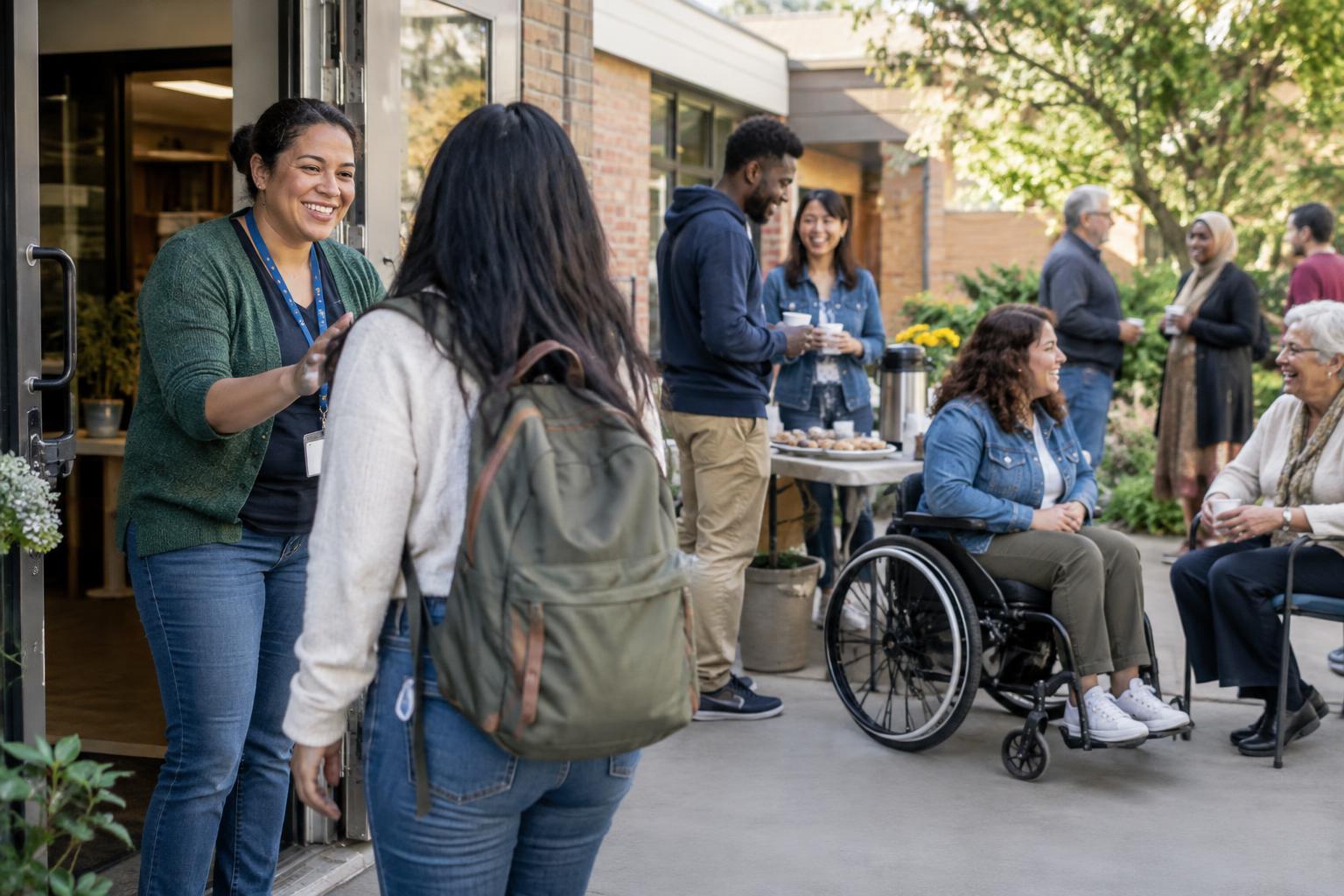
Community LifeA neighborhood event can be open to everyone on paper and still be difficult to attend. Clear invitations, honest access information, flexible ways to participate and a thoughtful welcome can help more people feel that they belong.
Read article · 3 min↗
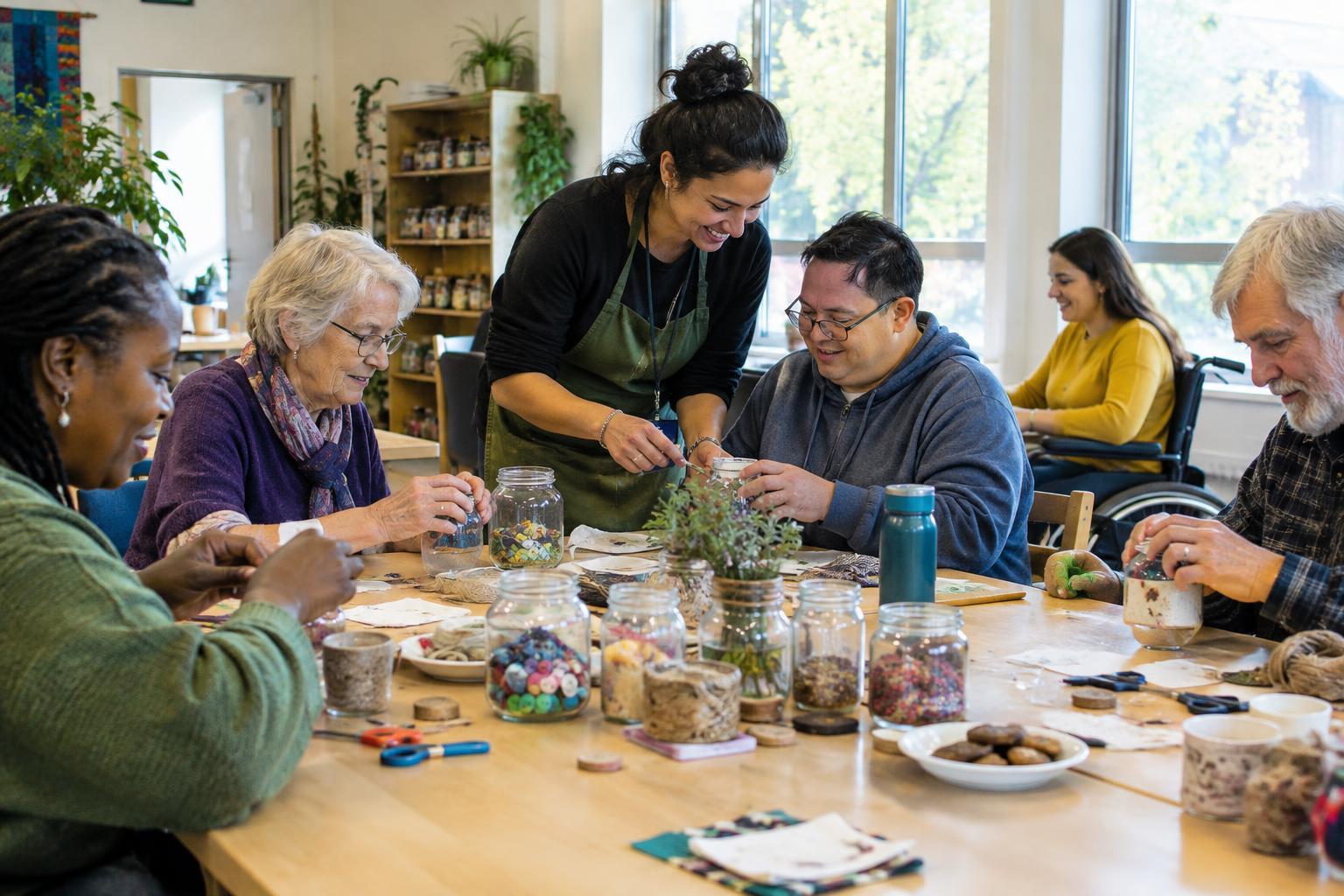
Community LifeLow-cost community activities should not depend on someone quietly working for free. Learn how to set a realistic budget, pay for essential work, offer fair ways to contribute, and keep participation welcoming.
Read article · 4 min↗
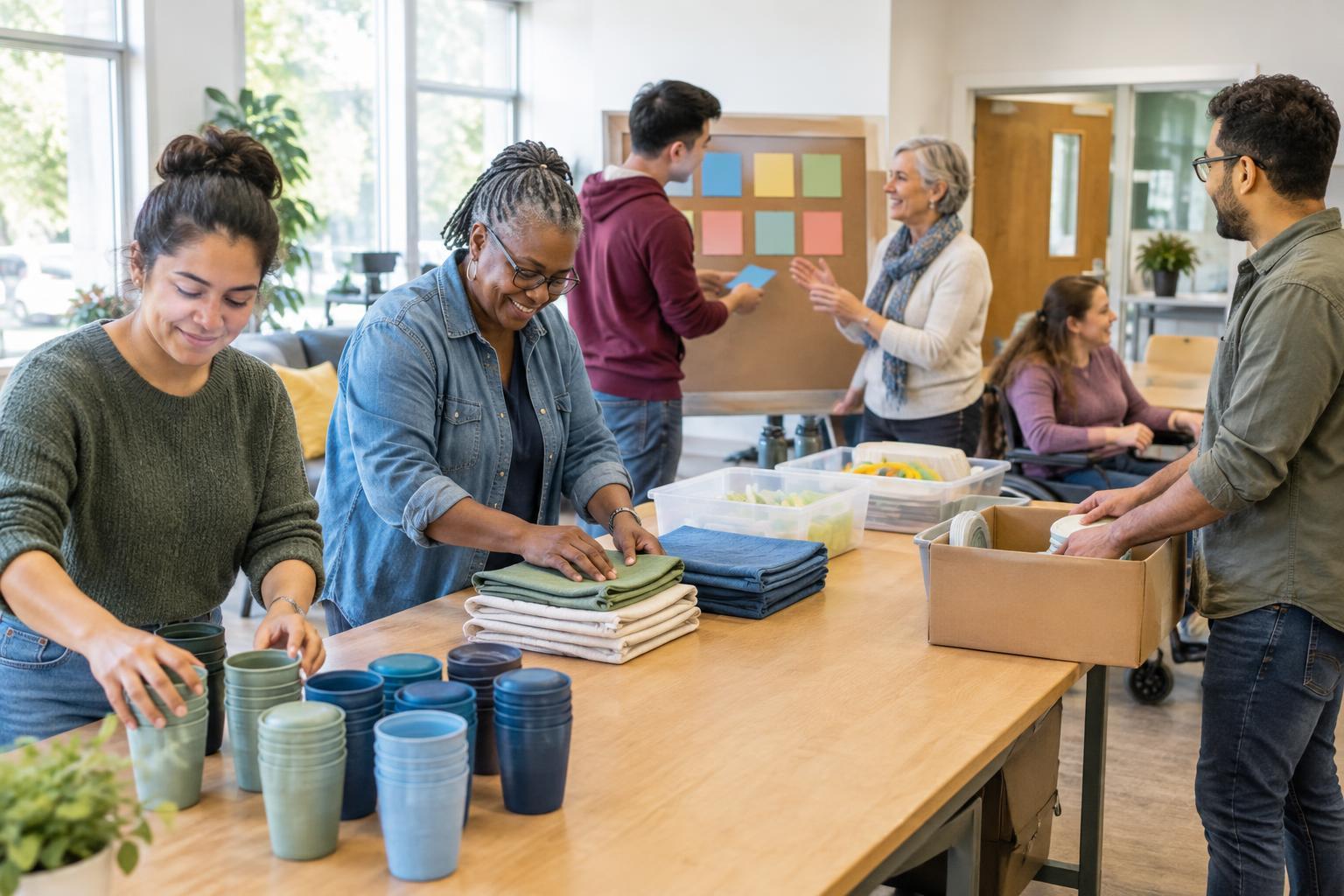
Community LifeA fair task list does more than divide work into equal pieces. It makes responsibilities visible, accounts for people’s different capacities, and gives everyone a genuine way to contribute. These practical steps can help a volunteer-run group plan, share and review its work without relying on the same few people every time.
Read article · 4 min↗
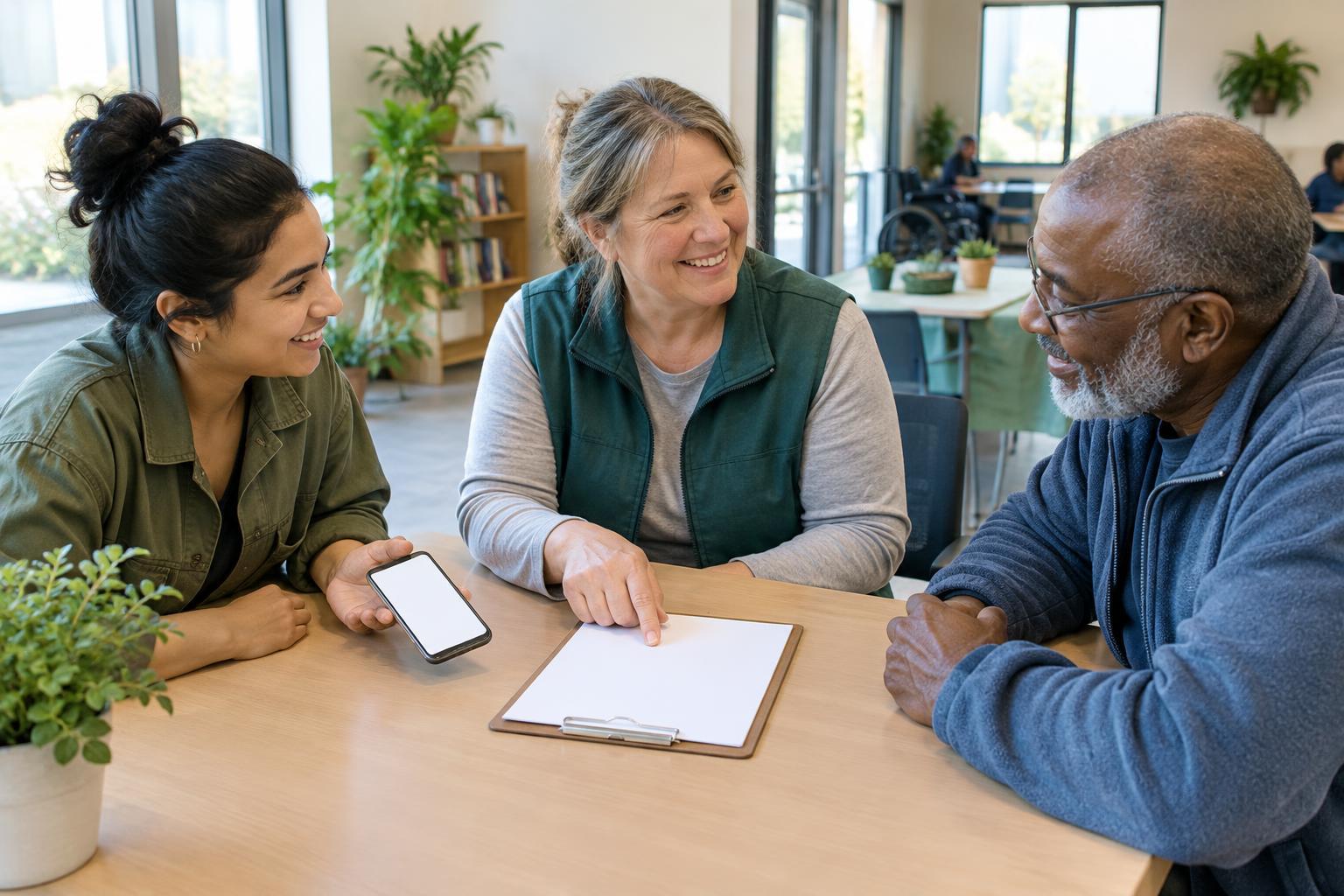
Community LifeA welcoming volunteer sign-up process makes it easier for people to understand the opportunity, express interest and take part. Use clear role descriptions, a short form, flexible ways to respond and a thoughtful follow-up plan.
Read article · 4 min↗
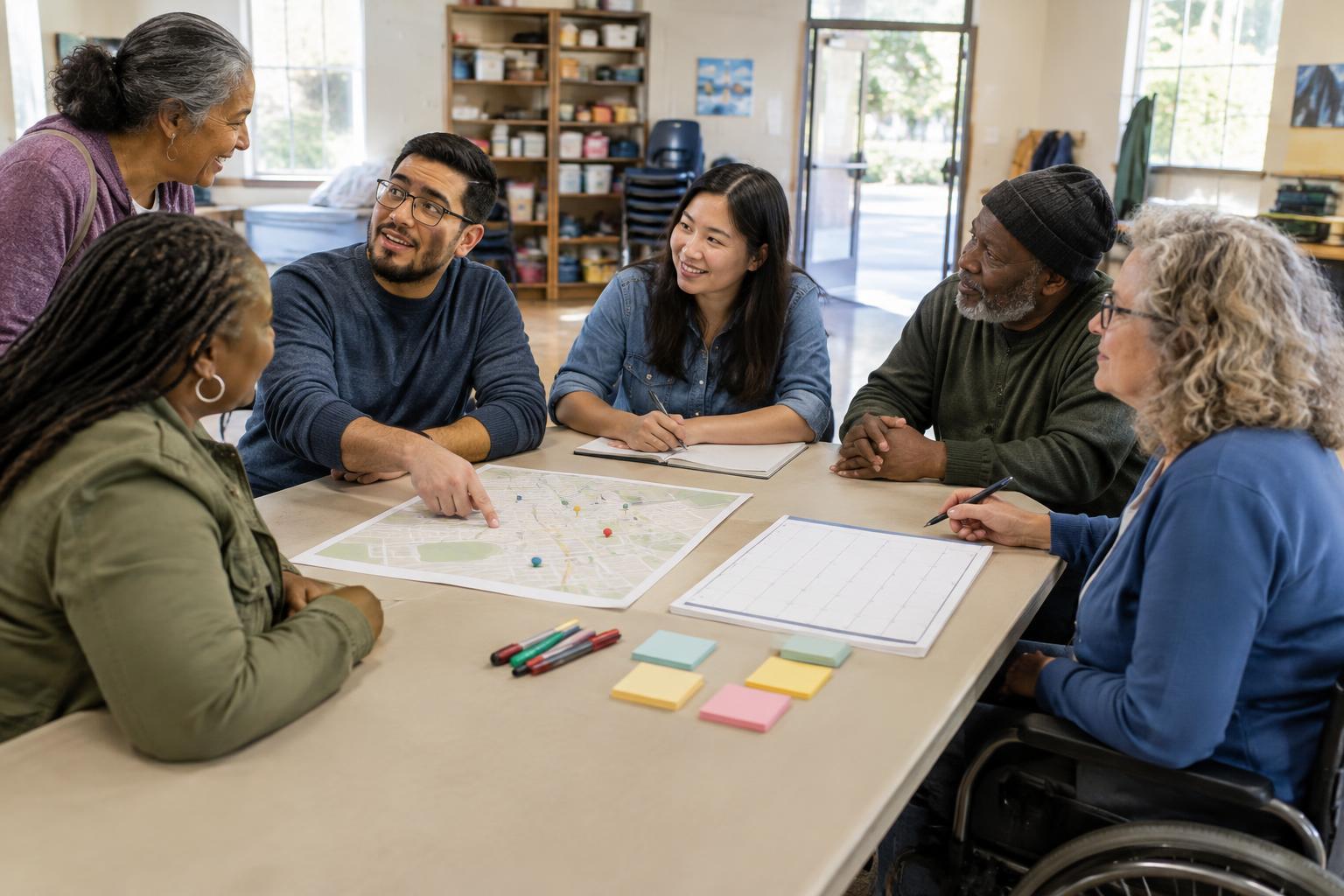
Community LifePartnerships can help local groups make better use of their time, spaces and relationships. Start by learning what each group already offers, then agree on a small shared goal, clear responsibilities and an easy way for residents to find the right support.
Read article · 4 min↗
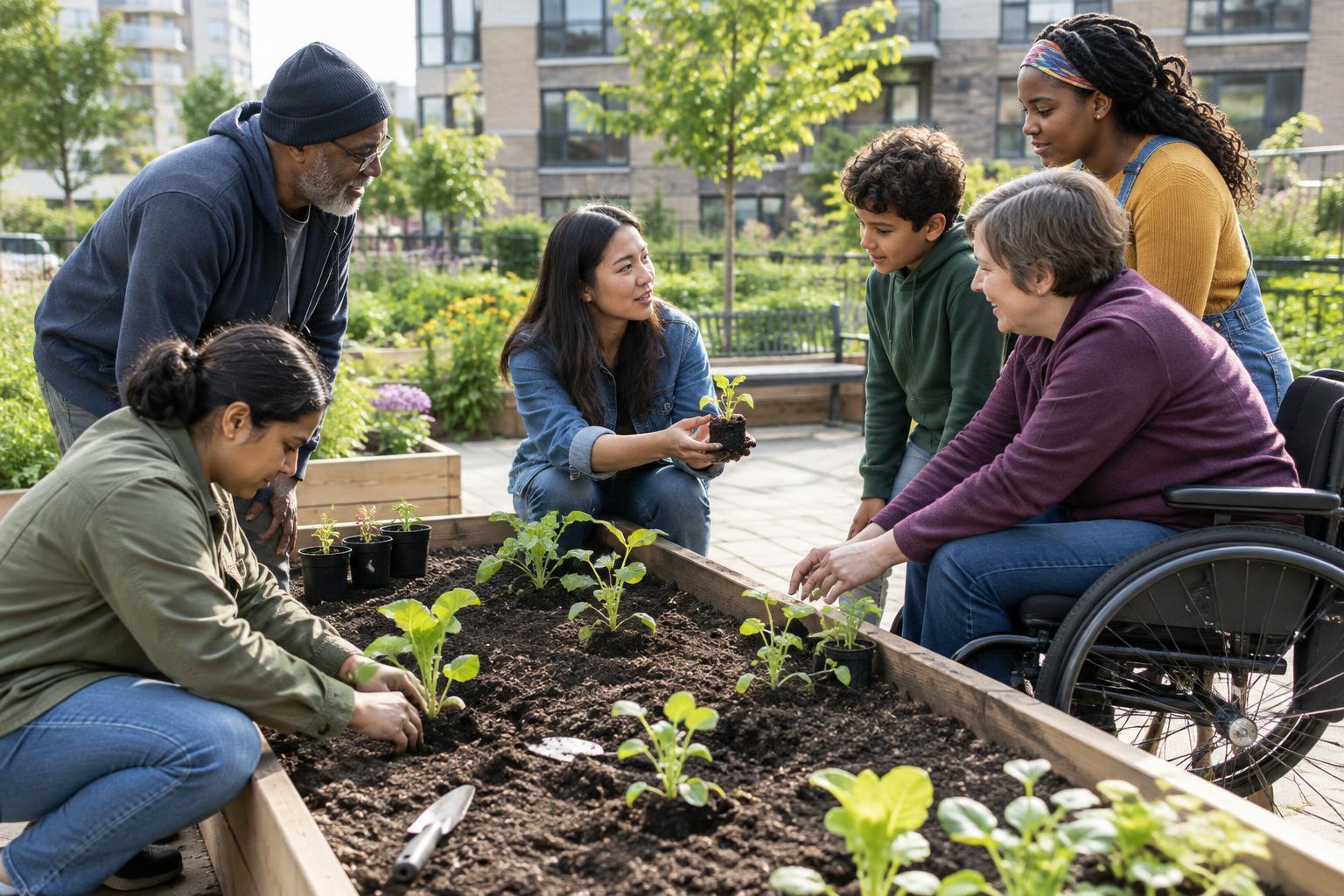
Community LifeA community project does not need a large launch to make a difference. Start by listening, choose one manageable action, and make it easy for neighbors to take part in ways that work for them.
Read article · 4 min↗
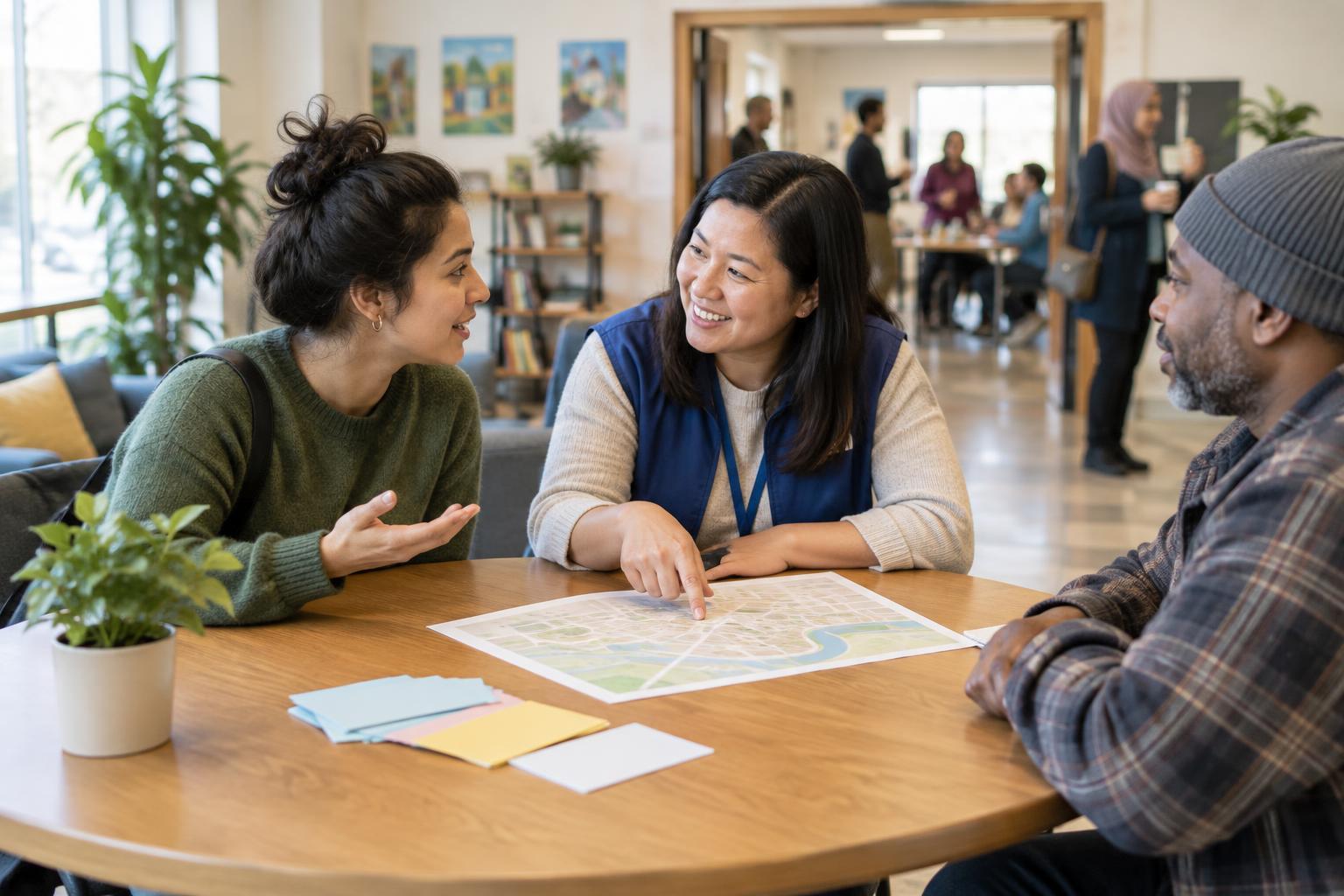
Community LifeFinding your way in a new community takes more than receiving a list of addresses. Clear information, personal invitations and room to ask questions can help newcomers discover activities and services that suit their interests and needs.
Read article · 4 min↗
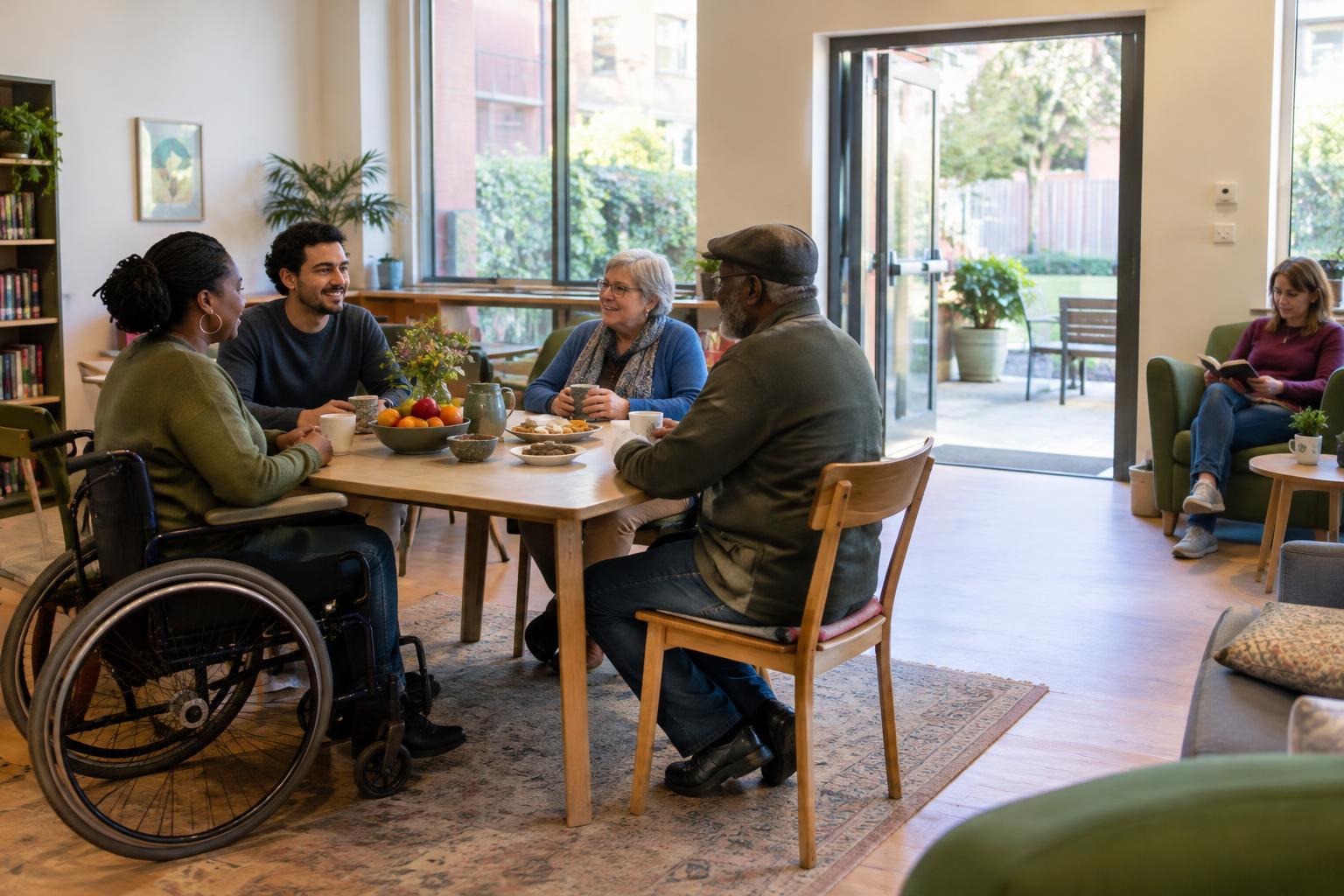
Community LifeA neighborhood gathering does not need a packed schedule or a confident host. With a suitable space, a clear invitation and room for people to participate in different ways, a simple get-together can help neighbors feel more at ease with one another.
Read article · 4 min↗

Community LifeA person arriving alone may be eager to meet others, happy to observe, or simply there for the activity. Clear information, a friendly arrival, flexible ways to participate and invitations without pressure can help everyone feel more at ease.
Read article · 4 min↗
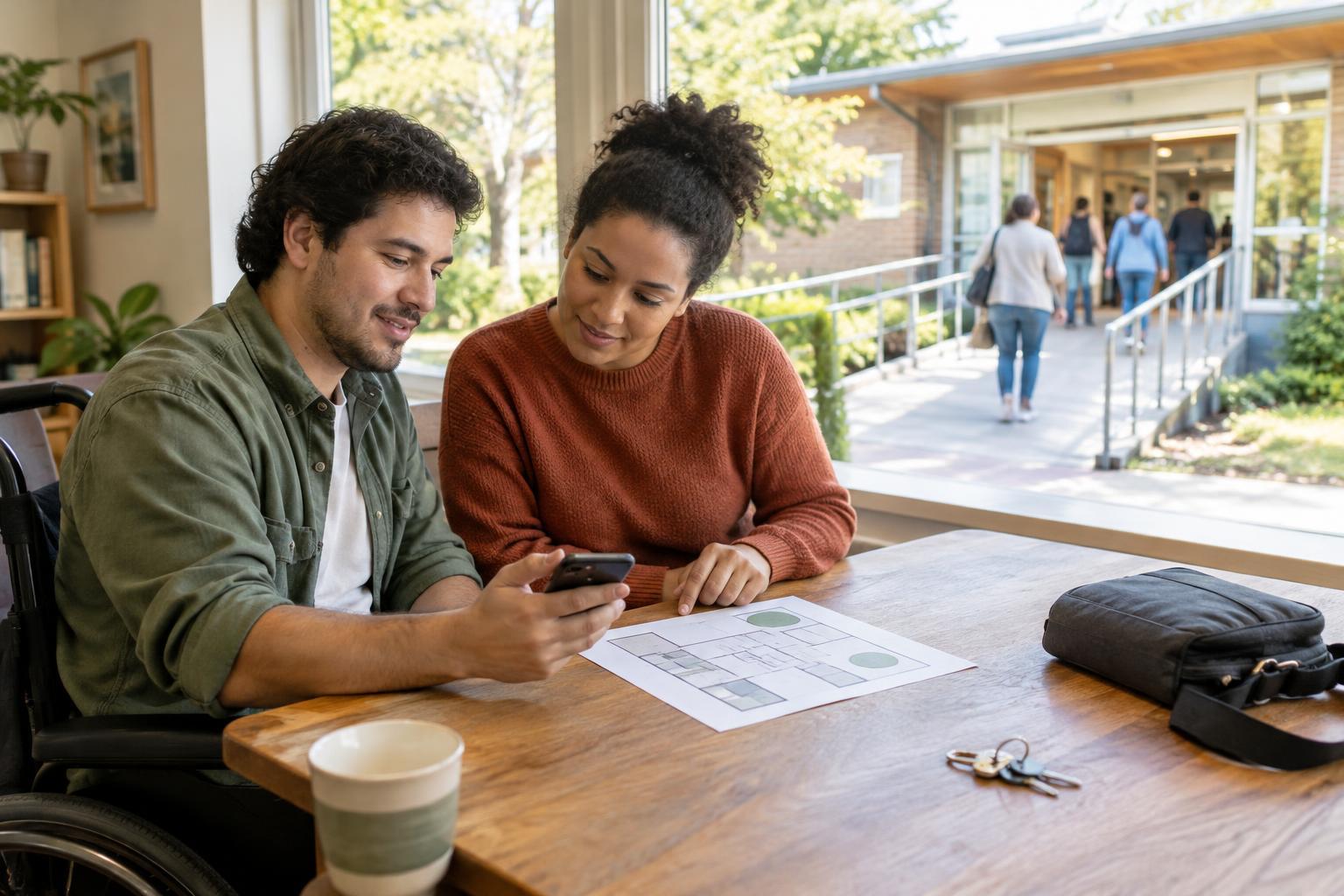
Community LifeAn event listing rarely answers every access question. Learn how to check the venue, ask organizers for useful details, and make a plan that fits your needs before you leave home.
Read article · 4 min↗
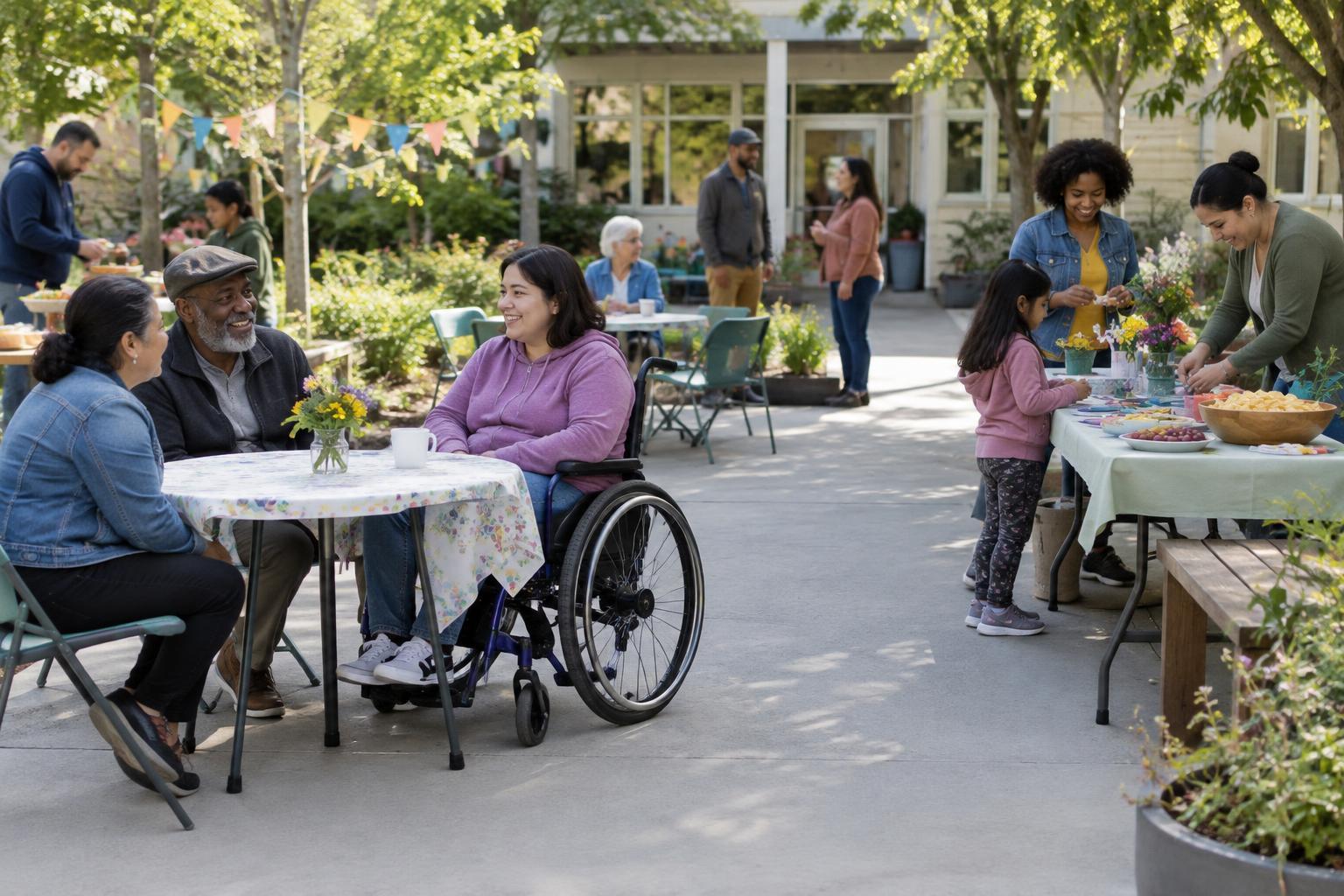
Community LifeA welcoming community event does not need an expensive ticket or a packed schedule. Plan for different budgets, abilities and comfort levels so more neighbors can take part in ways that work for them.
Read article · 4 min↗
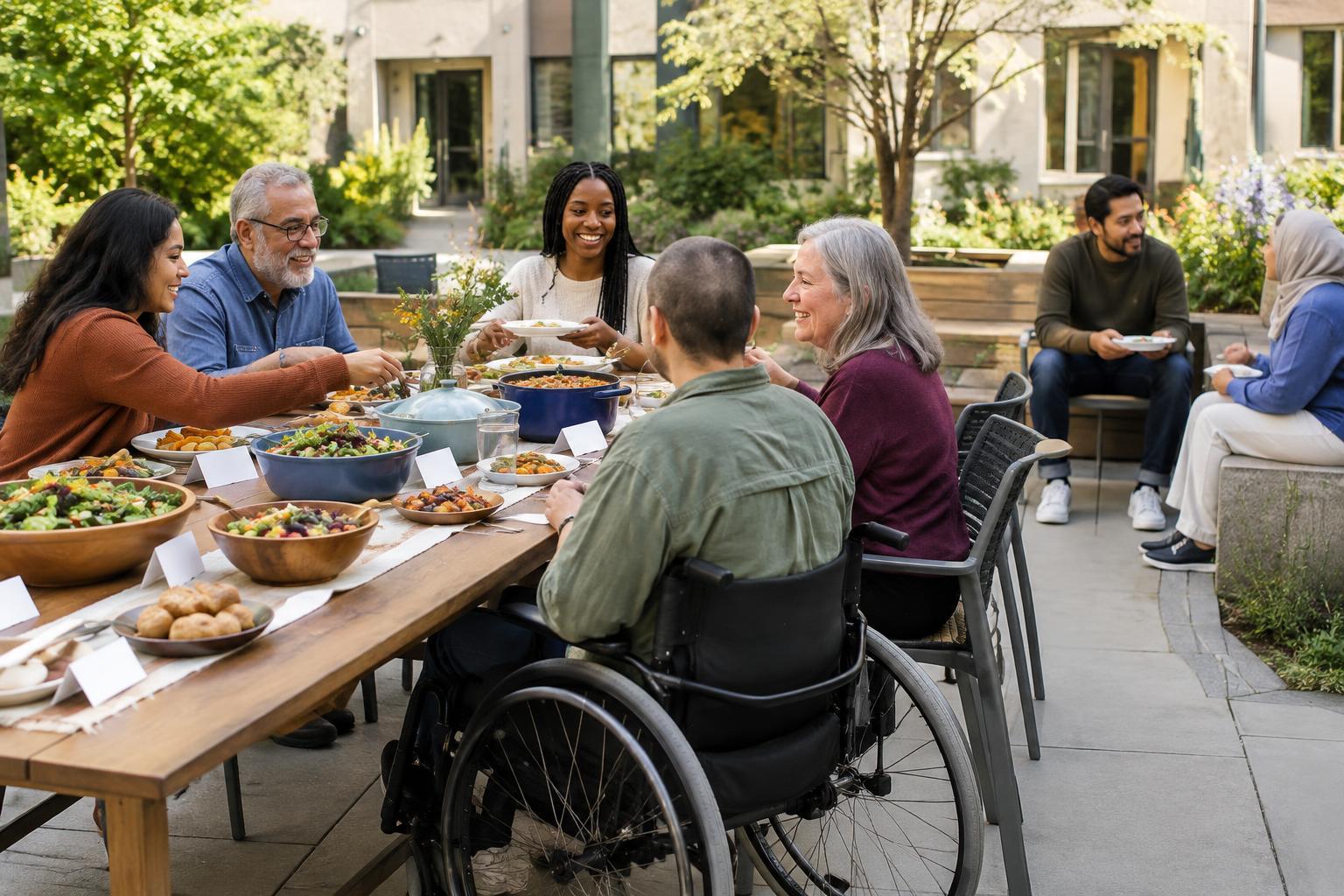
Community LifeA welcoming potluck takes more than a shared table. Plan for accessible space, clear food information, flexible ways to participate and a gathering where neighbors can connect without pressure.
Read article · 4 min↗
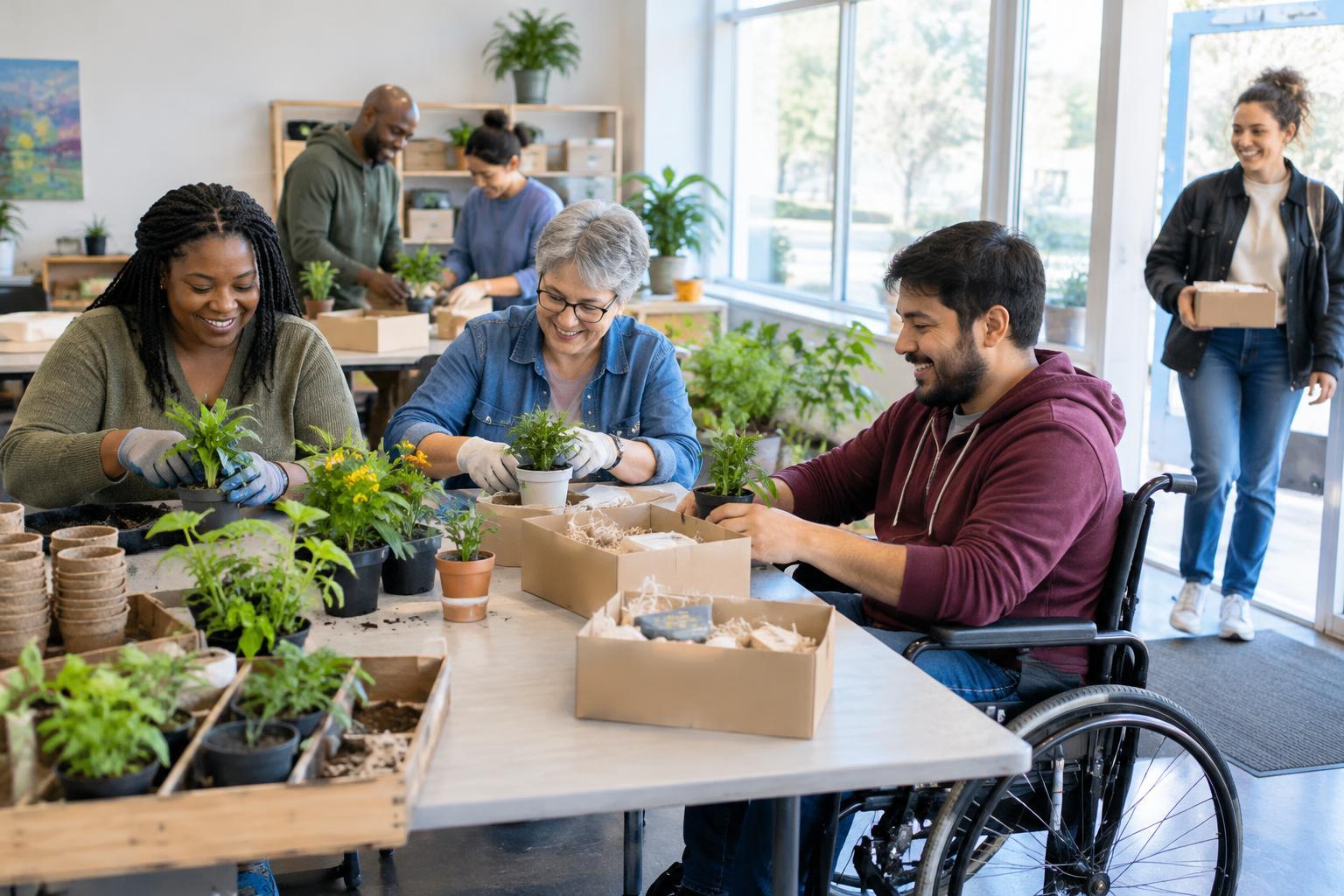
Community LifeVolunteering does not have to mean making a long-term commitment. Compare one-time and ongoing roles, consider your time and access needs, and find a way to contribute that works for you and your community.
Read article · 4 min↗
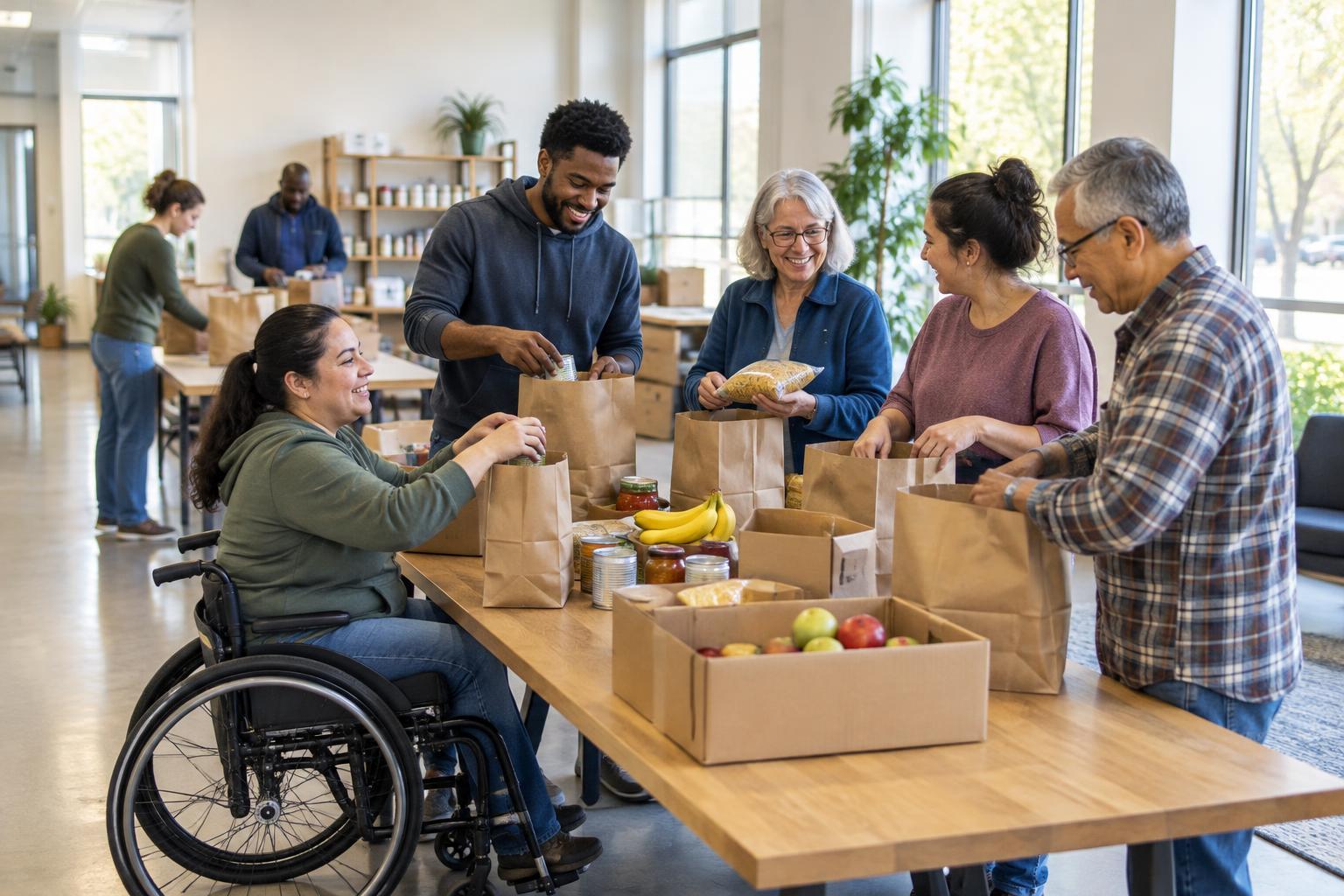
Community LifeLocal volunteering can take many forms, from helping at a one-off event to supporting a project from home. Use your available time, interests and access needs to find a role you can enjoy and sustain.
Read article · 4 min↗
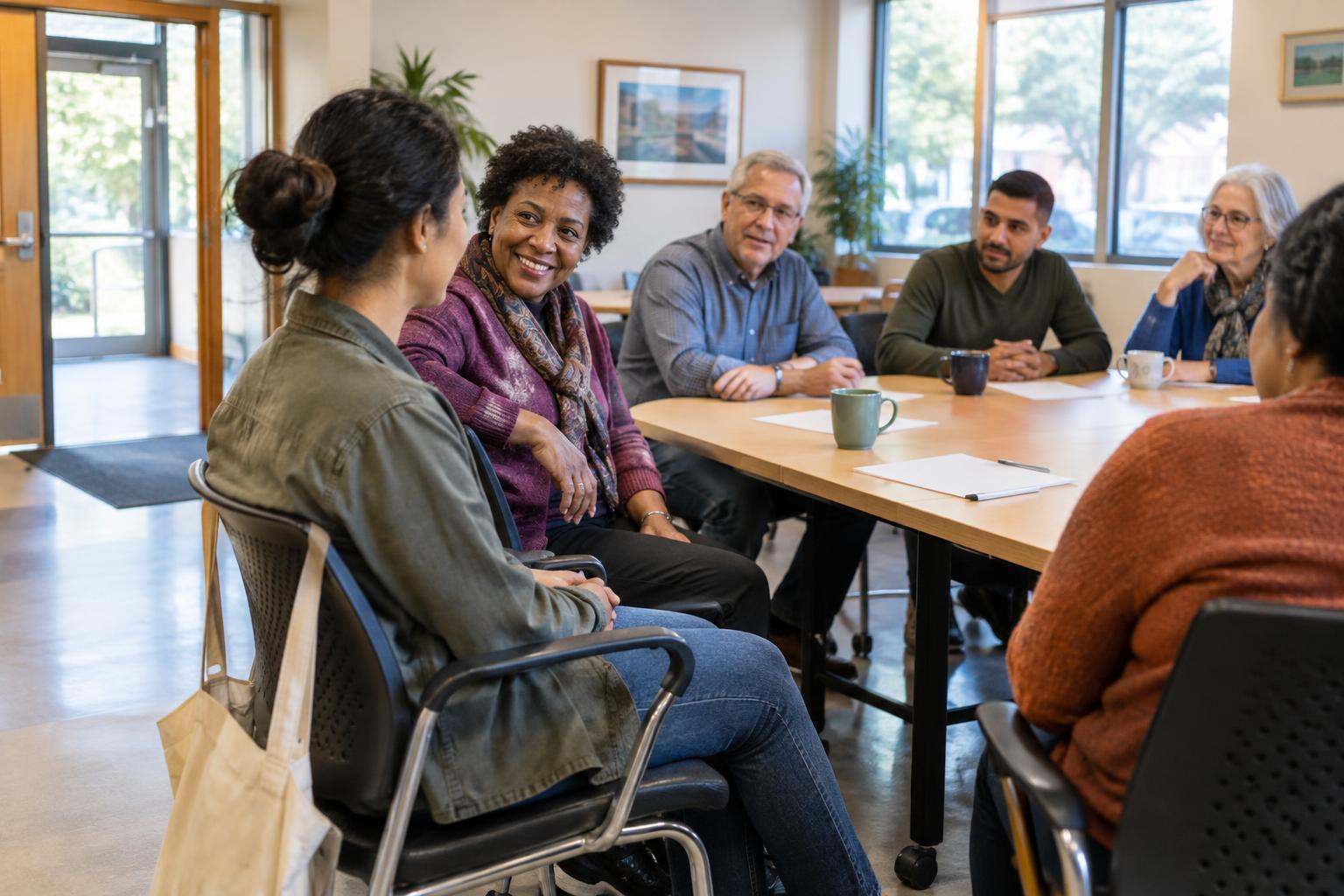
Community LifeA first neighborhood association meeting can feel unfamiliar, but you do not need to know every issue or speak up right away. Learn how to prepare, follow the conversation, find a comfortable way to participate and decide whether the group is a good fit.
Read article · 4 min↗

Community LifeA community group can be easier to explore when you treat the first visit as a trial, not a promise. Learn how to find out what to expect, ask about access needs, participate at your own pace and decide whether to return.
Read article · 4 min↗
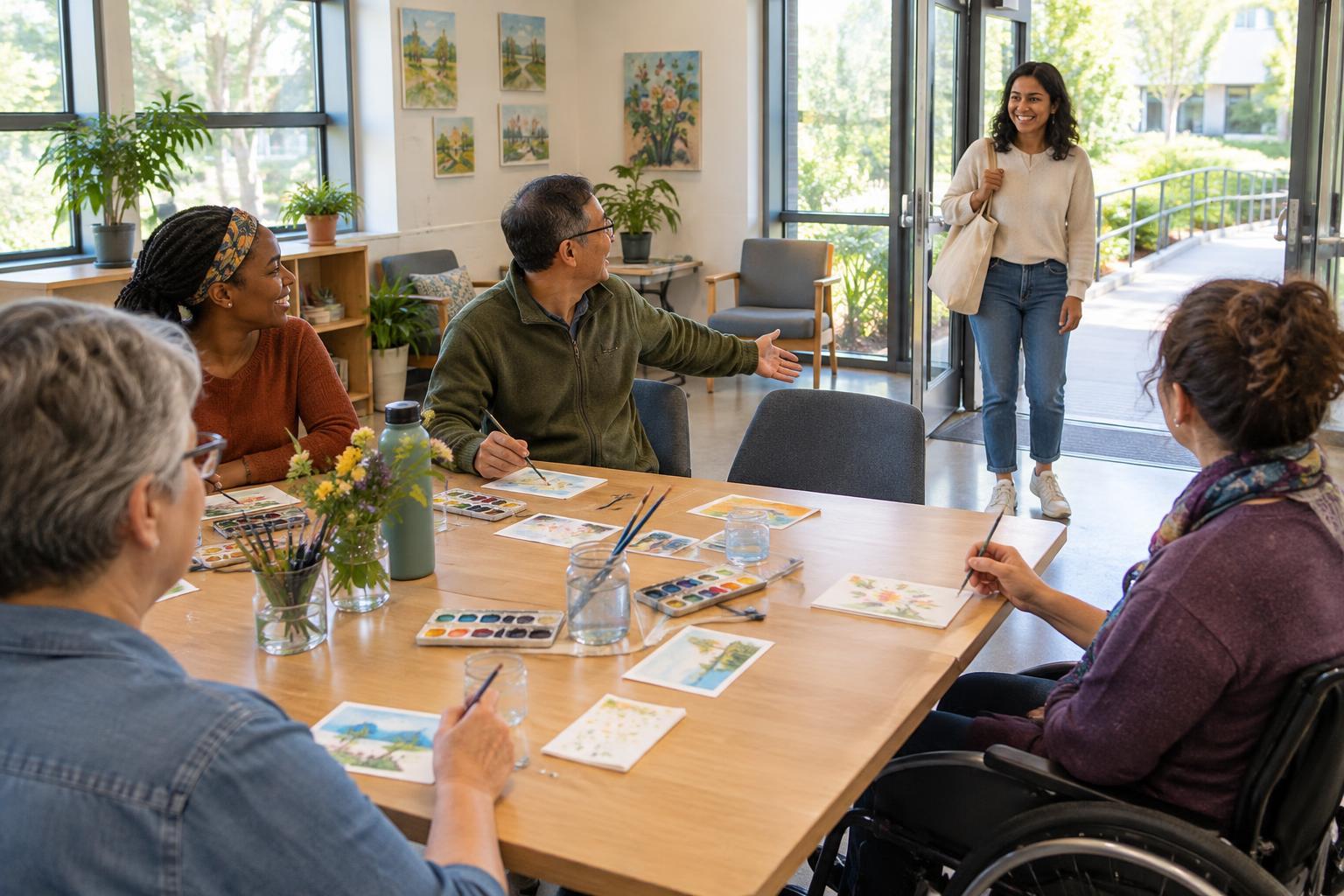
Community LifeTrying a local activity is easier when you know what to look for and what to ask. Learn how to find welcoming groups, check practical details, and make a first visit work for you.
Read article · 4 min↗

Communication SkillsA call can help people work through a question together, a message can handle a quick update, and an email can keep details in one place. The best choice also depends on urgency, accessibility, privacy and the other person’s preferences.
Read article · 3 min↗

Communication SkillsA useful agenda does more than list topics. It tells people why they are meeting, what they may need to prepare, and how they can contribute. These practical steps can make meetings easier to follow and more welcoming to different ways of participating.
Read article · 4 min↗

Communication SkillsAn insensitive comment can leave you deciding whether to speak up, let it pass, or return to it later. These practical responses can help you address the impact, protect your energy, and keep the conversation as constructive as circumstances allow.
Read article · 4 min↗

Communication SkillsConversational boundaries help people understand what you can discuss, when you are available, and how you want to be addressed. Learn practical ways to state a limit, offer an alternative when appropriate, and respond if the conversation keeps crossing the line.
Read article · 4 min↗

Communication SkillsAn apology cannot erase a hurtful comment, but it can be a first step toward repair. Learn how to pause, acknowledge the impact, listen without arguing, and follow through in ways that respect the other person’s choices.
Read article · 4 min↗

Communication SkillsUseful feedback names a specific action, explains its effect and makes room for a better next step. Learn how to talk about behavior without making assumptions about someone’s identity or character.
Read article · 4 min↗

Communication SkillsDisagreement does not have to end a conversation. Learn how to state your view clearly, listen without surrendering your position, and make room for different communication needs while working toward a useful next step.
Read article · 4 min↗

Communication SkillsA good meeting does not require everyone to speak equally, but it should give everyone a fair chance to contribute. These practical facilitation habits make room for reflection, reduce interruptions and offer ways to participate beyond speaking on the spot.
Read article · 3 min↗

Communication SkillsA good group conversation makes room for different voices without putting anyone on the spot. These practical habits can help participants and facilitators notice who has space to speak, invite contributions gently and keep the discussion moving.
Read article · 4 min↗

Communication SkillsA crossed arm, a quiet voice or a glance away can have many meanings. Learn how to notice nonverbal cues without treating them as proof of someone’s feelings, and how to check in respectfully when understanding matters.
Read article · 3 min↗
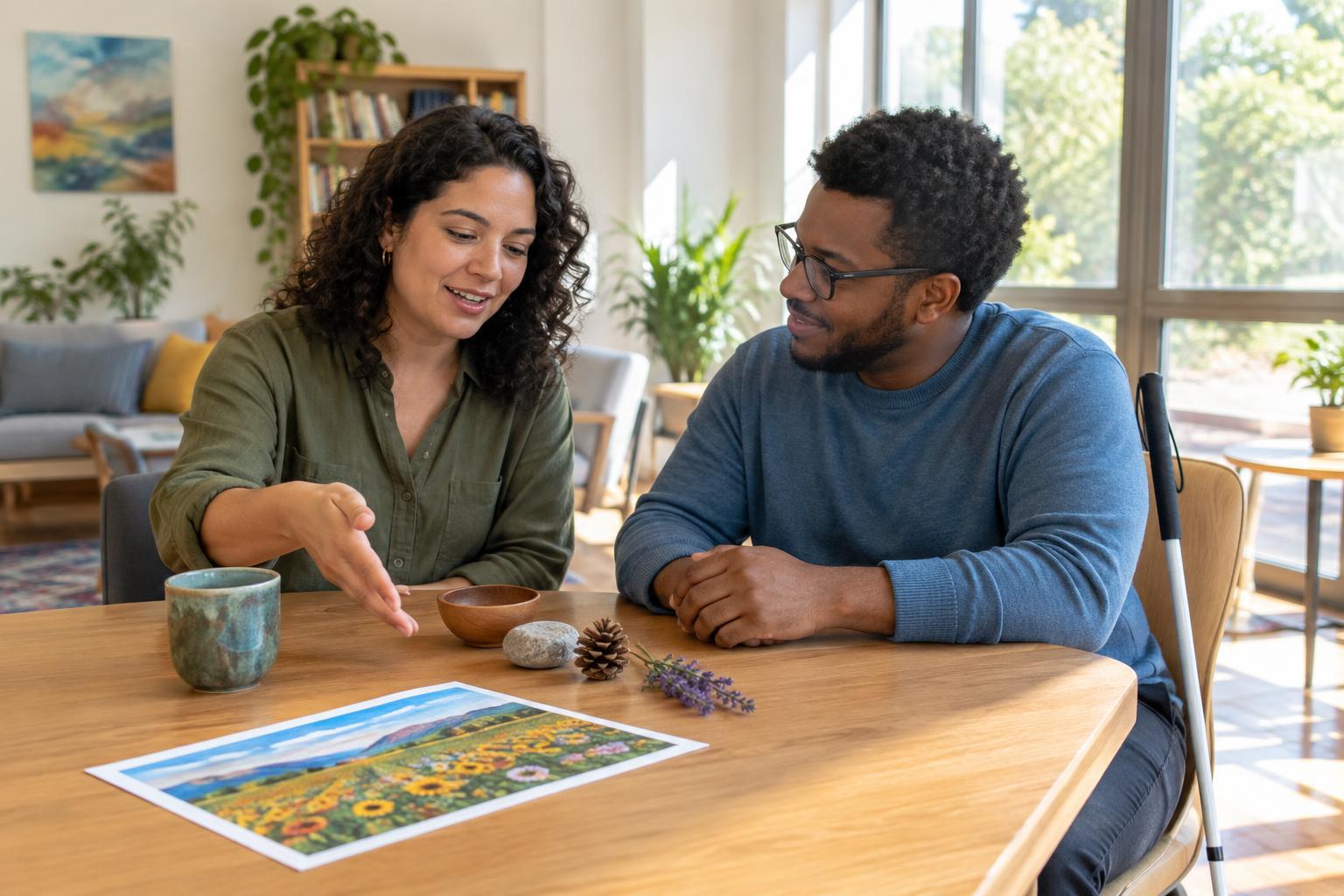
Communication SkillsA clear spoken description can help someone follow what is happening in a room, on a screen or during a shared activity. Learn how to ask what is useful, choose the details that matter and make description feel like a natural part of conversation.
Read article · 4 min↗

Communication SkillsA pause in conversation does not always mean someone has nothing to say. Learn how to make room for different response times in everyday conversations, meetings and messages without making anyone feel singled out.
Read article · 3 min↗
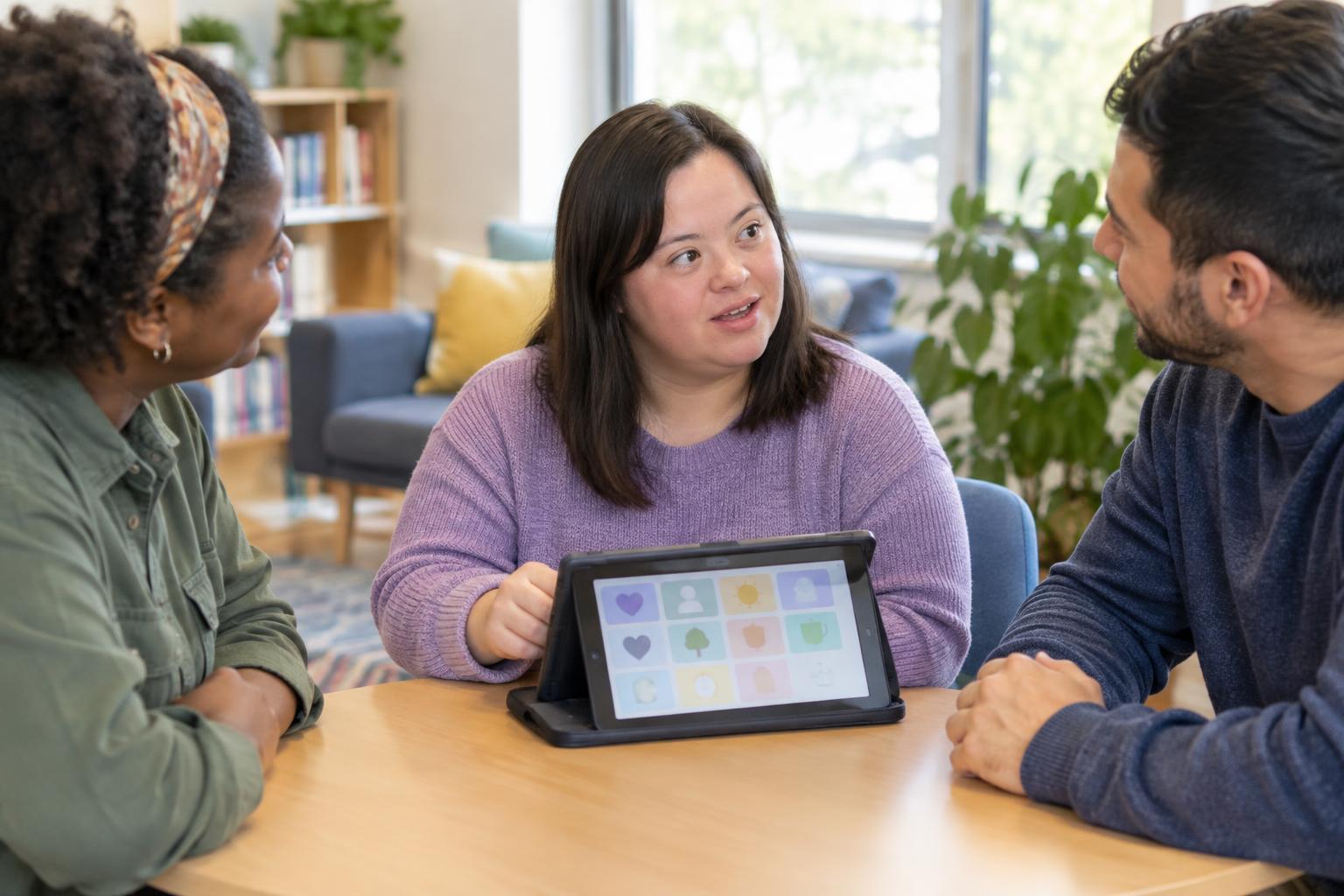
Communication SkillsA good conversation does not depend on everyone communicating at the same speed or in the same way. Learn simple ways to make room for someone who uses an augmentative communication device, from allowing time to respecting their words and choices.
Read article · 4 min↗

Communication SkillsAn interpreter can help people take part in the same conversation, but your attention should stay with the person you came to speak with. These practical habits make conversations clearer and more respectful.
Read article · 4 min↗

Communication SkillsUsing the name and pronouns a person asks you to use is a practical way to show respect. Learn how to ask without putting someone on the spot, build better habits, and correct a mistake without making the moment about you.
Read article · 4 min↗

Communication SkillsA simple question about communication preferences can make conversations easier and more welcoming. Learn when to ask, what to offer, and how to follow through without putting someone on the spot.
Read article · 4 min↗

Communication SkillsA quick “Does that make sense?” can feel like a test, even when you mean well. Learn gentler ways to check that a message landed, make room for questions, and confirm next steps together.
Read article · 4 min↗

Communication SkillsPlain language helps people understand a message and decide what to do next. The key is to simplify the information, not talk down to the reader. These practical steps can make everyday messages clearer, warmer and easier to use.
Read article · 4 min↗

Communication SkillsOpen-ended questions invite people to share their perspective. Closed questions make it easier to confirm a detail or choose a next step. Learn how to use both without turning a conversation into an interview.
Read article · 4 min↗

Communication SkillsActive listening is less about staying perfectly silent and more about making room for someone to finish their thought. Learn how to use pauses, brief responses and thoughtful questions to show attention while respecting different communication styles.
Read article · 3 min↗