Begin with a question, not a finished plan
A community project might begin with a neighbor saying that the local meeting place feels unwelcoming, or with several people wishing there were more chances to meet. It is tempting to respond with a fully formed event or committee. A better starting point is often a question: What would make this place easier to use or more enjoyable to share? The answer may be smaller, and more useful, than the project you first imagined.
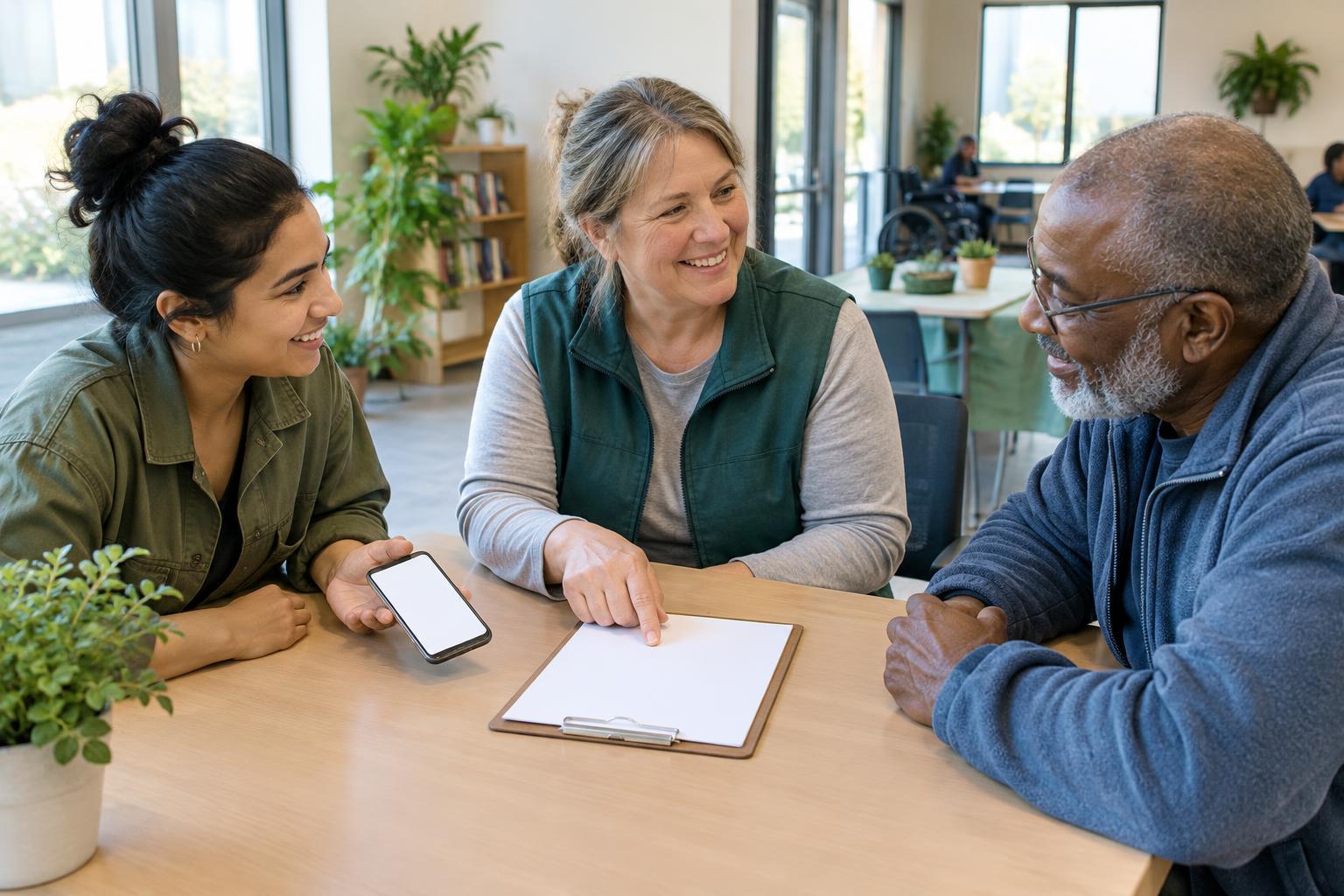
Talk with people who might be affected before deciding what to do. Ask what already works, what gets in the way, and whether they would like to help shape a response. Listen especially for barriers that may be easy to miss: a gathering time that excludes shift workers, an entrance that is difficult to use, a flyer that is hard to read, or a meeting where only confident speakers get heard. A few conversations cannot represent everyone, but they can help you avoid treating your own experience as the whole picture.
Make the first goal small enough to test
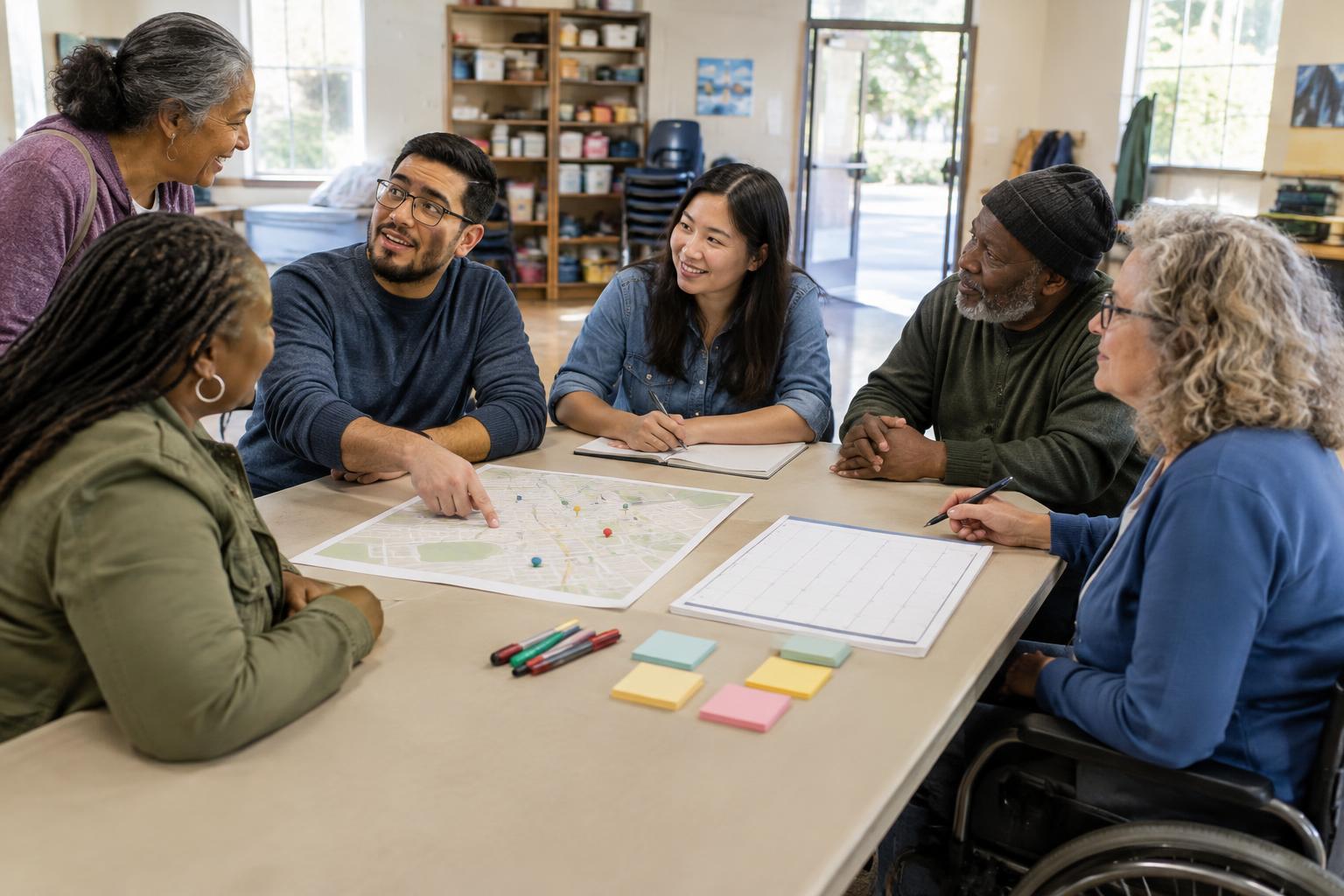
Once a shared need becomes clearer, turn it into one specific first action. Instead of “make the neighborhood more connected,” try “host a one-hour welcome table at the community center” or “invite neighbors to help map places where it is comfortable to sit and talk.” A first step should be possible with the people, time, space and materials you already have. It is a chance to learn together, not a promise to solve everything.
Write down what will happen, who will do each task, and what would count as a useful outcome. An outcome could be learning which meeting times suit people, collecting ideas for future activities, or helping a few neighbors meet. Keep the plan flexible. If someone points out a barrier, changing the plan is a sign that the project is responding to its community, not that it has failed.
Invite people in more than one way
An open invitation is not always an accessible one. Use clear language to explain what the activity is, where it will happen, how long it will last, whether it costs anything, and what participants will be asked to do. If you know details about step-free access, seating, toilets or noise levels, include them. If you do not know, say whom people can contact with questions rather than guessing. Give people a way to share access needs privately without making that a condition of joining.
Offer different levels of involvement. Some neighbors may want to organize; others may be able to lend a chair, pass along an invitation, offer an idea by message, or attend for ten minutes. Avoid making public speaking or a long meeting the only ways to contribute. Share invitations through more than one familiar channel when possible, and ask local groups before posting in their spaces. A personal invitation can help, provided people feel free to decline.
Share the work and set a welcoming tone
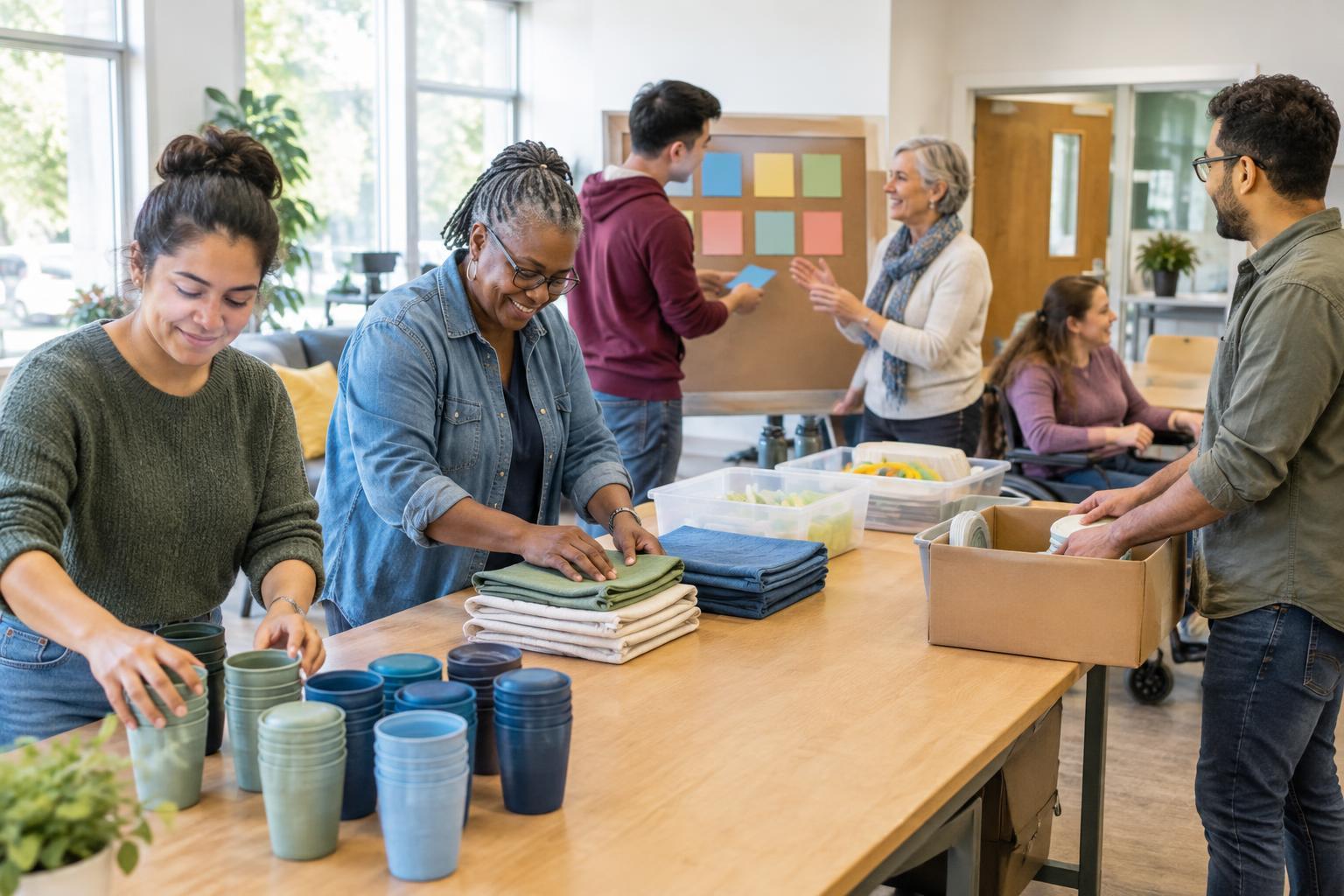
Even a small project benefits from clear roles. One person might confirm the space, another prepare a short invitation, and another welcome people on the day. Share essential information so the plan does not depend on one person being available. If money or donated materials are involved, agree in advance how decisions will be made and keep a simple record everyone involved can understand.
At the activity, make it easy for newcomers to find their bearings. A clear sign, a brief explanation of what is happening, and an introduction to someone they can ask for help can reduce uncertainty. Let people know they may participate at their own pace. If conversation is part of the project, leave room for quieter contributions and avoid pressing anyone to speak for an entire culture, age group or neighborhood. Welcoming people means making space for their choices, including the choice to observe.
Learn from the first step before growing
After the activity, ask a few straightforward questions: What was useful? What was difficult to join? What should we keep, change or stop? Offer more than one way to respond, such as a short conversation or a written message. Notice whose feedback you have not heard, without assuming silence means satisfaction. Thank people for their time, especially those who helped identify problems.
Then decide on one next step that matches what you learned. You might repeat the activity at a different time, change the location, invite another group into the planning, or pause while you work out an access issue. Share a brief update with participants so they know how their input affected the plan. A community project grows through trust and follow-through, not just attendance. Starting small gives people a practical way to build both.