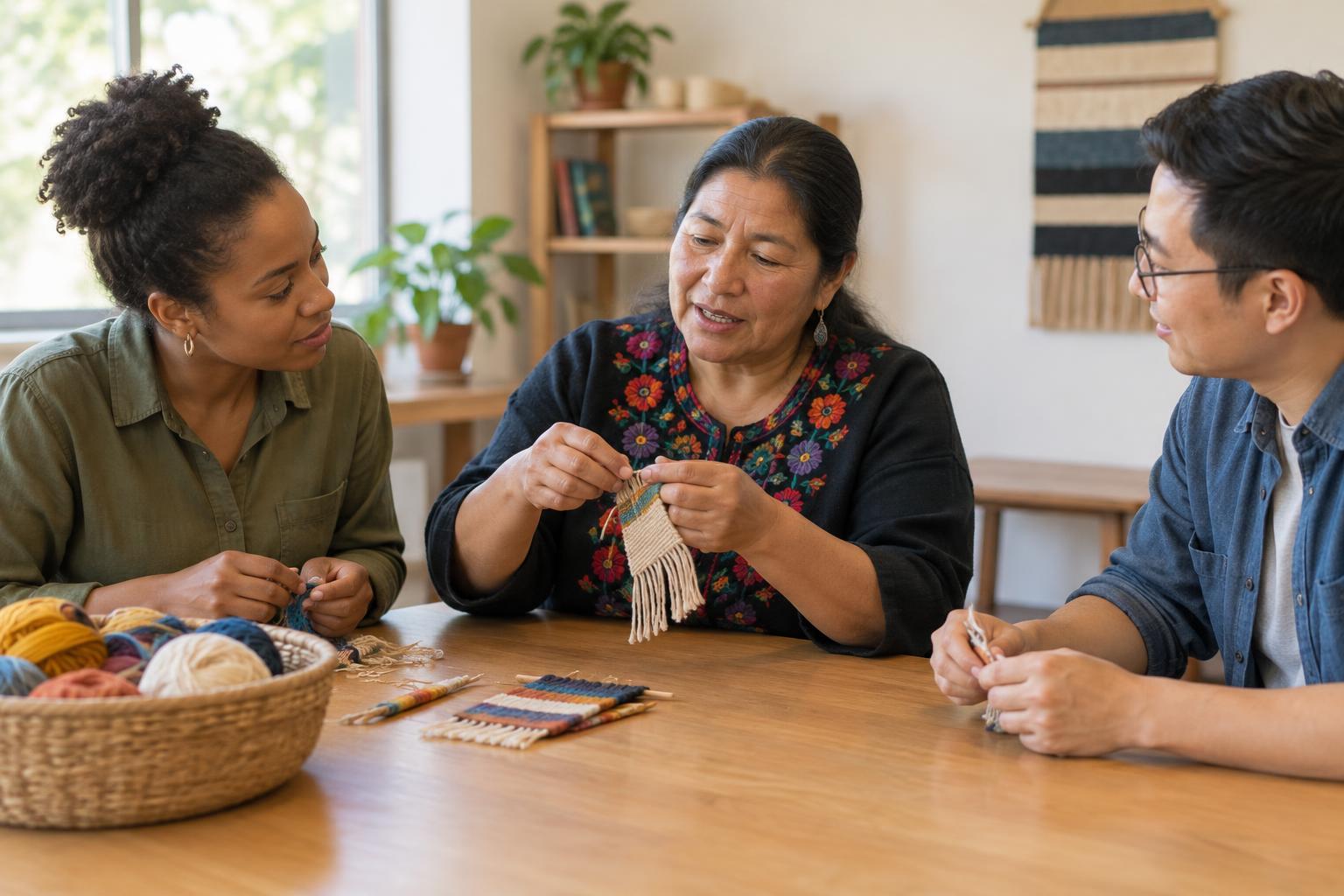
Start with curiosity, not a shortcut
Meeting someone from a culture you know little about can spark genuine curiosity. The mistake is to turn that person into an all-purpose guide. No one can explain every family tradition, belief, language choice or social norm within a community. Even people who share a heritage may have different experiences because of where they grew up, their generation, religion, disability, class or personal preferences.
A useful shift is to think of each account as one perspective rather than the answer. If someone tells you how their family celebrates a holiday, you have learned something about their family. You have not necessarily learned what everyone from their background does. This distinction lets you appreciate a conversation without placing an unfair burden on the person speaking.
Choose a range of voices and formats
Begin with material people have chosen to share publicly: books, essays, interviews, films, community events and creative work. Look for voices from within the culture, and notice whether you keep encountering the same type of speaker. A collection of accounts from different ages, regions and walks of life may offer a fuller picture than several sources with similar experiences.
Formats matter, too. A personal essay can show how one person makes sense of their life; a recipe can carry a family story; a novel can explore possibilities without claiming to document a whole community. Treat each on its own terms. Pay attention to who created or organized what you are reading or watching, and distinguish someone's firsthand experience from their interpretation of other people's lives.
You do not need to gather an exhaustive reading list before joining a conversation or attending an event. The goal is to build a habit of looking beyond the first explanation you hear, especially when it sounds unusually simple.
Listen for differences without turning them into a test
When accounts differ, resist the urge to decide which speaker is the authentic one. Differences may reflect family habits, migration histories, local customs or individual choices. Two people can disagree about what a tradition means and both be describing their own experience honestly. Ask yourself what context might help you understand each account instead of using one to dismiss the other.
Be wary of statements framed as rules for an entire group, including your own summaries. Phrases such as “some people I’ve heard from” or “in this family’s experience” leave room for variation. They also make it easier to update your understanding later. Learning is not a matter of collecting fixed traits and attaching them to everyone you meet.
This approach is useful in everyday settings. If you are planning a shared meal, for example, broad assumptions about what a guest eats are less helpful than asking guests about their own needs and preferences. Cultural awareness can guide you to ask considerate questions; it should not replace the answers people give.
Ask questions without assigning someone a job
People may enjoy sharing parts of their background, but they should be free to decline. Before asking a personal question, consider your relationship, the setting and whether you could learn the basics on your own. “Would you be comfortable telling me about your experience?” gives someone more choice than “What does your culture think about this?” Avoid pressing for private family stories or asking someone to settle a disagreement on behalf of a whole community.
If you are organizing a workplace session or community project and need someone's sustained input, treat that as work rather than a casual favor. Explain what you are asking for, how their contribution will be used and what choices they have about participating. For paid projects, plan appropriate compensation rather than assuming people will provide teaching for free.
Put what you learn into practice, then keep learning
Learning from multiple voices should change how you act, not just what you know. You might check whether an event schedule leaves room for different observances, offer food options without guessing who needs them, or invite feedback on a community activity through more than one channel. These steps make participation easier while allowing individuals to state what works for them.
Expect your understanding to remain unfinished. If you make an assumption and someone corrects it, thank them and adjust without asking them to reassure you. Return to the voices you have sought out, make space for new ones and stay open to experiences that complicate your first impression. Respectful curiosity does not require knowing everything about a culture; it requires remembering that no single person does.