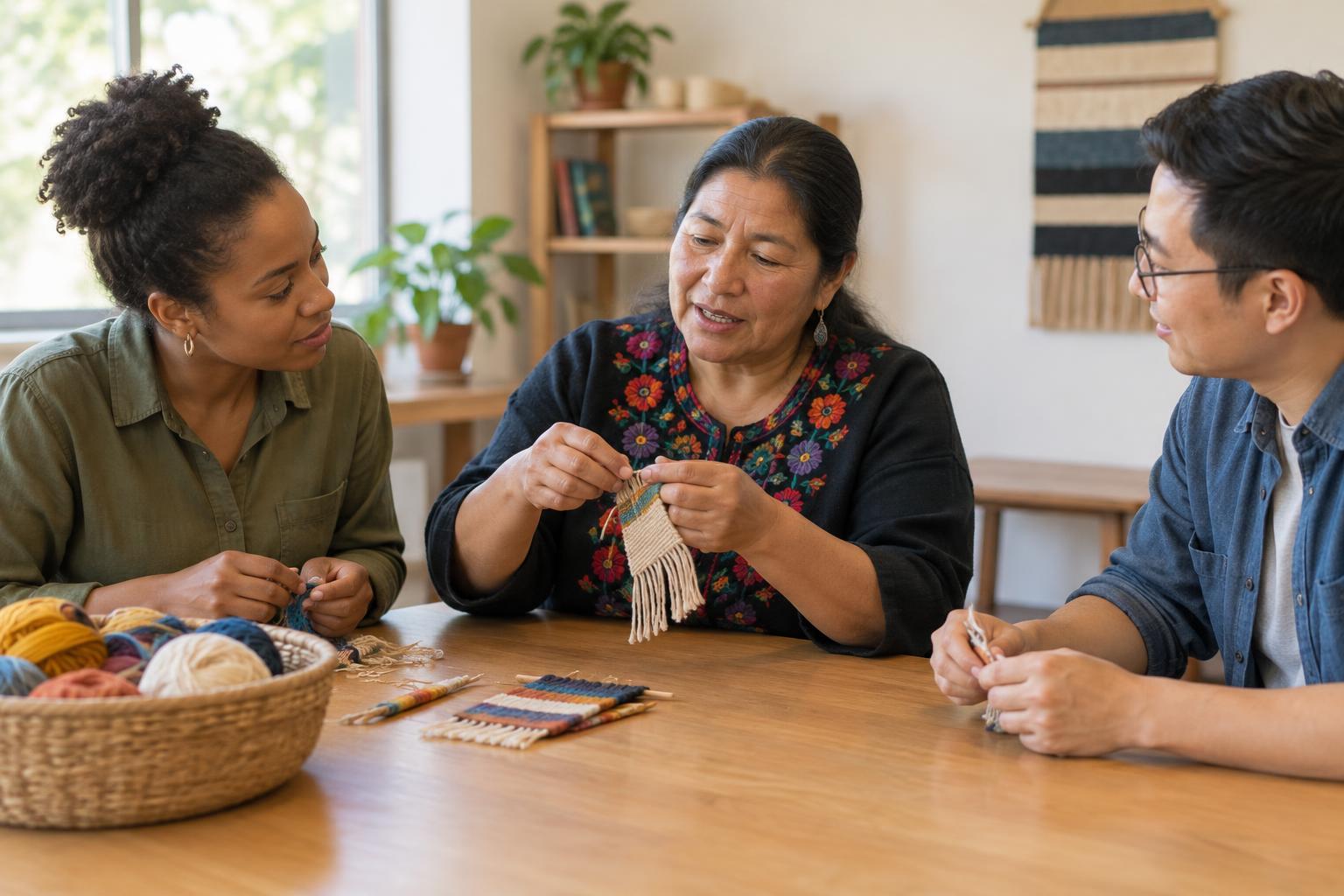
Start with curiosity, not a verdict
Cultural exchange is part of everyday life. People share meals, music, clothing, language and celebrations across families and communities. Appreciation can begin with that exchange: learning the context of a practice, treating it with care and recognizing the people who keep it alive. Appropriation is a concern when someone takes an element out of context, presents it as their own or gains attention or money from it while the people associated with it are dismissed.
There is no single rule that covers every tradition or every community. A public festival may welcome visitors; a family ritual may not. People within the same culture may also disagree about what they want to share. Rather than asking only, “Am I allowed to do this?”, ask what your participation will mean to the people involved and what choices you have.
What does this tradition mean, and how did I learn about it?
Before wearing a garment, preparing a ceremonial dish or using a symbol, learn whether it has a particular purpose. Is it connected to a religious practice, a rite of passage, a community role or a history of exclusion? An everyday item sold for general use calls for a different approach from something reserved for specific occasions or people. If you cannot tell the difference, pause and learn more before putting it on display.
Pay attention to where your understanding comes from. A costume listing or a short social-media clip may show how something looks without explaining its meaning. Seek explanations shared by people connected to the tradition, and notice whether they describe an open invitation or boundaries around its use. You do not need to master a culture to enjoy learning about it, but you should avoid treating one attractive detail as the whole story.
Who invited me, and what kind of participation is welcome?
An invitation helps make participation more considerate, but it is worth listening to its details. A neighbor might welcome you to watch a dance, share a meal or learn a few steps. That does not necessarily mean it is appropriate to copy ceremonial clothing for a party or to teach the dance as though you represent its community. Follow the hosts’ lead about photographs, dress and which parts of an event are open to guests.
When there is no clear host, choose a lower-impact way to engage. You might attend a public performance, buy a book by a cultural practitioner or ask a shopkeeper how an item is meant to be used. Avoid making one person responsible for explaining an entire culture, especially when they did not offer. A respectful question leaves room for “I’d rather not explain that” as an answer.
Am I giving credit and sharing benefits?
Consider what happens when you take a tradition into your home, workplace or online presence. If you share a recipe you learned from someone, name the person or community when appropriate instead of calling it your invention. If you are planning a paid workshop or selling a design based on a cultural practice, ask whether you have the knowledge and relationships to do that responsibly. Buying directly from makers connected to the tradition may be a better choice than purchasing a lookalike.
Credit is not just a label. It also means making space for people to speak for themselves. At work, for example, an event about a cultural celebration can center willing community members or knowledgeable practitioners rather than asking an employee to perform their identity for colleagues. Participation should be optional, and the people contributing time and expertise should be acknowledged and, where relevant, compensated.
What will I do if someone objects?
Good intentions do not guarantee a good impact. If someone tells you that your use of an item or practice feels disrespectful, listen before defending your motives. You can ask what you have misunderstood if they are willing to explain, thank them and consider changing course. One person’s view may not represent everyone’s, but discomfort is still information worth taking seriously.
You can also make thoughtful choices without waiting to be corrected. Enjoy food without claiming to have improved it beyond recognition. Join a celebration as a guest without turning its sacred elements into decoration. Learn an art form from people who teach it and be clear about your level of knowledge. The aim is not to avoid other cultures; it is to build relationships in which interest comes with humility, context and respect.