Start with a simple purpose
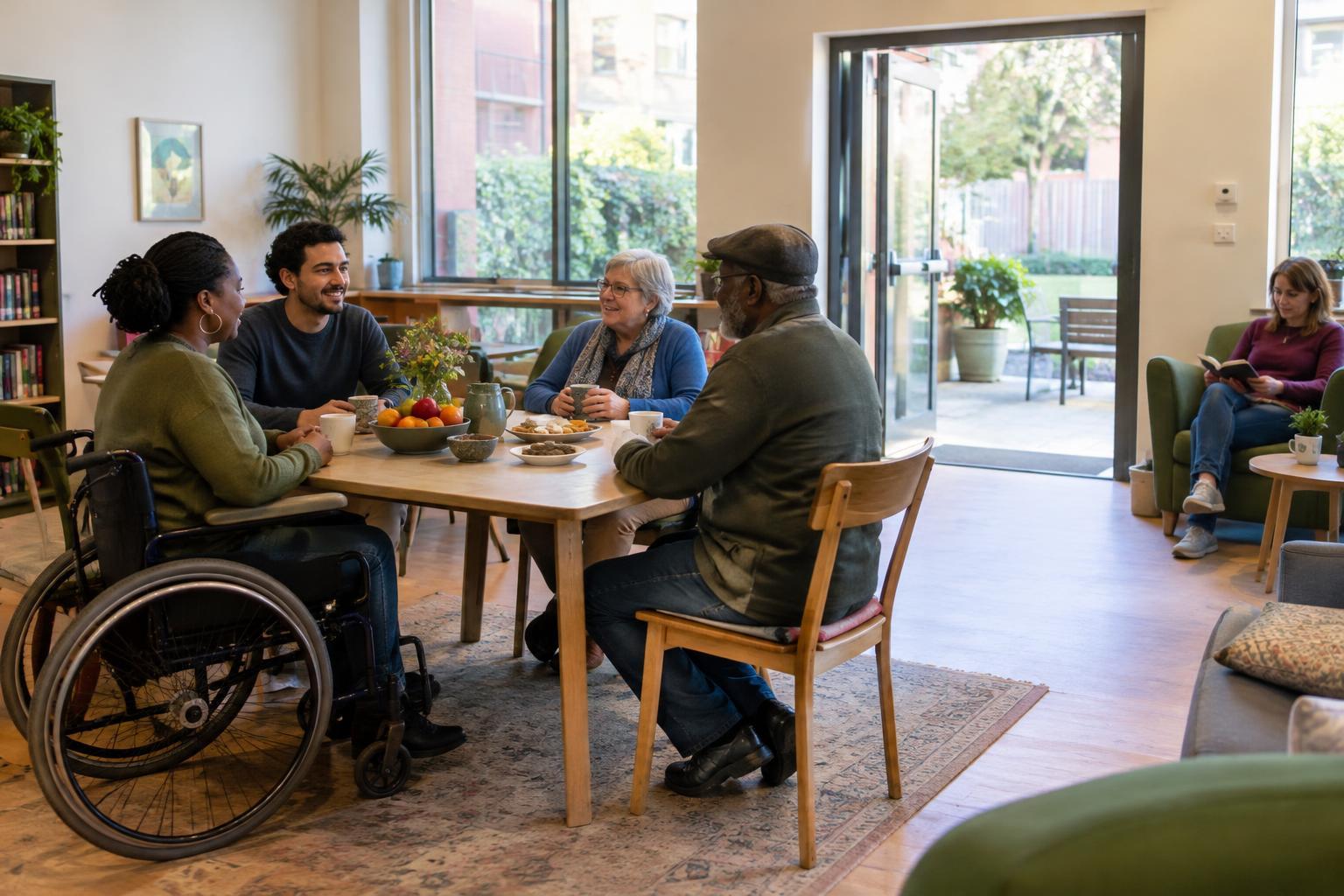
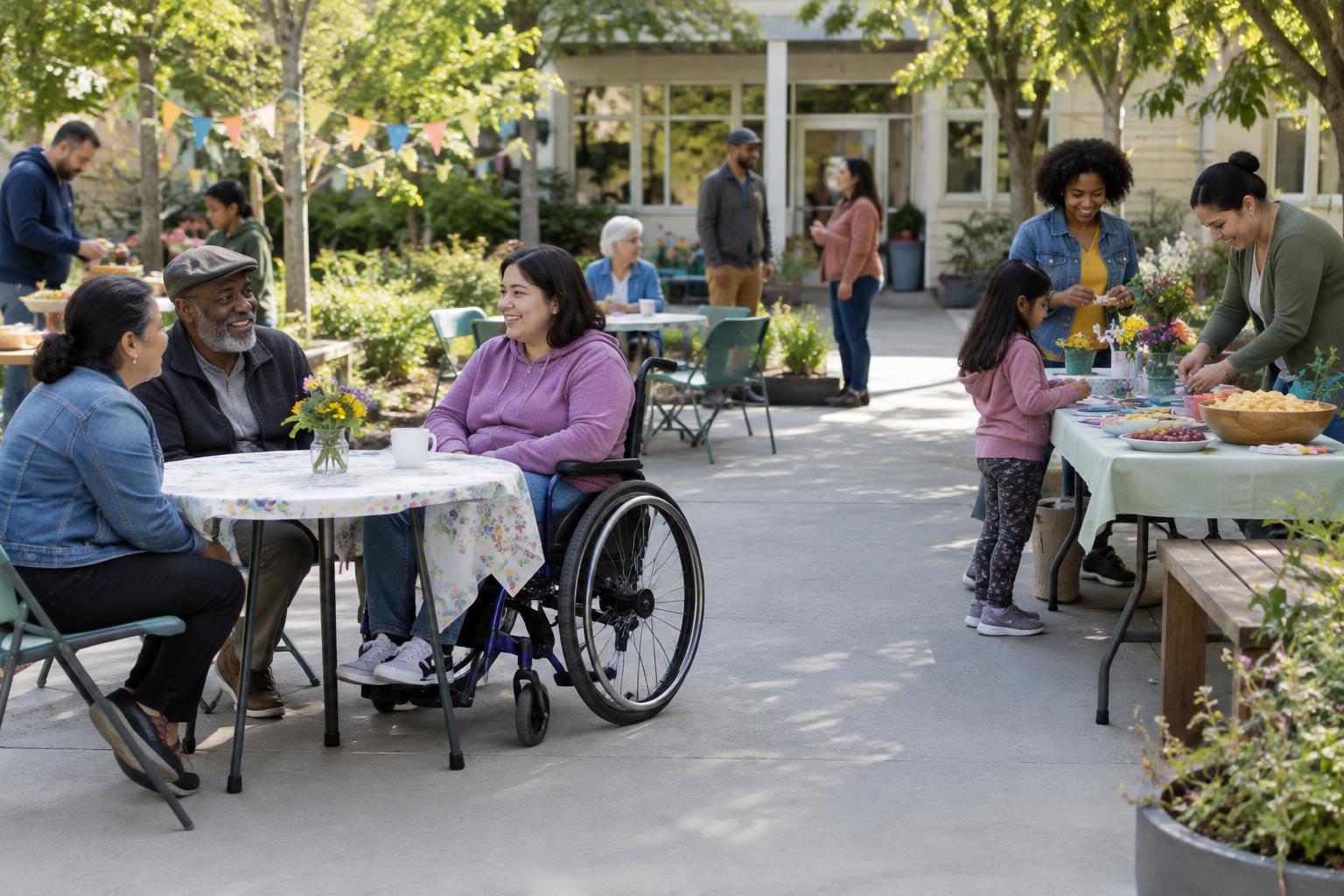
Before booking a space or buying supplies, decide what you want people to do together. A neighborhood gathering might help residents meet, share skills or enjoy a common space. Keeping the purpose simple makes it easier to choose activities that do not require special equipment, advance preparation or a purchase. A shared walk, casual game afternoon, repair demonstration or community art table can leave room for conversation without asking every guest to perform or contribute.
Think about the costs people may face beyond admission. Travel, childcare, food and time away from work can all affect whether someone can attend. You may not be able to remove every barrier, but naming the likely ones helps you make useful choices. A free event close to public transport, held at a convenient time and lasting only a couple of hours may be easier to join than an all-day gathering with a complicated schedule.
Make the price clear and participation flexible
If the event is free, say so plainly in the invitation. If you need contributions to cover costs, explain what they support and offer a way to attend without paying when possible. Avoid putting guests on the spot at the door. A clearly labeled, optional donation box or a private way to contribute can help people give what they can without making anyone's budget public. Check that any suggested contribution will not be mistaken for an entry fee.
Offer several ways to take part that cost little or nothing. Someone might bring a board game, share a story, help set out chairs or simply come and listen. None of those roles should be a condition of welcome. If an activity uses materials, provide a basic shared set rather than asking every person to buy their own. When supplies are limited, let people know in advance and consider activities that work just as well without them.
Choose a space people can use
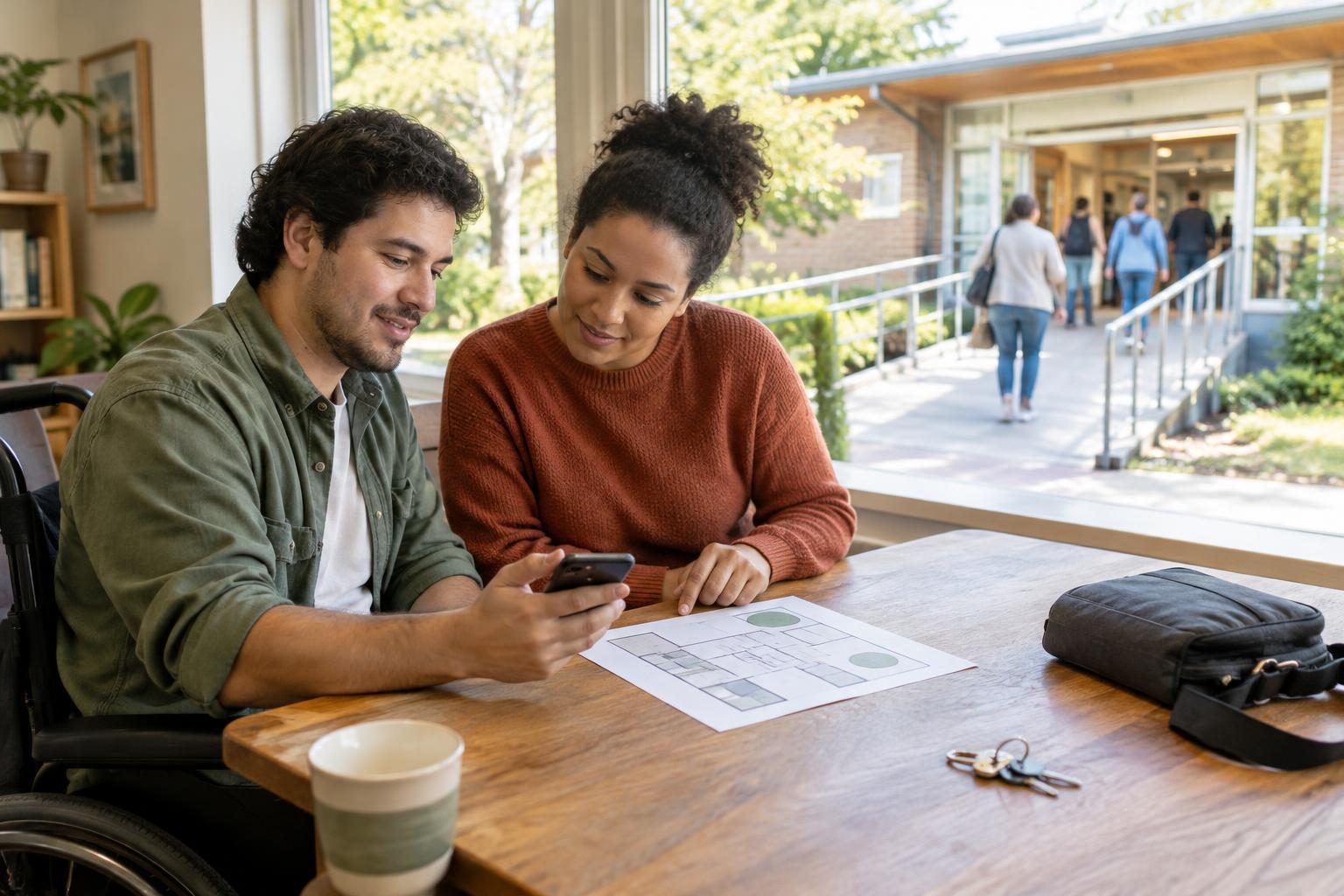
A low-cost venue is only helpful if people can reach and use it. Before confirming a library room, community hall, park shelter or other space, check the route from the entrance to the gathering area. Look for step-free access, usable toilets, places to sit, room to move between tables and somewhere to step away from noise. If an important feature is missing, consider another venue or describe the limitation clearly so guests can decide what works for them.
Keep the layout easy to understand. Signs at the entrance can show where to find activities, toilets and a quieter area. Leave clear paths rather than filling every corner with furniture. Outdoors, have a realistic plan for rain or heat and explain it in the invitation. If you are unsure what people need, ask through a simple contact option before the event, while avoiding the assumption that any one arrangement will suit everyone.
Invite people without making assumptions
A useful invitation answers basic questions: what will happen, where and when it will happen, whether it costs anything, and how to get there. Mention seating, food, accessibility features and any activities that require advance sign-up. Use direct language and share the invitation in more than one way, such as a noticeboard, a community group and personal invitations. That gives people who use different channels a better chance of hearing about it.
Make it clear that arriving late, leaving early or attending alone is fine. These small reassurances can matter to someone who is new to the area or unsure whether they will know anyone. If food is available, describe it rather than promising that it suits every dietary need. A contact person who can answer questions privately is often more helpful than a long list of claims that may not match a guest's experience.
Share the work and learn for next time
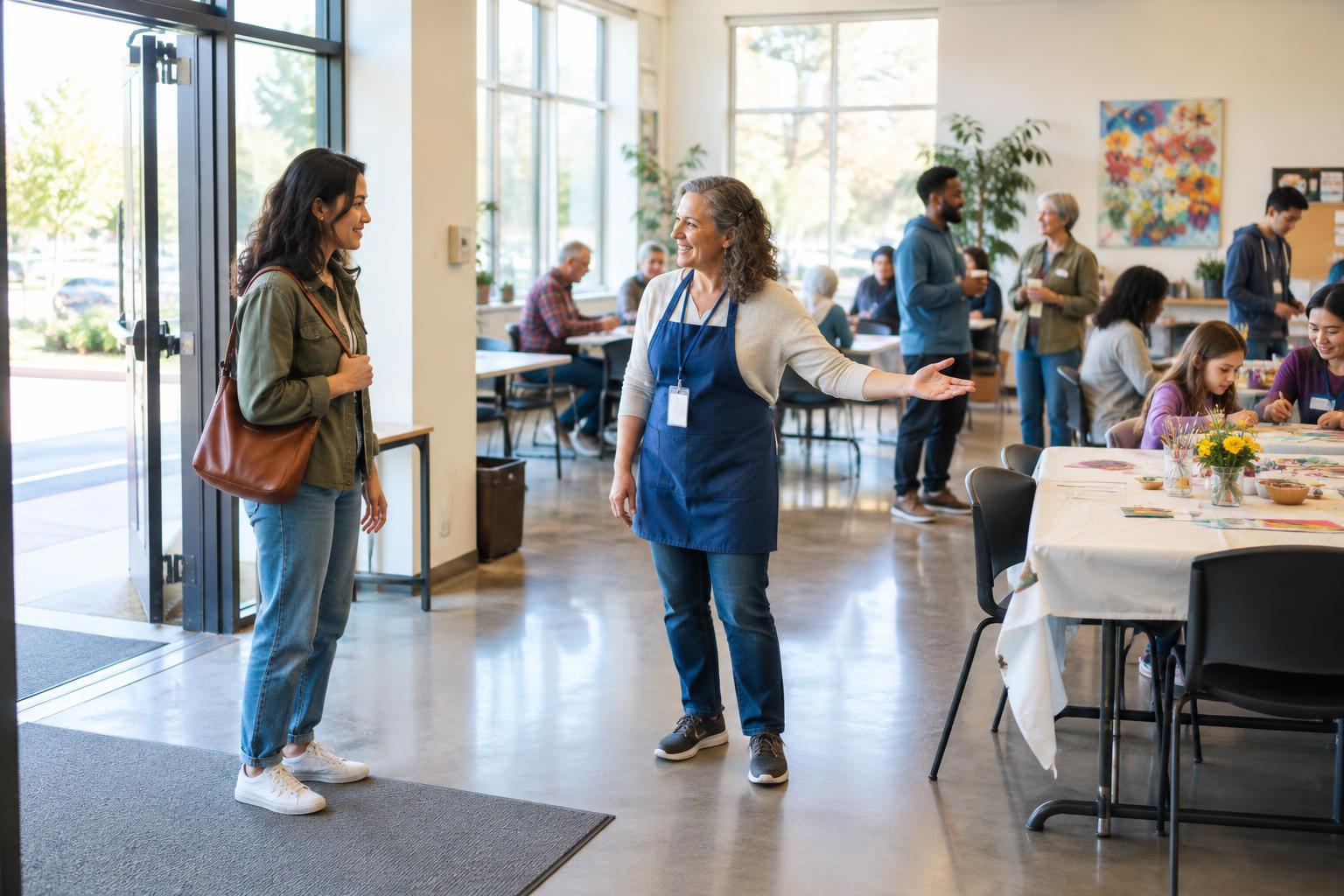
Keep organizing tasks small enough for volunteers to manage. One person might welcome arrivals, another might check supplies and another might watch for blocked paths or an activity that needs a quieter spot. Give volunteers clear tasks, but leave room for them to say no. If local groups offer to help, agree in advance what each group will provide so the event does not depend on last-minute spending or unpaid work that no one planned for.
Afterward, ask what made participation easy and what got in the way. A short conversation or optional feedback note can reveal practical improvements, such as a clearer entrance sign or a better event time. Thank people for attending as well as for helping. The measure of a welcoming event is not how much each person spent or did; it is whether people had a genuine opportunity to join in on terms that worked for them.