Start with the sounds people need to hear
A lively room can make conversation tiring even when nobody is speaking loudly. Sound reflects from hard floors, bare walls, windows and ceilings, so words may overlap with their own echoes and with other activity. For someone trying to follow a meeting, work at a desk or enjoy a meal, the difficulty is often not sound alone but the effort of picking out what matters.
Before buying materials, spend time in the room during its usual activities. Notice where speech becomes hard to follow, where chairs scrape, and whether a quiet task sits beside a noisy one. Ask the people who use the space what gets in their way. A room that works well for focused work may need a different balance from one used for music, play or group discussion.
Understand what soft materials can and cannot do
Acoustic materials generally help in two different ways. Absorptive surfaces reduce sound reflections within a room, making speech less muddled. Dense construction and well-sealed openings help limit sound passing between rooms. A fabric wall panel may improve the sound inside a meeting room without stopping a conversation from being heard next door.
Start with the surfaces that create a lot of reflection. A rug can soften a hard floor; curtains can add absorption near windows; upholstered seating can help in a lounge or waiting area. Purpose-made acoustic panels, ceiling tiles and movable screens offer options when furnishings are not enough. Check what a product is designed to do rather than assuming that anything labeled “acoustic” will solve every sound problem.
Place materials where they support the activity
Placement matters as much as quantity. In a room used for conversation, consider treating broad, hard surfaces near seating areas rather than covering one small corner. Ceiling treatments may be useful where floor space must stay clear. In a shared workspace, a screen with an absorptive surface can help define a quieter spot, though it will not create a soundproof booth.
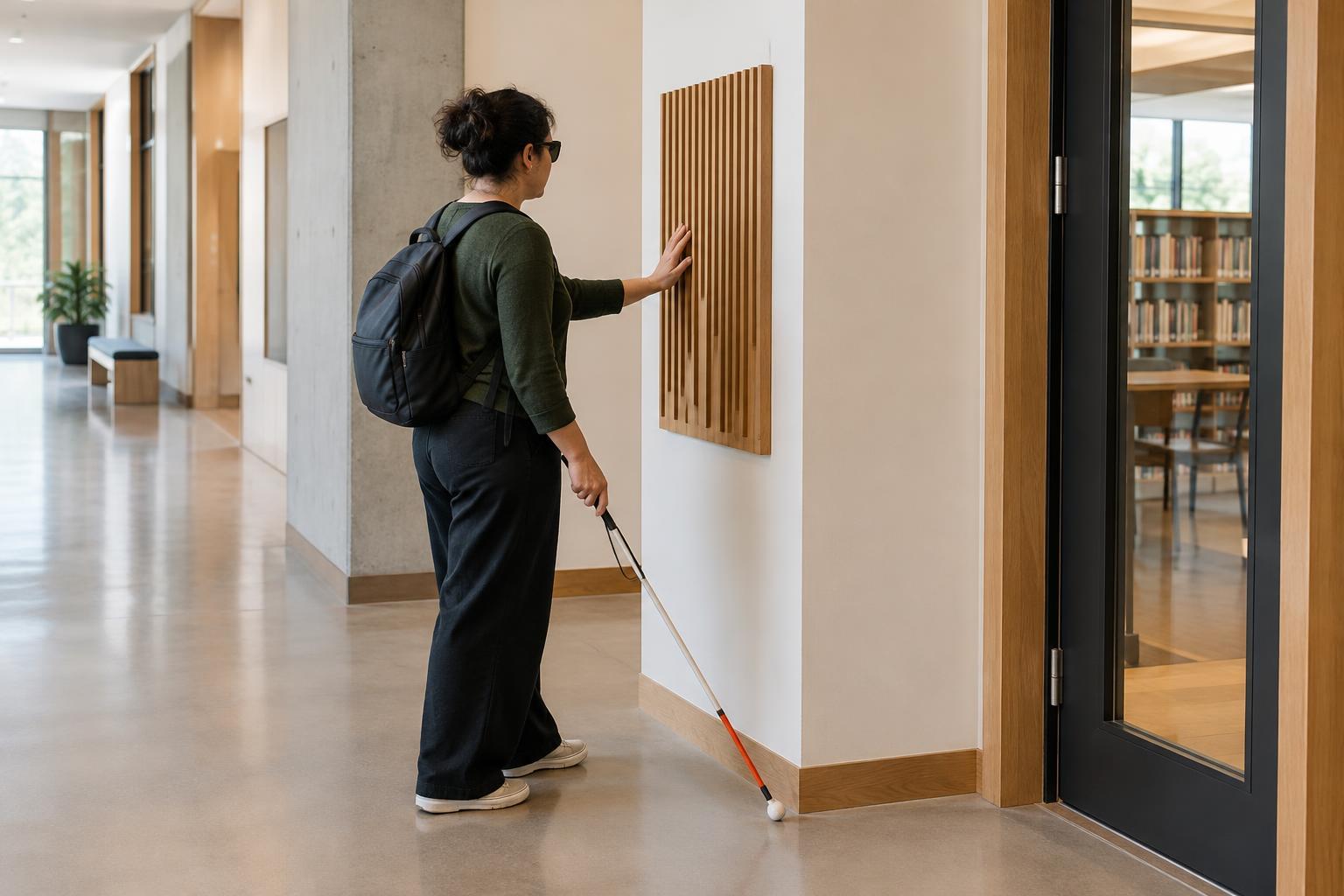
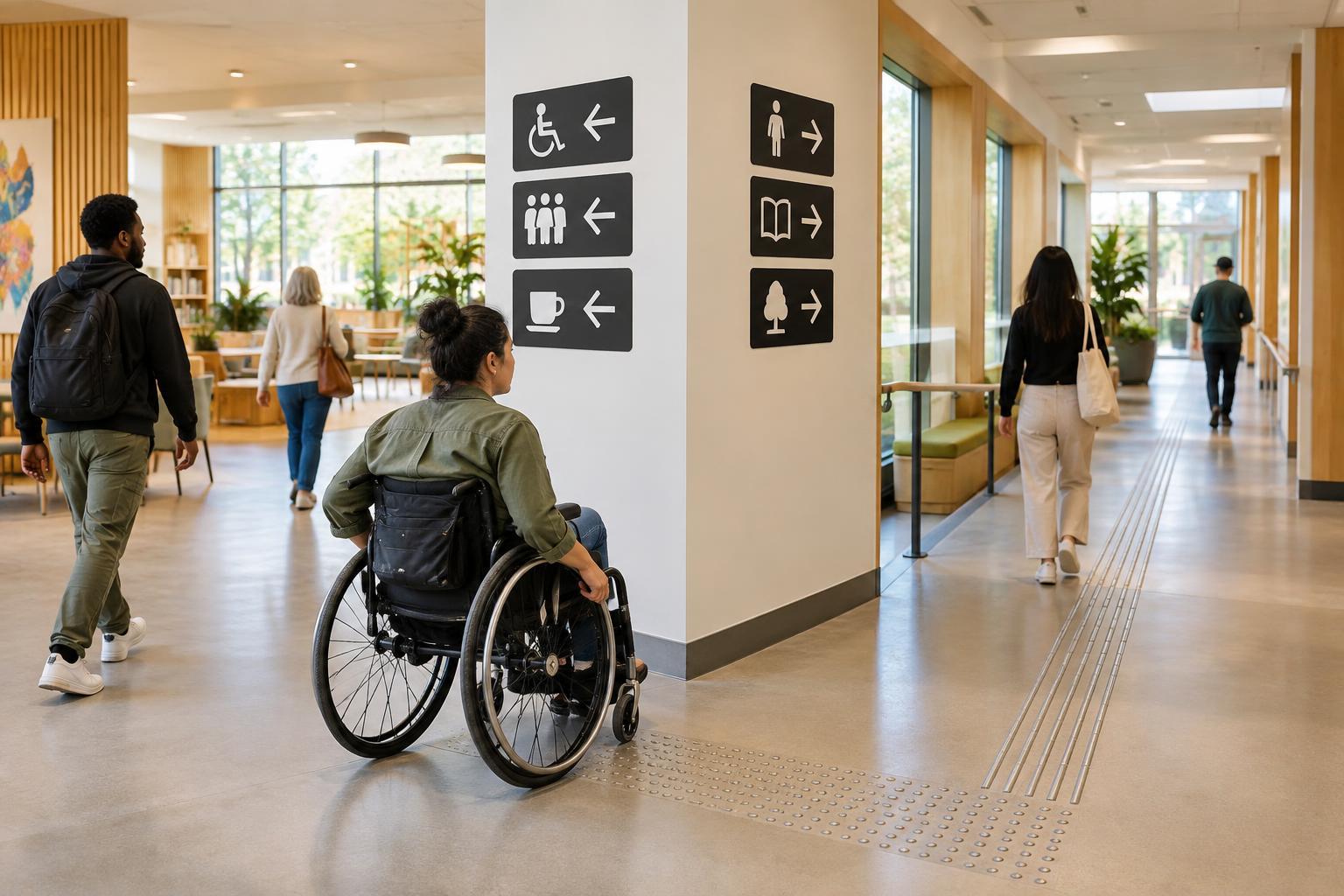
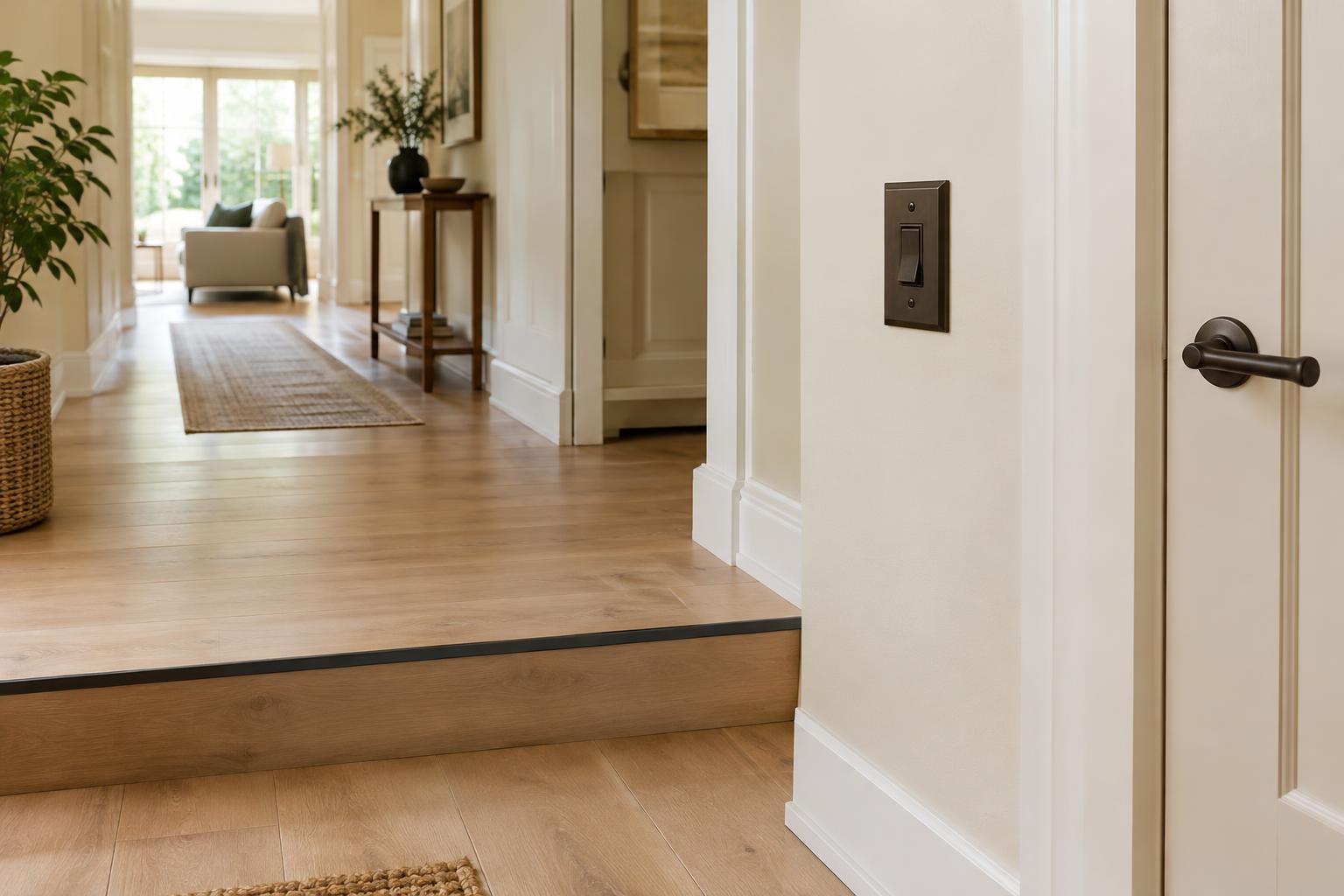
Think about the whole path through the room. Thick rugs can introduce trip hazards or impede wheeled movement if their edges curl or their pile is difficult to cross. Panels should not block signs, switches, sightlines or access to doors. Choose solutions that work alongside lighting, mobility and cleaning needs, so improving hearing does not create a new barrier.
Pair materials with considerate room habits
Materials are most helpful when the room’s layout and routines support them. Move a printer or other noisy equipment away from a table used for discussion. Provide a quieter place for calls when possible. In a meeting space, arrange seats so people can see one another’s faces, and avoid placing the main speaker against a bright window that makes facial cues harder to see.
People have different sound preferences and needs. Some value a calm room for concentration; others need to hear nearby activity or find an overly hushed space uncomfortable. Offer choices where you can, such as seating farther from a busy entrance or a smaller area for conversation. Clear turn-taking and written summaries can also help people participate when sound conditions are less than ideal.
Test small changes before committing
A gradual approach makes it easier to learn what helps. Try movable items first, such as curtains, padded chairs or a temporary screen, then ask users whether conversations feel clearer in their usual seats. Compare the room during more than one activity: a change that helps a one-to-one chat may have little effect during a crowded gathering.
For larger installations, consider durability and upkeep as well as sound. Materials in shared spaces may need to meet building requirements, withstand regular cleaning and remain securely fixed. Keep asking for feedback after changes are made. The aim is not to eliminate every sound, but to create a room where more people can hear what they need, communicate comfortably and choose how they take part.