Start with the part of shopping that is hardest
An easier grocery routine does not have to mean a perfect one. For one person, the challenge is remembering what to buy. For another, it is standing in line, navigating a crowded aisle, reading small labels or carrying bags home. Notice which part of a typical trip takes the most effort, then choose a change that addresses that part first.
It can help to separate grocery shopping into three tasks: deciding what you need, getting the items and bringing them home. You might enjoy choosing produce in person but prefer delivery for heavy staples. Or you might find it easier to order everything online and skip the store. There is no single accessible way to shop; the useful approach is the one that works with your time, energy, budget and preferences.
Make a list you can actually use
A list can reduce decisions in the store, especially when it is organized around how you shop. Try grouping items by department, such as produce, refrigerated foods, pantry goods and household supplies. Keep essentials at the top so that, if you need to leave early, you can focus on what matters most. A paper note, a phone app, a voice note or a shared household list can all work.
Add helpful details only where they prevent confusion: the size of a package, a preferred brand, a dietary requirement or an acceptable substitute. If someone else is shopping for you, clear descriptions are especially useful. For example, “any unsweetened oat drink” gives more flexibility than a brand name alone, while “no substitutions” may be important for an item you rely on.
Consider keeping a short repeat list of things you buy regularly. Check it against what is already at home before each trip. This can be simpler than starting from a blank page, and it leaves room for changes in appetite, plans or household needs.
Choose a calmer in-store visit
If crowds, noise or waiting make shopping difficult, ask a local store whether it offers a designated quieter shopping period. The details can vary: a store may reduce music or announcements, but it may not be silent or less crowded every time. Even without a designated period, you may find that some times suit you better than others. A brief visit to test a different time can tell you more than a general recommendation.
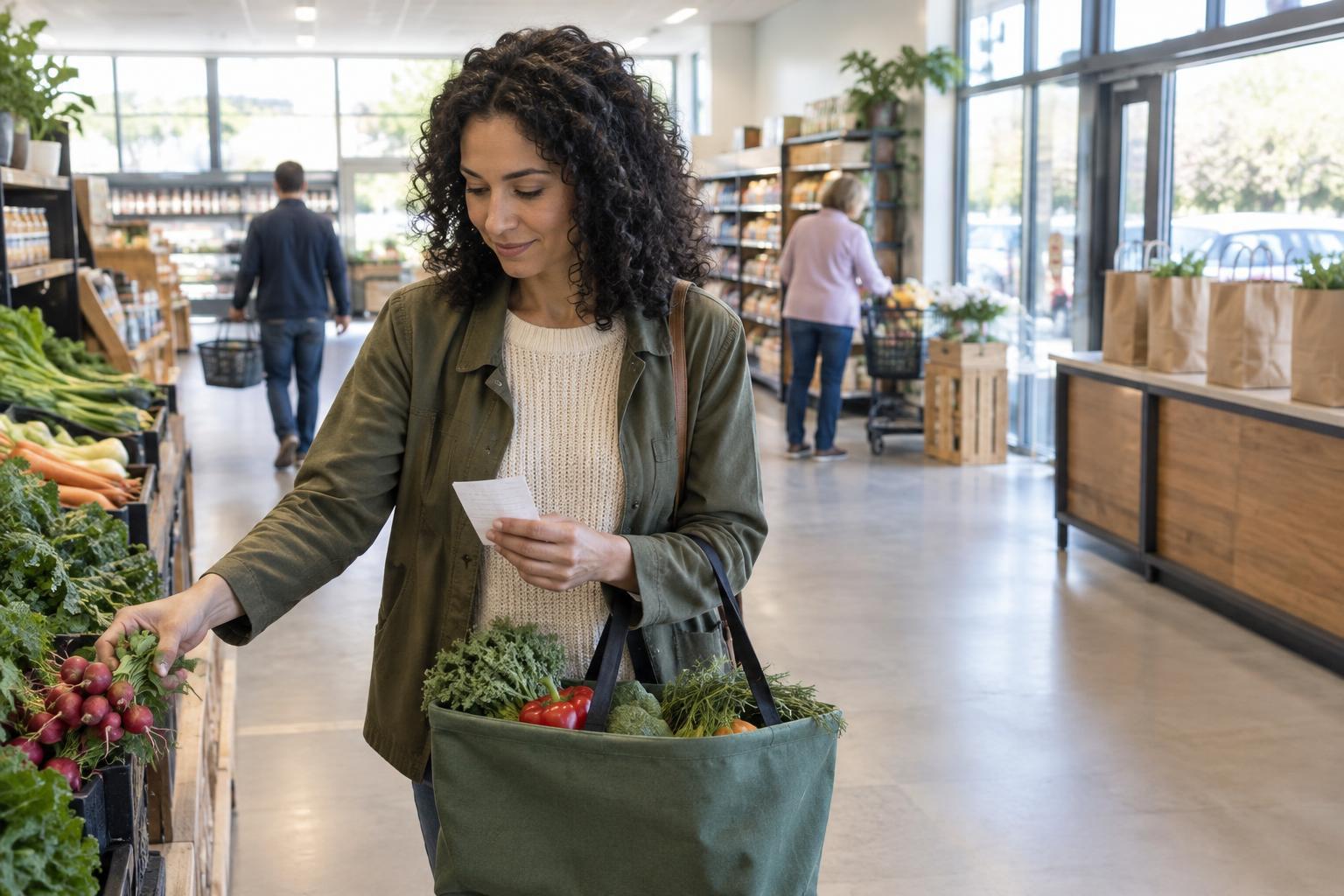
Give yourself a way to keep the trip manageable. A short list may be easier than a full weekly shop. If available, a basket, cart or store map might make moving through the space less demanding. You can also plan a stopping point: buy the essentials first, then decide whether you have the energy to continue. If you need help finding an item or reaching a shelf, asking a staff member is reasonable, though assistance and response times will differ by store.
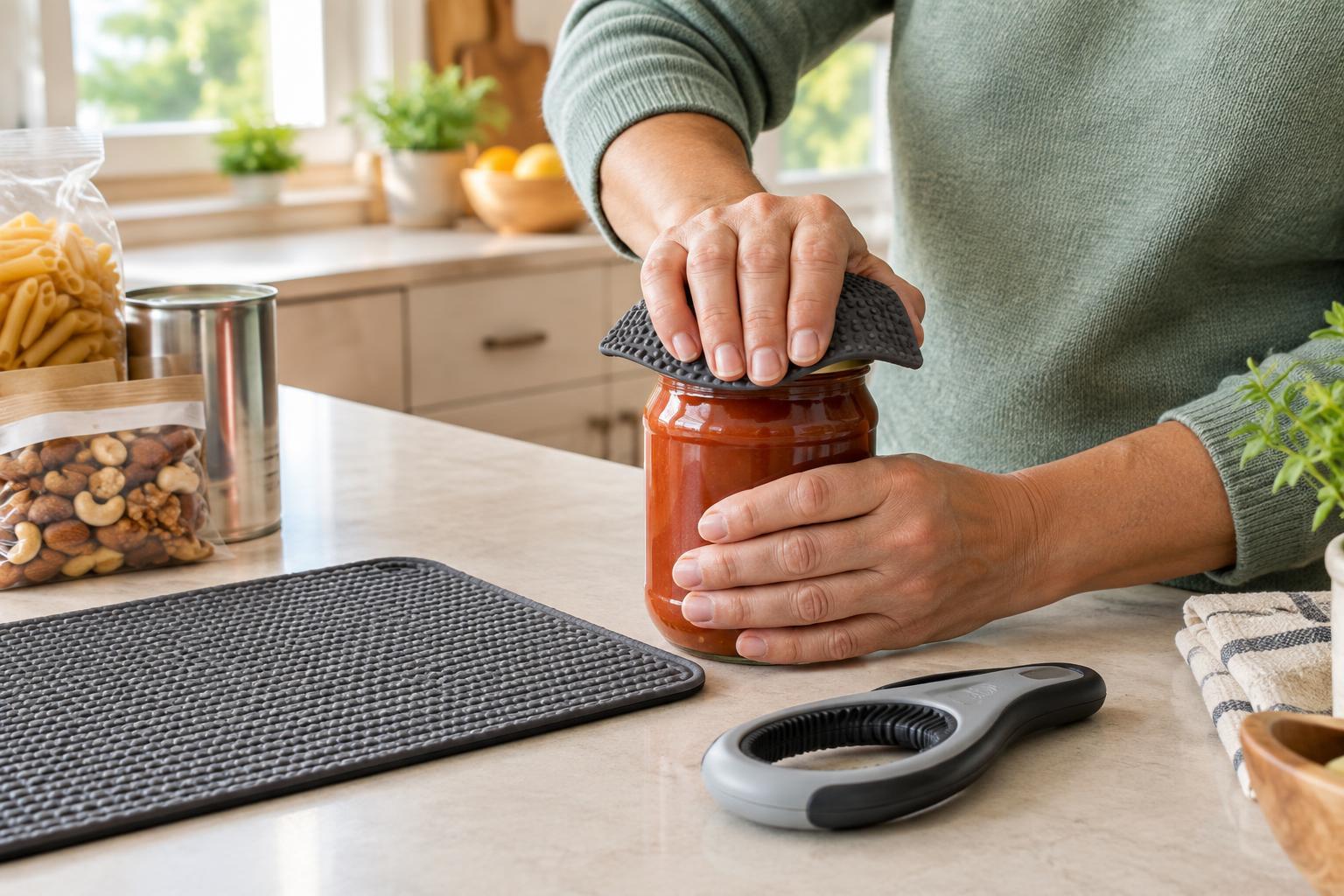
Think about the journey home before filling the cart. Smaller, more frequent purchases may be easier to carry, while combining a few essential items with a delivery order for heavier goods may save effort. Reusable bags that are comfortable to hold, a wheeled shopping trolley or help from someone you trust may also make the final part of the trip easier.
Use pickup or delivery as part of the plan
Pickup and delivery can be useful when travel, carrying bags or the store environment is the main obstacle. Before placing an order, check the available time slots, fees, minimum order, substitution options and where you will need to collect or receive the groceries. If the service allows notes, use them for practical information such as an accessible drop-off point. Avoid relying on a note for an essential requirement unless you can confirm the service will follow it.
Online ordering has its own effort: finding products, checking sizes and reviewing substitutions can take time. Saving a regular order or shopping from a previous list may make repeat purchases easier. When possible, review the final cart for duplicate items, delivery costs and products that may not suit your needs.
A backup plan takes pressure off any one method. If a delivery slot is unavailable, you might place a smaller pickup order, visit the store with an essentials-only list or ask a trusted person to collect a few items. Grocery routines can change from week to week. Lists, calmer visits and delivery are tools to combine as needed, not rules you have to follow every time.