Start with people and the tasks they need to do
When money is limited, it is tempting to begin with a list of products. Begin instead with the people who use the space and what they come to do. Someone might need to enter independently, find a room, follow a conversation, use a shared kitchen, or take part in an activity. Looking at those tasks helps reveal barriers that a shopping list can miss.
Invite observations from people with different experiences, without asking anyone to speak for an entire group. Offer more than one way to respond, such as a conversation, a written note, or an anonymous form. Ask where a task becomes difficult and what would make it easier. If a person shares a need, do not assume the first solution you imagine is the one they want. Confirm it with them before spending money.
Map barriers before ranking solutions
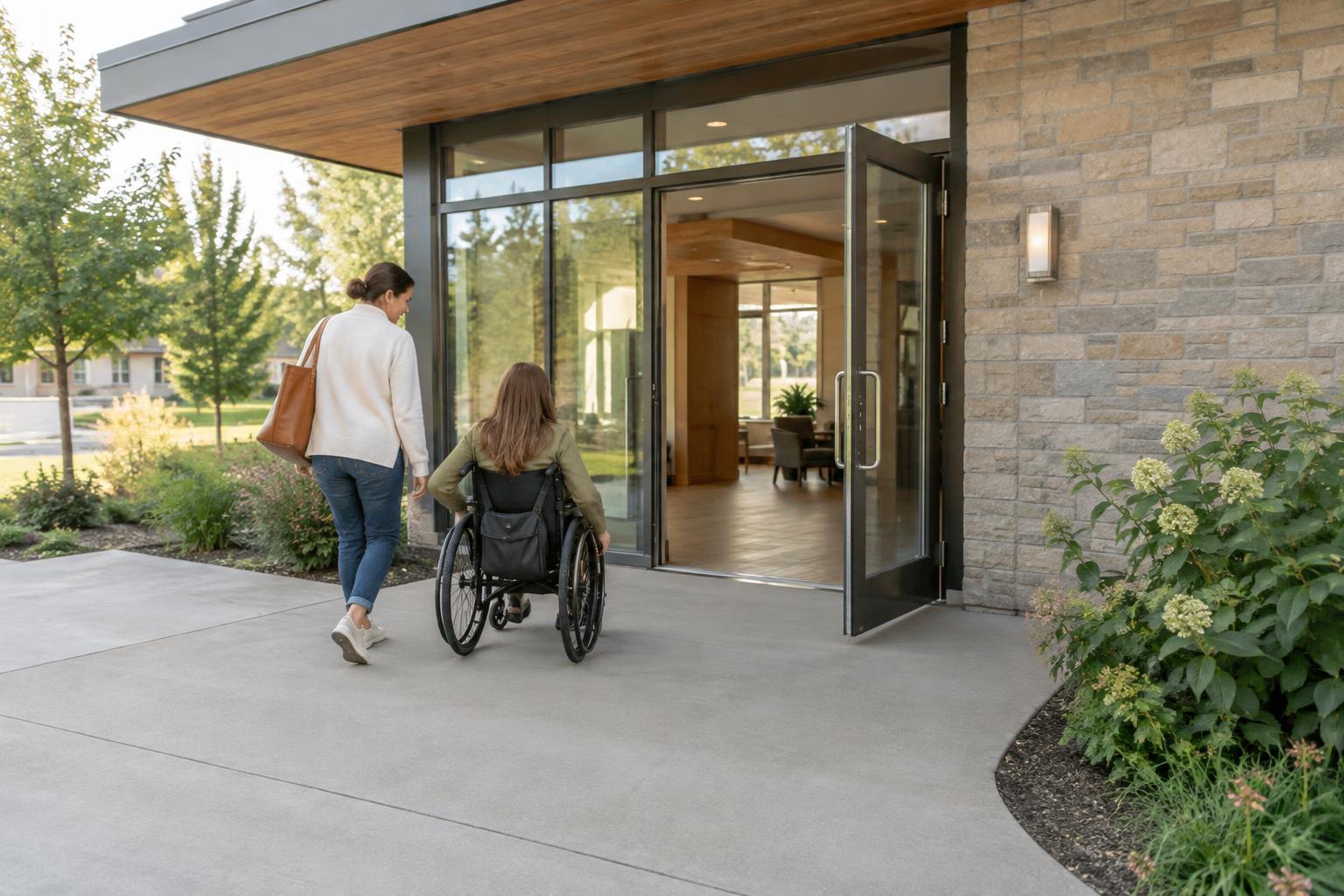
Walk through a typical visit from beginning to end. Consider the invitation or booking process, arrival, entrances, routes, seating, signs, lighting, sound, restrooms, and ways to ask for help. In a workplace, include meetings and digital documents. In a home, consider everyday routines as well as visits from guests. Note what happens at each point rather than labeling a whole space simply “accessible” or “inaccessible.”
Then separate the barrier from a possible fix. “Visitors cannot tell which door to use” describes a barrier; “buy a new sign” is only one possible response. Clear directions sent in advance, a temporary sign, or a change to how doors are used might also help. This distinction leaves room for lower-cost ideas and makes it easier to test whether a change actually solves the problem.
Use a simple priority test
For each barrier, ask four questions: How much does it prevent participation? How often does it occur? Who is affected? What would it take to improve? Give early attention to barriers that keep people from entering, understanding essential information, or using a space with dignity. A modest change that removes a repeated obstacle may be more valuable than an attractive upgrade that few people need.
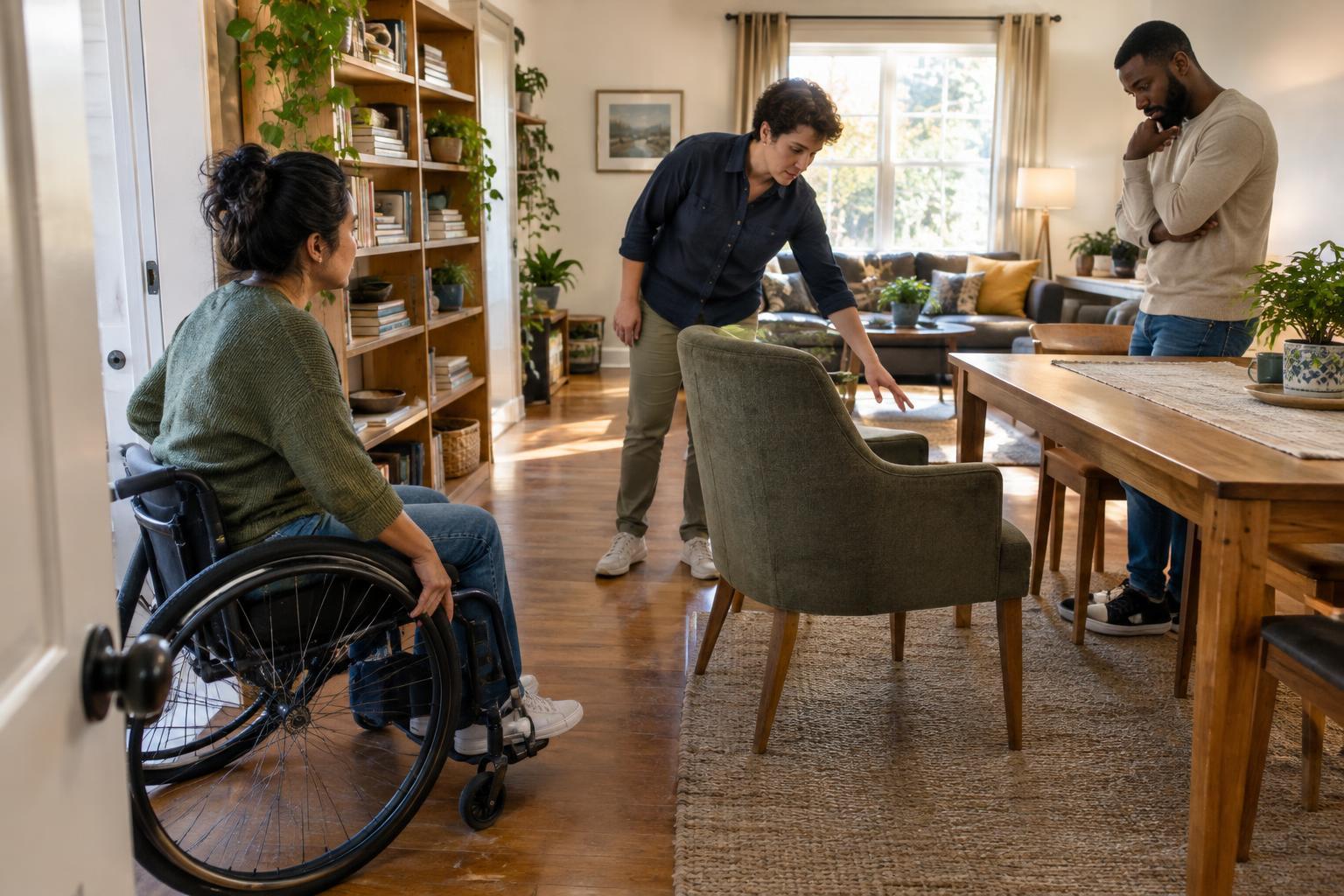
Cost is not just the purchase price. Include installation, staff time, upkeep, storage, and whether the improvement will work consistently. Also consider whether one change could create a new barrier. For example, rearranging furniture might widen a route but make seating harder to find. If an alteration affects a building feature or safety, seek appropriate qualified guidance before making it. Keep uncertain options on the list rather than treating an inexpensive guess as a finished solution.
Make useful low-cost changes while planning larger ones
Some improvements are mainly about habits and organization. Keep routes clear, place frequently used items within easy reach where practical, provide information in plain language, and tell visitors what to expect before they arrive. In meetings, share an agenda ahead of time and make it comfortable for people to request a different way to participate. These steps still require attention, but they may not require major purchases.
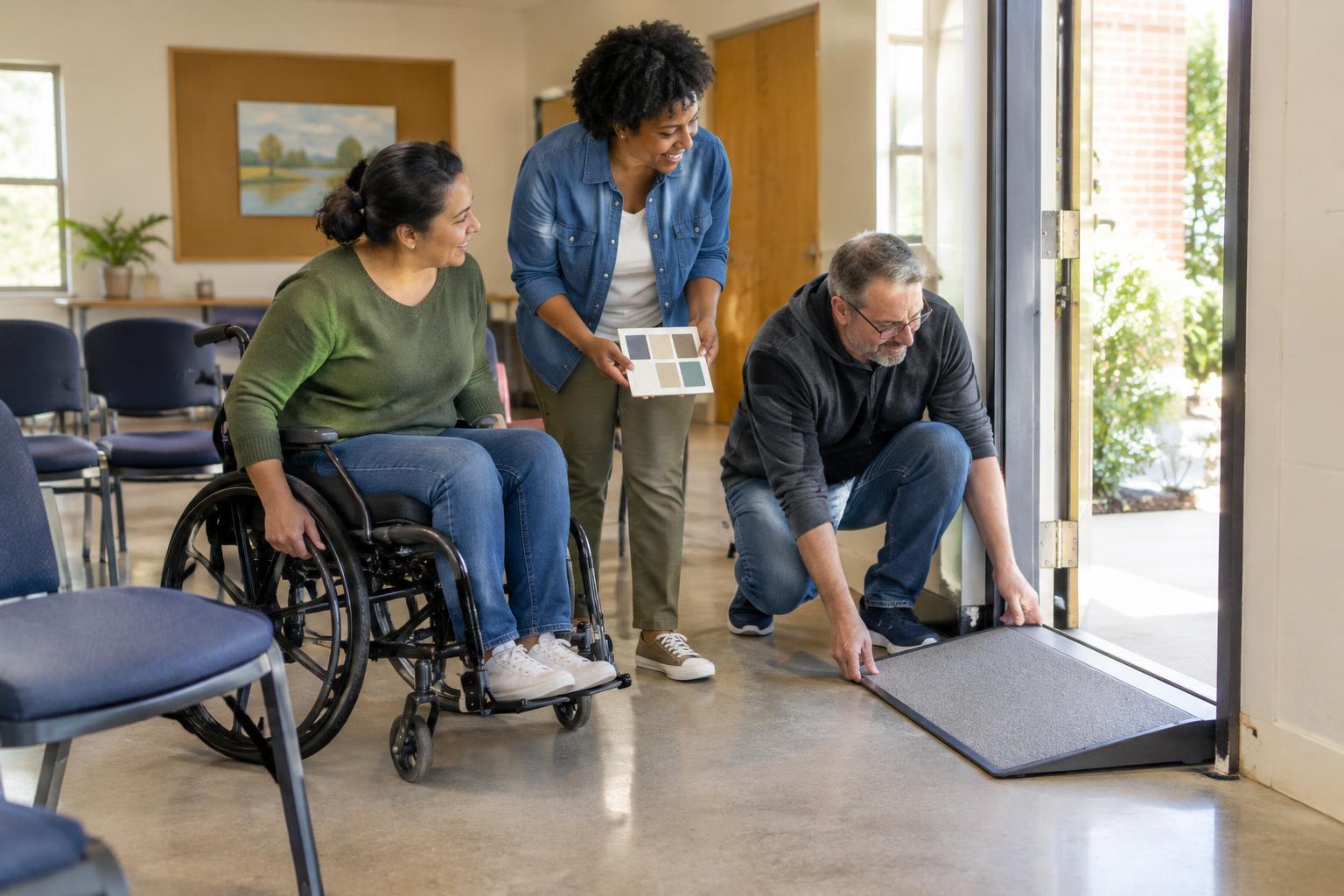
Avoid presenting a temporary workaround as equal to independent access. If the only way to enter is to ask someone to move an obstacle, the obstacle remains. A short-term plan can make a visit easier while a larger change is being arranged, provided people know what to expect and can choose whether it meets their needs. Be clear about what has changed, what has not, and how to request assistance without having to explain personal details publicly.
Set a sequence, then check the results
Divide your plan into changes you can make now, changes that need a modest budget, and larger work that requires planning. Record why each item is in its position, who will take responsibility, and how it will be maintained. This makes the plan easier to revisit when resources become available and prevents small, effective changes from being forgotten.
After a change, observe whether the original task has become easier and ask users for feedback again. A clearer sign may help some visitors but still be difficult to see from the entrance; a quieter meeting room may help conversation but lack flexible seating. Adjust the solution rather than defending the purchase. Inclusive design is not a single finished project. On a limited budget, the strongest approach is a visible cycle of listening, removing barriers, and checking what works.