Start with the task, not an assumption about the person
A barrier is anything about a space, activity or process that makes participation harder than it needs to be. A heavy door can block entry. A meeting held only by phone can exclude someone who needs written information. A complicated sign-up form can make a simple community event difficult to join. Looking for barriers shifts the question from “Who can manage this?” to “How can this work for more people?”
Begin by following the steps a person would take: finding information, arriving, getting inside, understanding what to do, participating and leaving. Notice where the process depends on one ability or one way of communicating. People’s needs vary, and a person may face several kinds of barriers at once. Rather than guessing who needs what, offer clear options and make it easy to request an adjustment without having to explain a private condition.
Notice physical barriers along the whole route
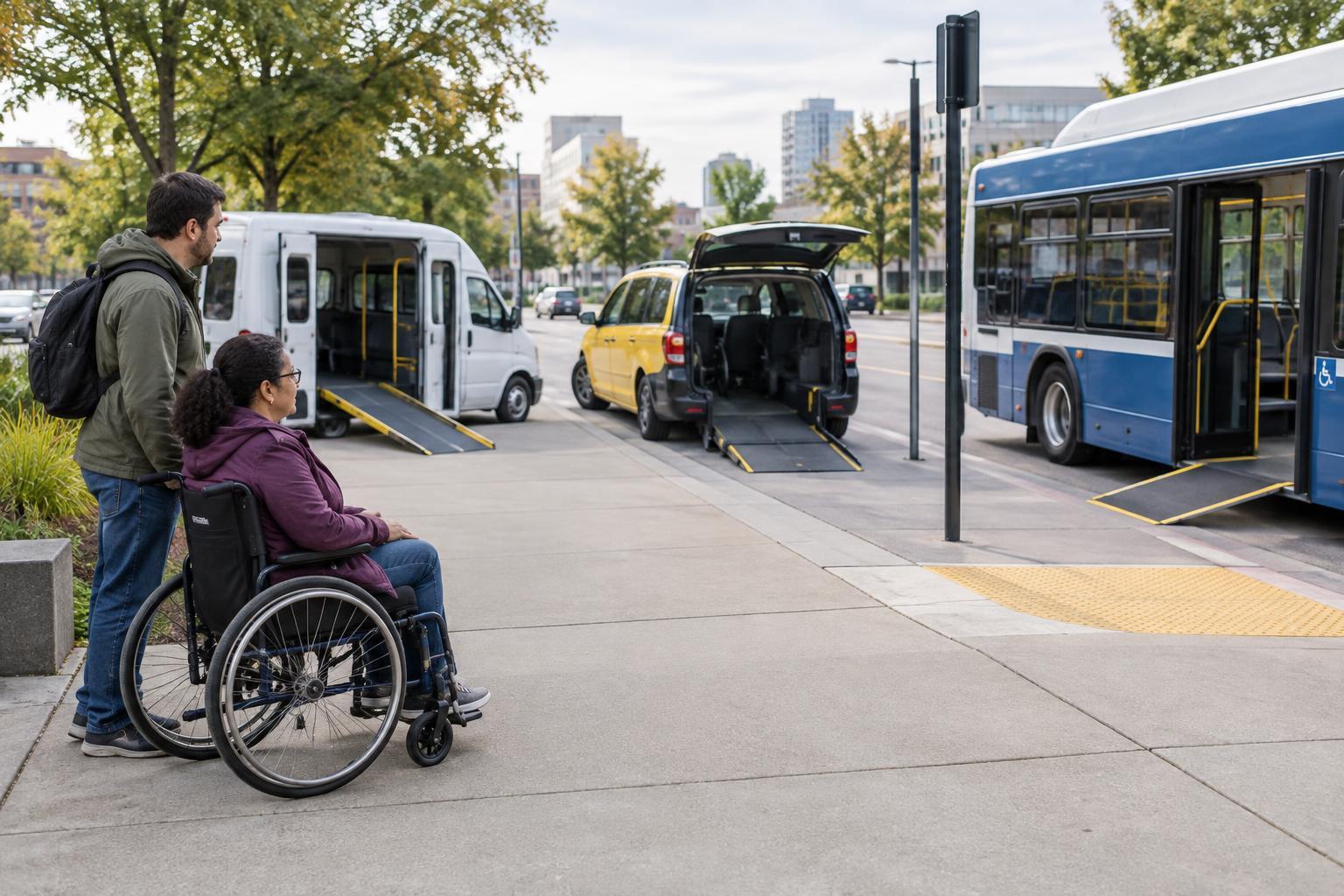
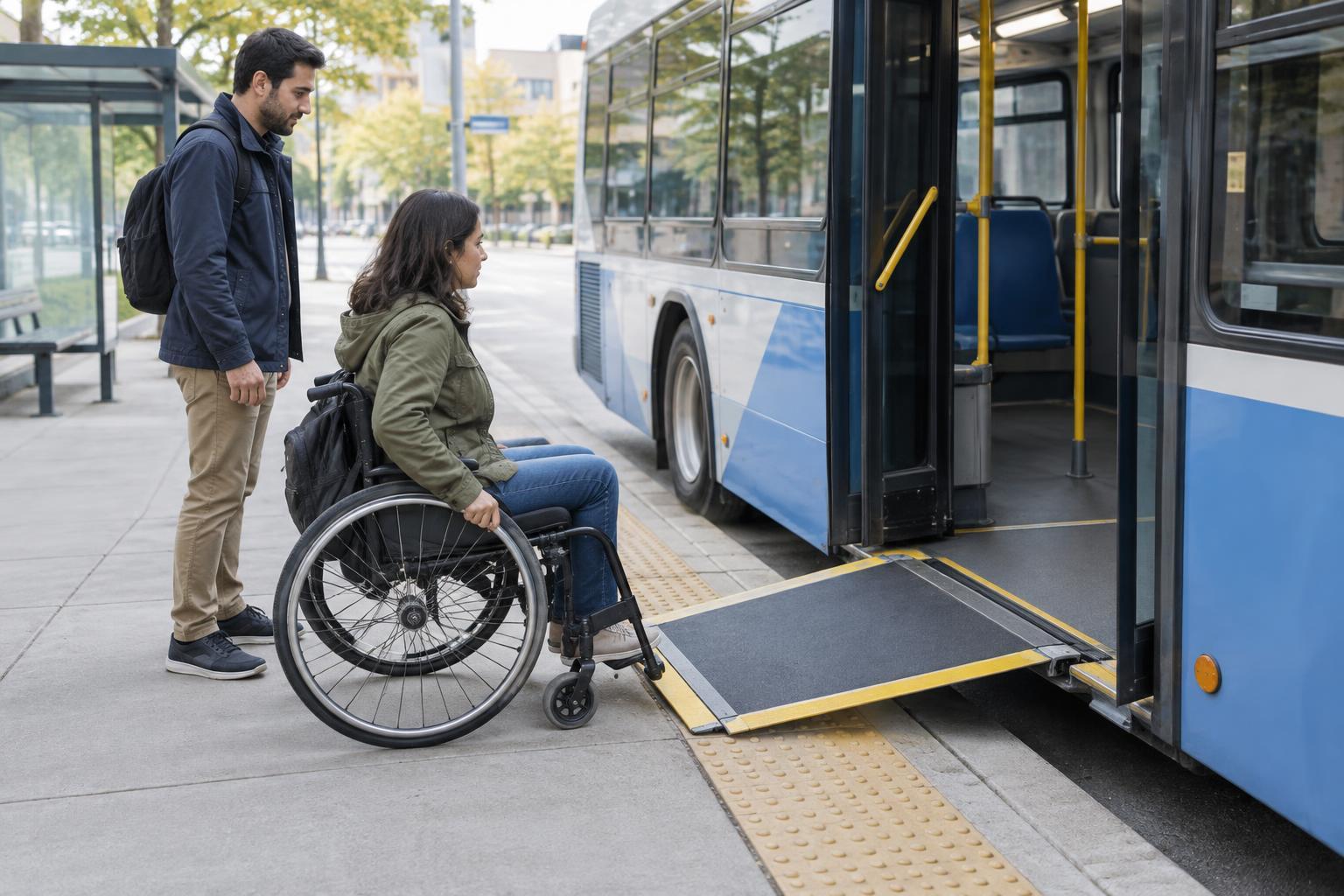
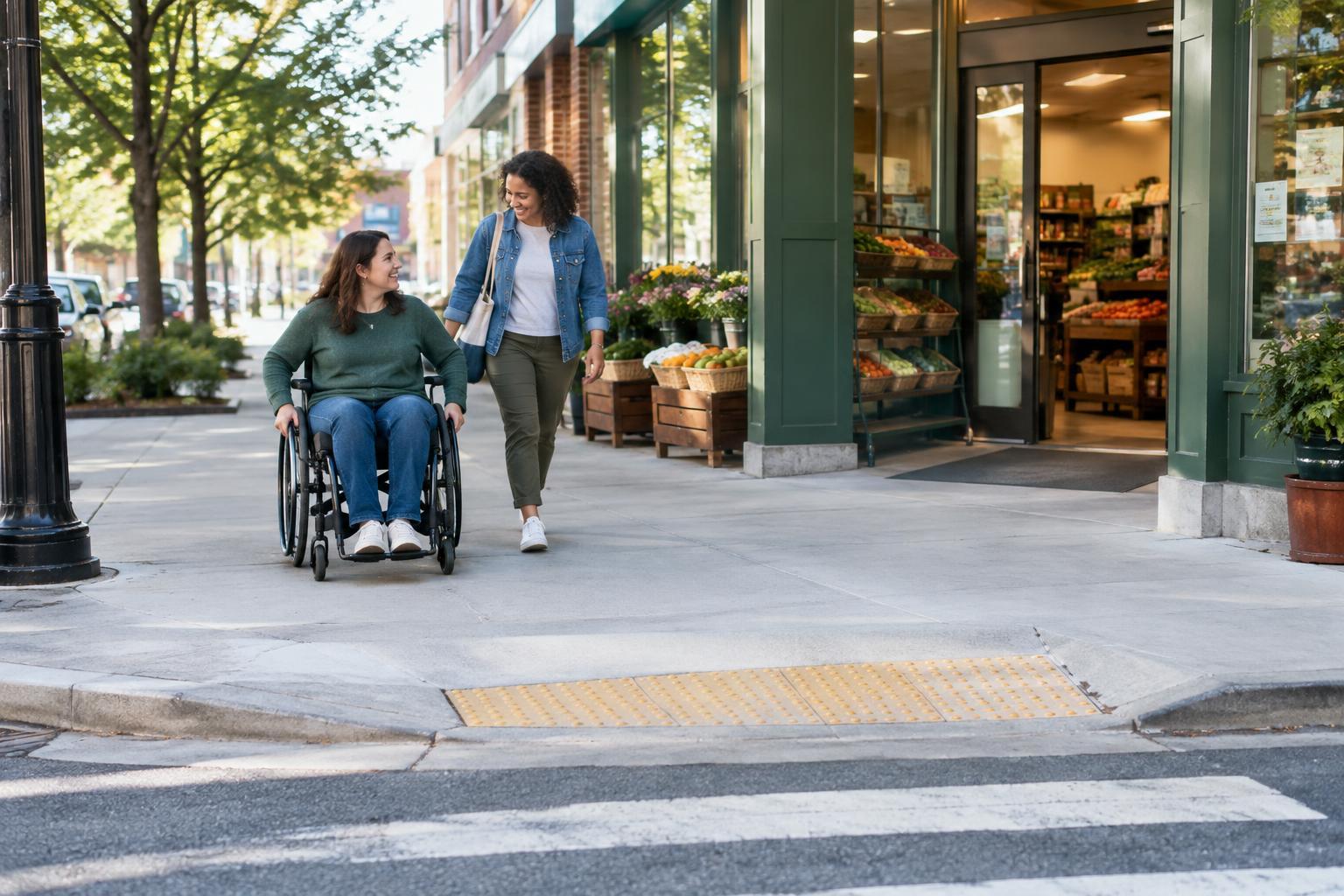
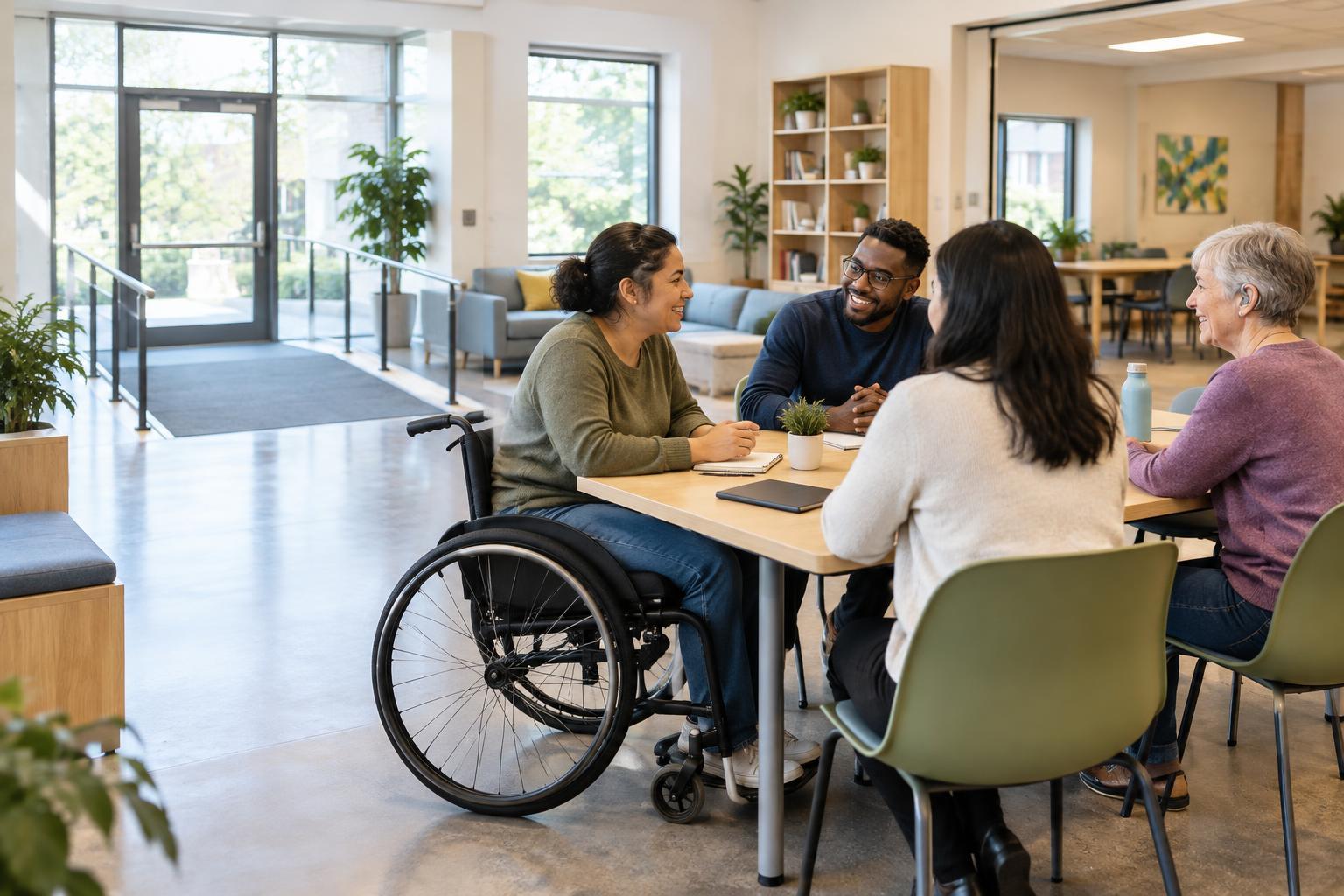
Physical access is not only about whether a building has a step-free entrance. Consider the route from the street or parking area, the effort required to open doors, the width of pathways and the space available to turn or sit. Cluttered corridors, loose mats, high counters and seating that is difficult to get out of can affect people who use mobility aids, carry equipment or have limited strength or stamina.
Small changes can help: keep routes clear, place frequently used items within comfortable reach, offer seating at different heights and give people somewhere to rest during a long activity. Check whether an accessible entrance is easy to find and available when people need it, rather than treating it as an afterthought. If a structural barrier cannot be changed right away, explain it in advance and offer a workable alternative where possible. An alternative should still allow someone to take part, not merely observe.
Consider what people must see, hear or tolerate
Sensory barriers arise when important information or participation depends on seeing, hearing or coping with a particular environment. Small print, low-contrast labels and signs placed where they are hard to spot can make navigation difficult. Spoken announcements may be missed in a noisy room, while a video without captions may leave out someone who cannot hear its audio. Bright glare, strong scents or persistent background noise can also make a space uncomfortable or hard to use.
Provide important information in more than one form when you can. Pair spoken directions with clear written ones, make labels readable and keep essential messages visible long enough to take in. Choose a quieter place for a conversation or offer a way to step away from a busy area. These measures do not make every environment work for everyone, but they give people more ways to receive information and participate.
Reduce cognitive load and invite feedback
Cognitive barriers can appear when people must remember several instructions, interpret unfamiliar terms or make decisions under time pressure. A sign-up page with unclear steps, a schedule that changes without notice or an event with no explanation of what will happen can be difficult to navigate. Clear structure helps: use familiar language, put steps in a logical order, state what someone needs to bring and explain how long an activity is expected to take. Allow time for questions and avoid treating a request for repetition as a problem.
Think of accessibility as an ongoing check rather than a one-time fix. Try an activity from start to finish using the information a newcomer would have. Ask participants what helped and what got in the way, and give them a way to respond privately. When someone describes a barrier, listen to the effect it had before proposing a solution. A practical change might be as simple as moving a table, sharing instructions ahead of time or offering a different way to respond.
No single checklist captures every person’s experience. Still, the habit of checking routes, information, surroundings and instructions can reveal obstacles that are easy to overlook. Removing those obstacles makes everyday places more welcoming without requiring anyone to prove that they belong there.