Start with the trip, not the vehicle
The best way to get across town may change from day to day. A scheduled appointment, a quick grocery stop and an evening gathering each put different demands on a ride. Before choosing between paratransit, an accessible taxi and regular transit, think through the whole trip: getting to the pickup point, boarding, traveling, getting off and reaching the final door. A vehicle can be accessible while the sidewalk or entrance at either end is not.
Write down what matters most for this particular journey. You might need room for a mobility device, a seat close to the door, a predictable arrival time, help finding the vehicle or the freedom to leave whenever you are ready. Consider weather, energy levels, bags and whether you are traveling with someone else. This short checklist makes the comparison more useful than asking which service is “best” in general.
Paratransit: planned travel with service rules
Paratransit generally provides shared rides for people who cannot use regular transit for some or all trips because of a disability. Eligibility, service areas, fares, booking windows and pickup procedures vary by provider. A ride may need to be reserved in advance, and the vehicle may collect other passengers along the way. For recurring trips that can be planned, paratransit may offer a helpful alternative when a fixed-route journey is not workable.
Its scheduling rules can make spontaneous changes harder. Before relying on it for an appointment, ask how pickup windows work, what happens if the vehicle is late and how to arrange the return trip. Check where the driver can meet you and what assistance the service provides. If you are new to paratransit, a lower-pressure trip can help you learn the booking and pickup process before you use it for something time-sensitive.
Accessible taxis: flexible, but worth checking ahead
An accessible taxi may be useful when you need a direct ride or cannot plan far enough ahead for paratransit. Depending on the local fleet, a vehicle may accommodate a wheelchair or other mobility device. Availability is not guaranteed, though, and a request for an accessible vehicle may take longer than a request for a standard taxi. Fares, payment methods and advance-booking options also differ.
When booking, describe the access features you need rather than relying only on the word “accessible.” Ask whether the vehicle can accommodate your mobility device, how boarding and securement are handled, and where it can safely pick you up. If you need to arrive at a set time, ask about availability early and keep another possible route in mind. For a return journey, find out whether you can book ahead or will need to request a new ride.
Regular transit: independence depends on the route
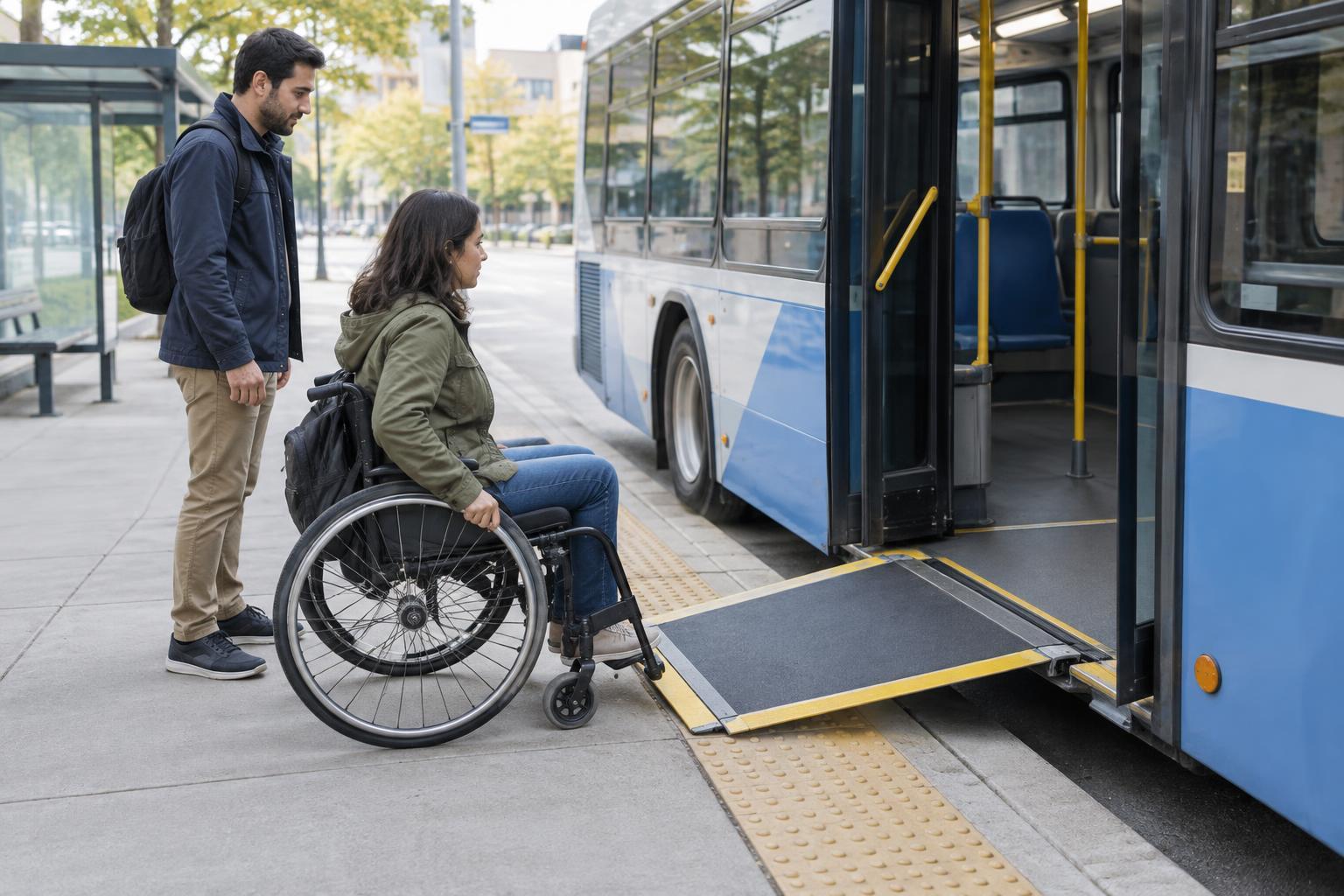
Buses, trains and other regular transit services can offer frequent departures and the ability to change plans without reserving a ride. Many systems have accessibility features, but those features may differ by route, stop, station and vehicle. A bus with a ramp may still be difficult to reach if the stop has an uneven path. A train station may be usable on one trip but require a different route when an elevator is unavailable.
Look beyond the main leg of the journey. Check the distance between connections, the condition of paths to stops, available seating and the time allowed to transfer. If information is unclear, contact the provider about the specific route and the features you need. Trying the journey at a quieter time, if possible, can help you learn where to board and how long each part takes without the pressure of an appointment.
Build a workable mix of options
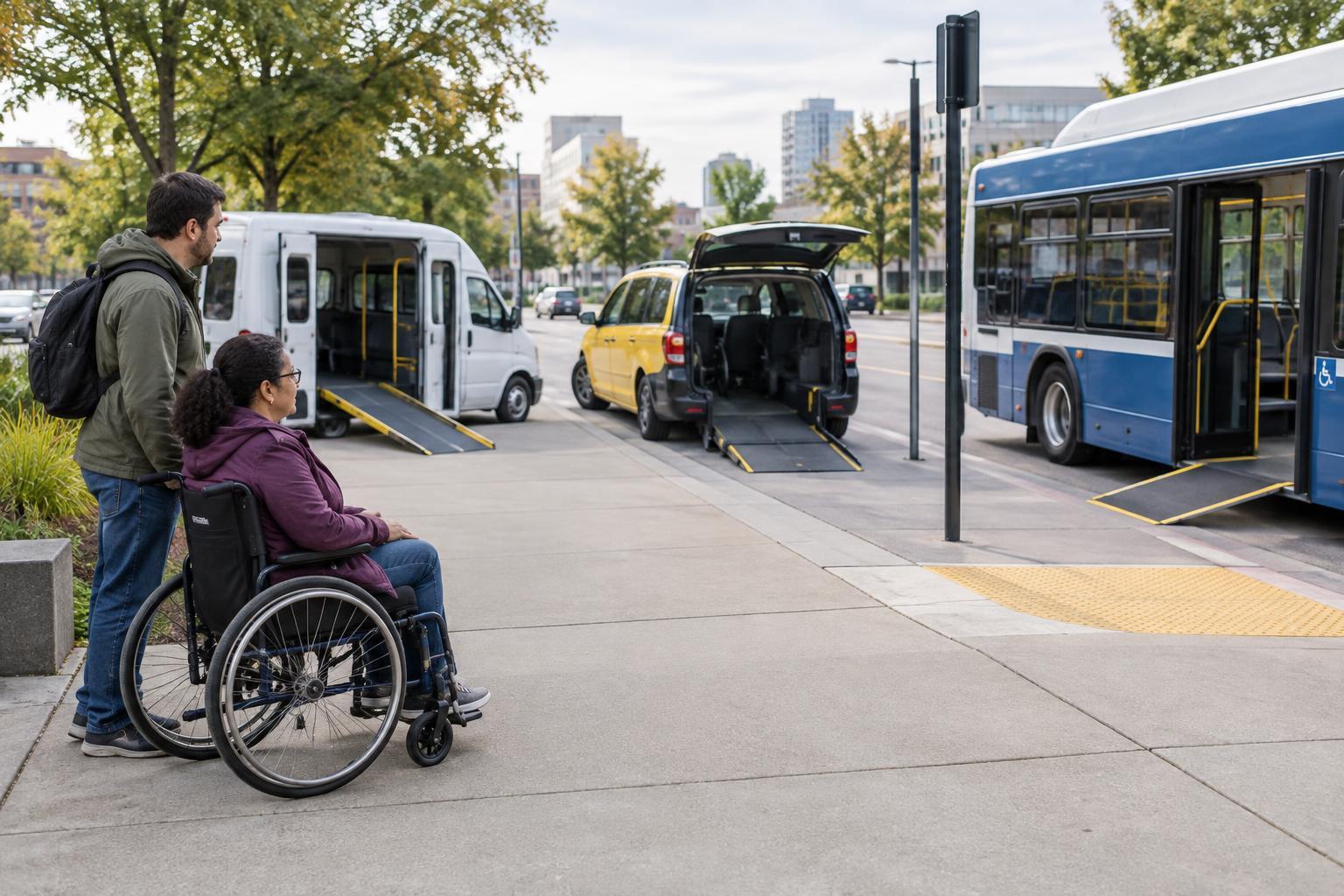
Daily travel does not have to depend on one service. Regular transit might work for a familiar daytime route, while paratransit suits a destination with poor stop access. An accessible taxi might be a backup for a changed schedule or a trip with heavy bags. Combining options can help too: a taxi to an accessible station may make the rest of a transit journey possible.
For trips that matter most, keep a simple plan with the address, pickup details, expected travel time, payment method and a backup option. Confirm service details when booking or before setting out, because local policies and conditions can change. The goal is not to find a perfect mode of transport; it is to choose a realistic journey that gives you enough access, time and flexibility for the day ahead.