Mistake 1: Treating one accessible feature as a complete solution
Adding a ramp, an automatic door or a large-print sign can remove a genuine barrier. The mistake is assuming that one improvement makes the entire experience accessible. A step-free entrance is of limited use if the path to it is uneven, the door is too heavy to open independently, or the only available seating is difficult to get into and out of.
Think about what someone needs to do from beginning to end. At a community event, that might mean finding information beforehand, reaching the entrance, understanding where to go, taking part and leaving comfortably. Looking at the full journey makes it easier to spot barriers that an isolated feature might hide. This approach works at home, too: a clear hallway is helpful, but people also need to reach switches, use shared rooms and find things without unnecessary effort.
Mistake 2: Designing for an imagined average person
People vary in height, strength, mobility, hearing, vision, attention, language and comfort with technology. Their needs can also change with fatigue, injury, age or the task at hand. A single fixed arrangement may work well for some people while making participation harder for others. For example, bright lighting can help someone read a notice, while glare from the same light may make it difficult for someone else to see.
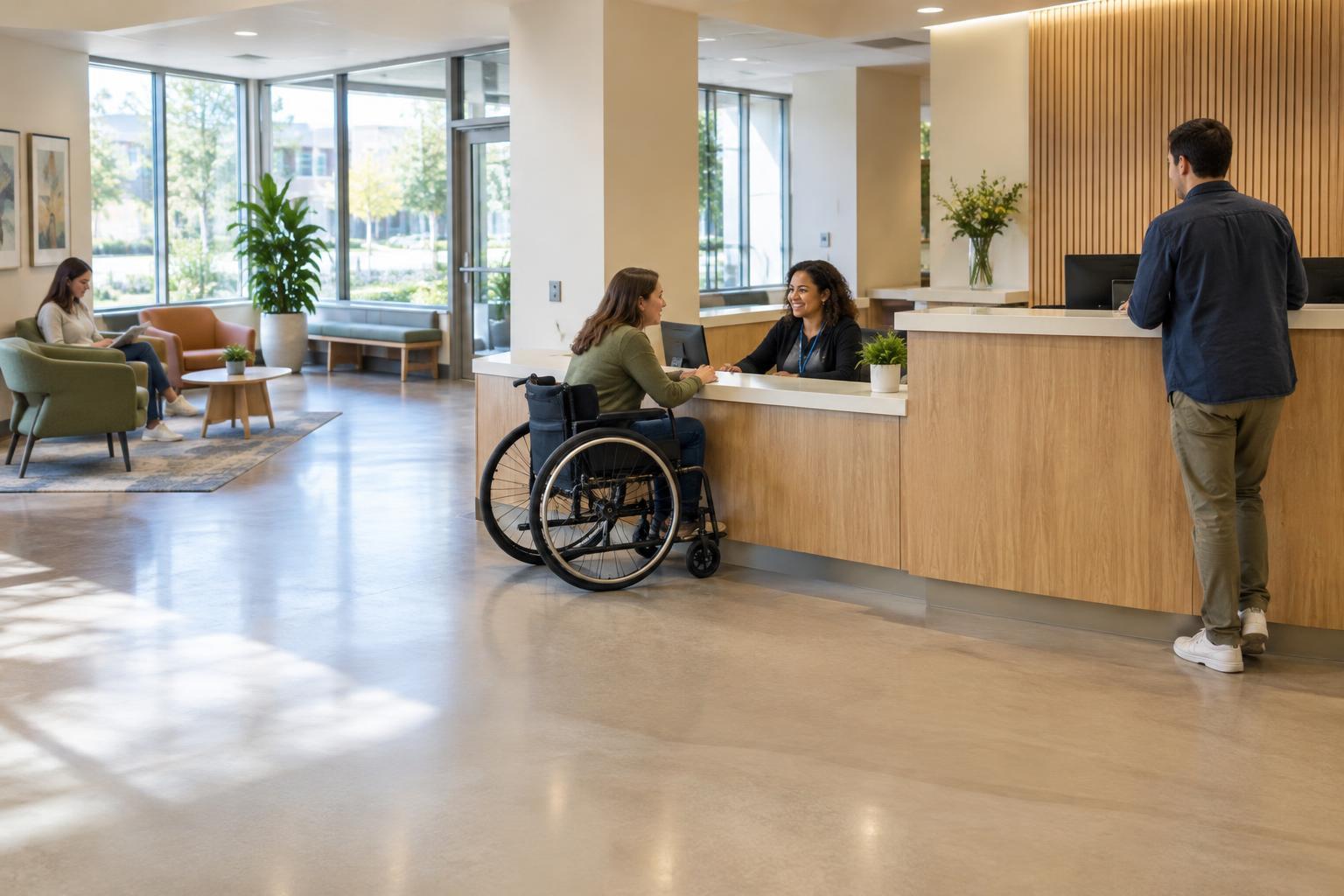
Where possible, offer more than one workable way to use a space or service. A meeting room might have movable chairs, a choice of seating positions and information available both aloud and in writing. An event sign-up might work online and through a person who can help with registration. The goal is not to make every option identical. It is to give people practical ways to participate without making them explain or defend a personal need.
Mistake 3: Assuming that more features always mean better access
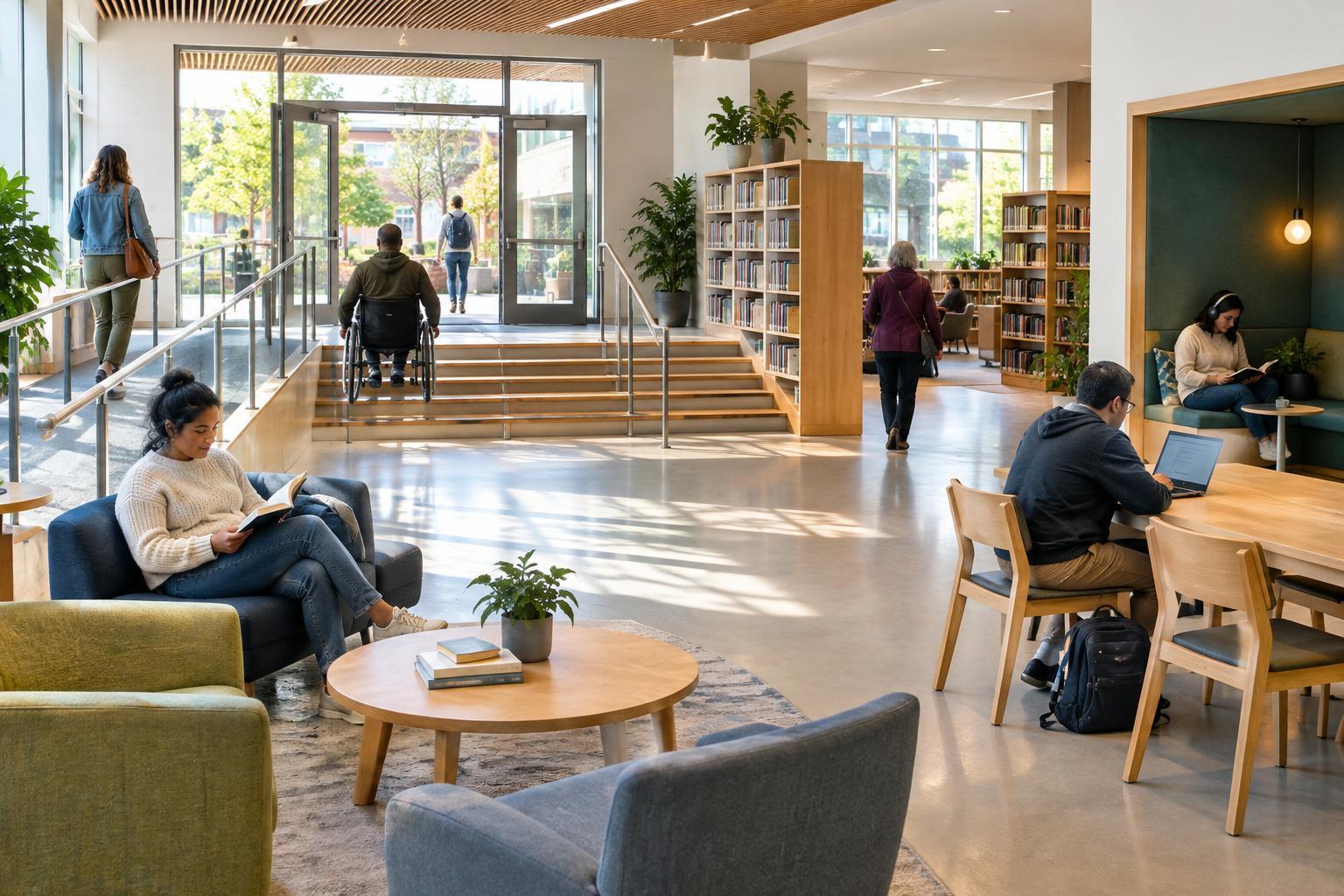
Well-meant features can create new obstacles when they are added without considering how people use them. Extra signs can become visual clutter. Background music intended to create a welcoming atmosphere can make conversation harder. A separate accessible route may technically provide entry but leave someone waiting for staff assistance or feeling apart from other visitors.
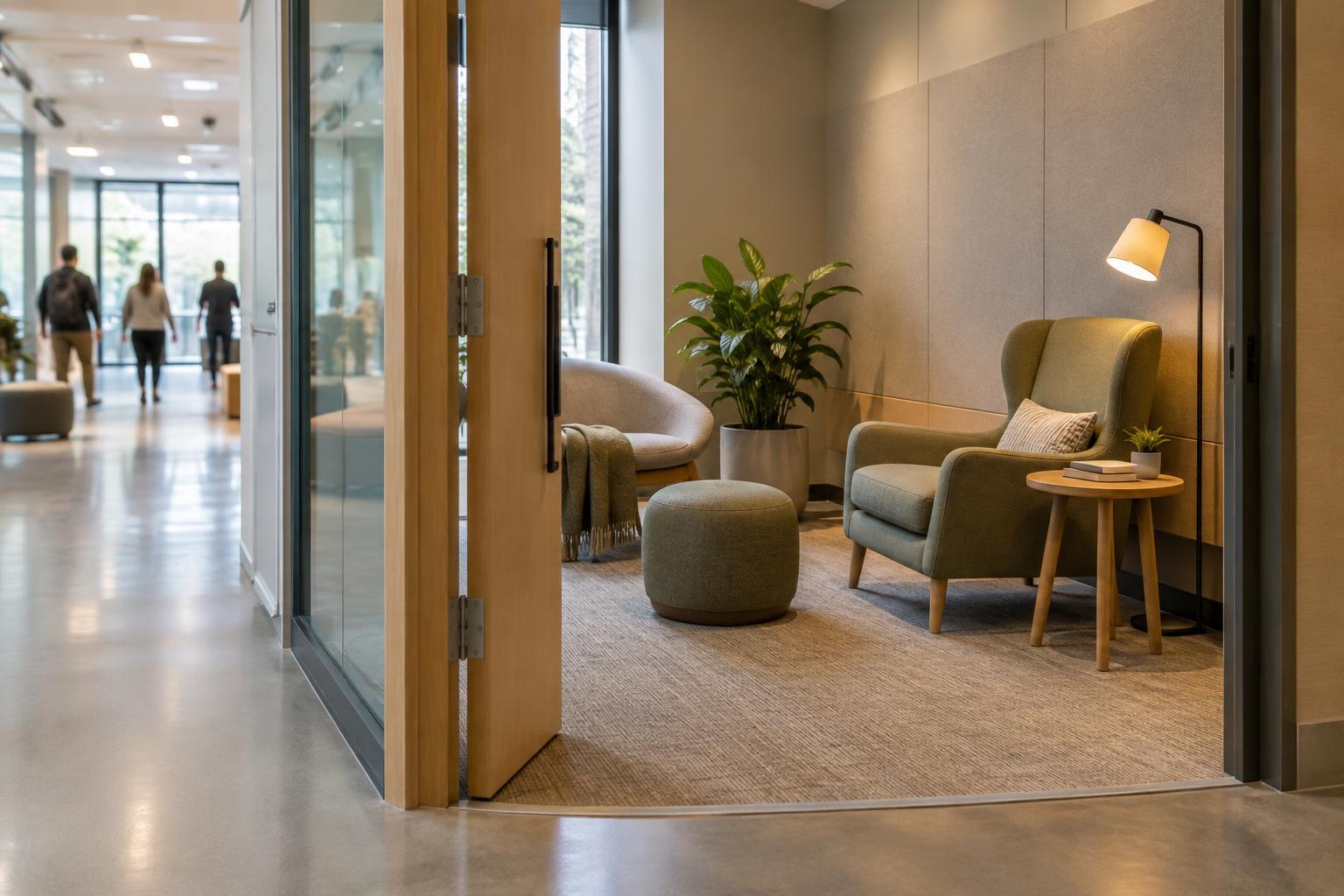
Before adding a feature, ask what problem it solves, who might benefit and whether it could cause difficulty elsewhere. A clear, predictable layout may help more than a collection of complicated instructions. If a quiet area is available, make it easy to find without requiring people to disclose why they want to use it. Good inclusive design is not about accumulating features; it is about reducing friction while preserving useful choices.
Mistake 4: Asking for feedback only after decisions are final
A plan that looks straightforward on paper may feel different in daily use. Someone who regularly uses a space may notice an awkward turn, confusing instruction or inconvenient schedule that a designer overlooks. Inviting a range of people to comment early gives you more room to adjust a plan before time and resources are committed.
Ask specific, open questions: Where would you expect to find this information? What might make this route difficult? Is there another way you would prefer to take part? Avoid asking one person to speak for everyone with a similar disability, background or age. If you cannot act on a suggestion, explain the constraint and consider another way to address the underlying barrier. Feedback is most useful when it can lead to a visible change.
Mistake 5: Forgetting that needs and spaces change
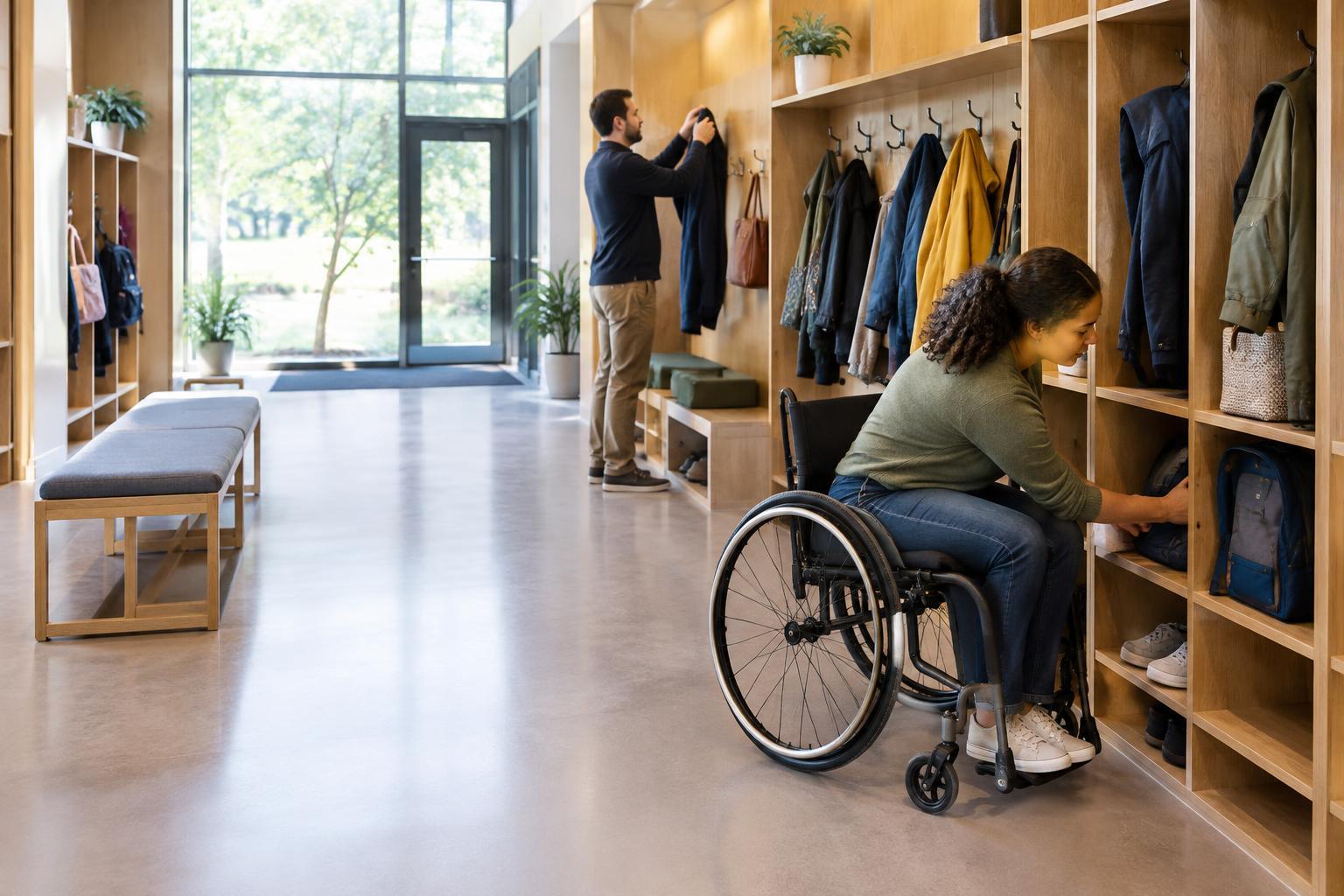
Even a thoughtful design can become less usable over time. Furniture gets moved, entrances are blocked by deliveries, signs become outdated and event formats change. A flexible setup is easier to adjust than one built around a single assumed way of doing things. In a workplace, for instance, keeping shared materials in predictable locations can help people find them, while allowing seating or communication methods to change when a task calls for it.
Make simple checks part of ordinary upkeep. Walk through the space as a visitor would, check that alternative routes remain available and invite people to report barriers without a complicated process. Inclusive design is not a promise that one solution will work for everyone forever. It is a continuing practice of noticing where people encounter difficulty, offering meaningful options and improving what you can.