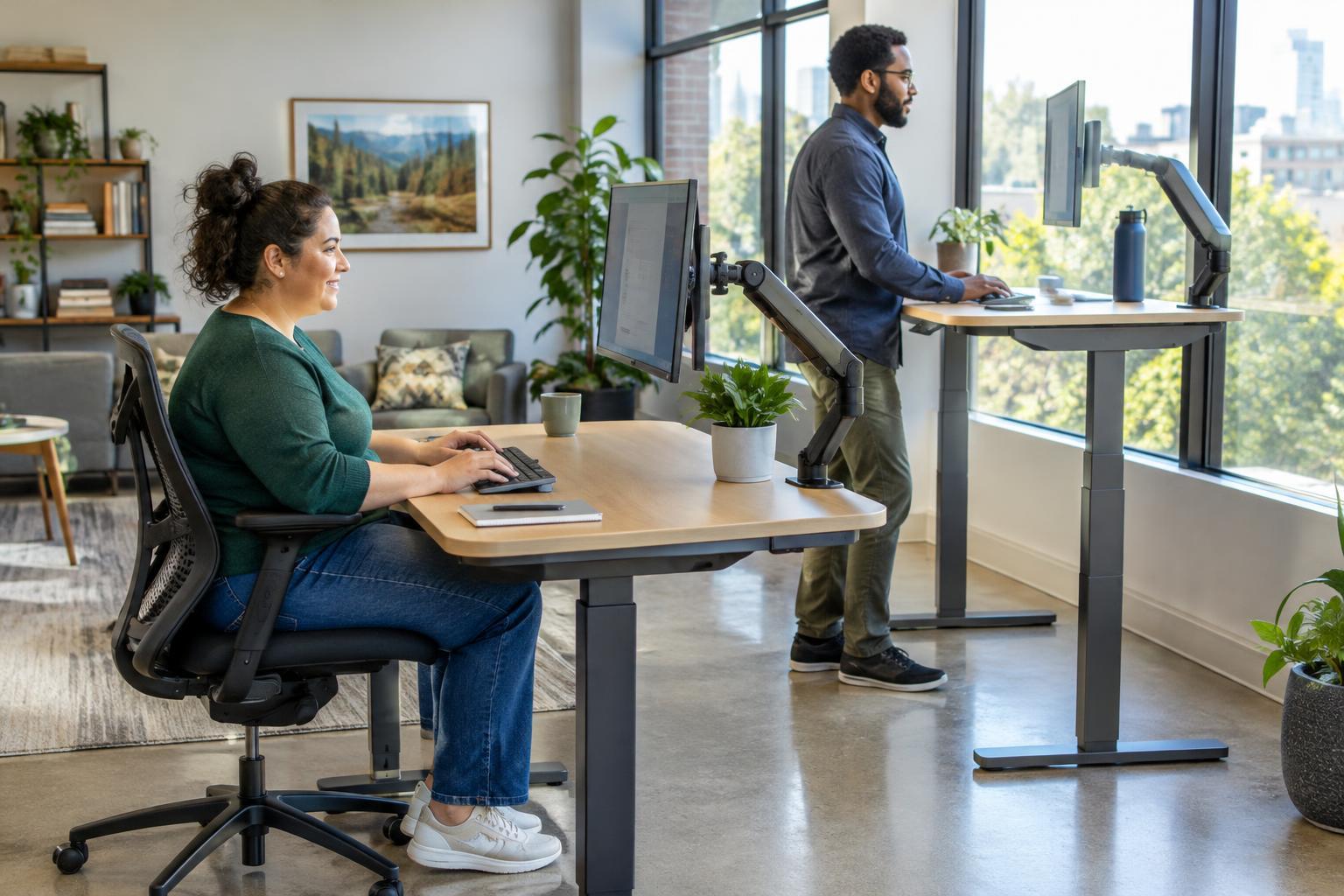
Start with choice, not a single ideal chair
A chair that feels comfortable to one person may be difficult for another to use. A low, deep lounge seat can invite relaxation but make standing up harder. A tall stool may suit a short conversation but leave some people without a place to rest their feet. In a shared lounge, waiting area or community room, aim for a small range of seating rather than rows of identical chairs.
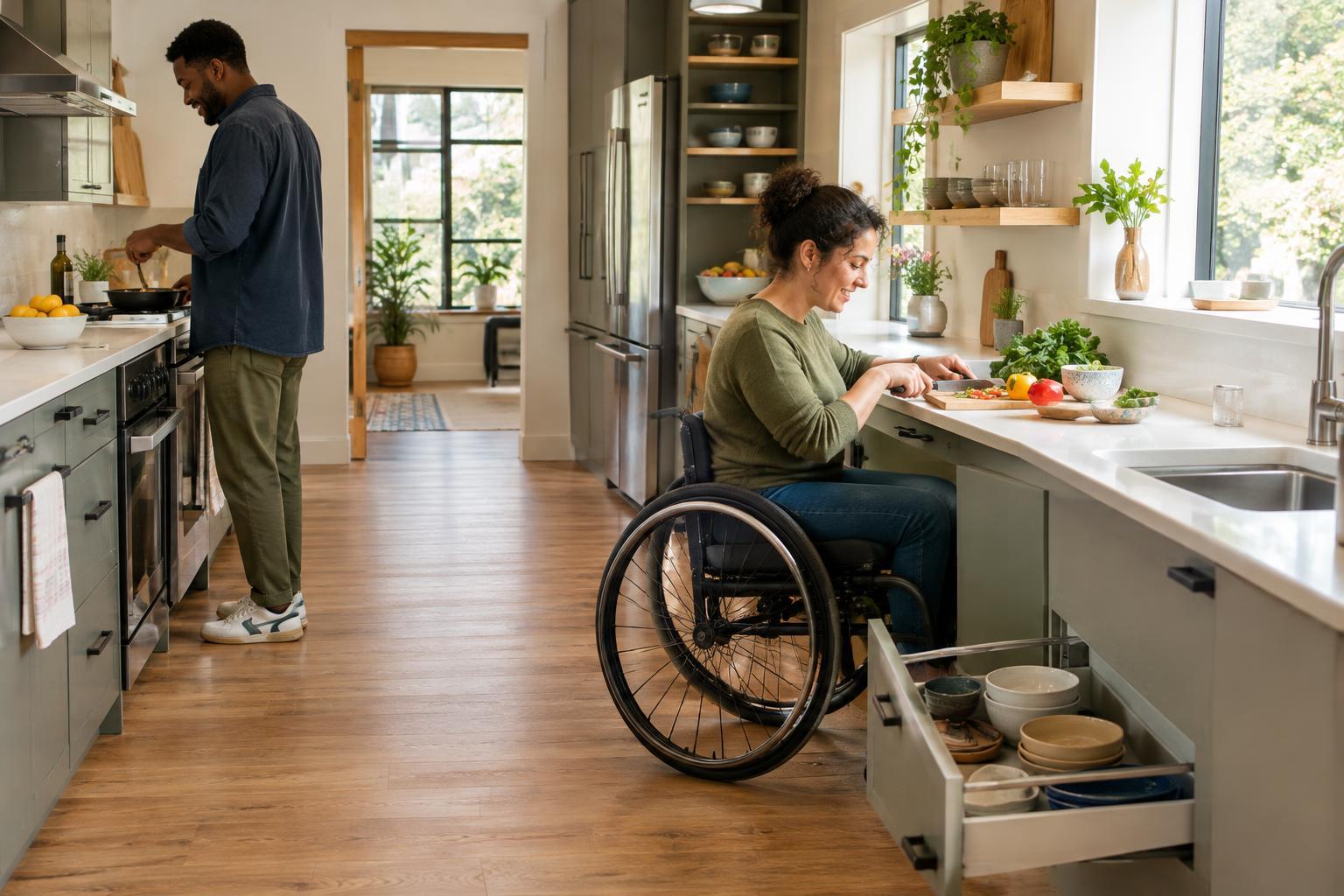
Begin by thinking about what happens in the space. Do people sit briefly, stay for a meeting or move between tables and conversation areas? Seats near an entrance may serve someone who needs to pause before going farther. Seats around a table need to let people approach, sit and join the activity. Keep some places open for a person who uses a wheelchair or prefers to remain standing, without separating them from the group.
Pay attention to seat height and depth
Seat height affects how easily someone can lower themselves into a chair and rise again. A seat that is too low may require extra effort to stand; one that is too high may leave feet dangling. Because bodies and preferences differ, a mix of moderate-height and slightly higher seats is often more useful than searching for one perfect measurement. If you are buying several chairs, try samples in the actual space before committing.
Depth matters too. In a very deep chair, a shorter person may have to perch forward to keep their feet on the floor, losing the benefit of the backrest. A firmer seat with a less pronounced slope can make changing position easier for some people. Check what happens when the chair is pulled up to a table: the sitter should have room for their legs and should not have to lean awkwardly to reach the surface.
Treat armrests and backs as useful options
Armrests can offer a place to steady the hands while sitting down or standing up. They can also support the forearms during a long conversation. Choose chairs with armrests that feel secure and are comfortable to grip, but avoid making every seat identical: fixed arms can restrict movement or make a chair uncomfortable for someone who needs more space. Include armless options where they help people sit, turn or transfer in the way that works for them.
A supportive back is more than a decorative feature. Notice whether it lets someone sit upright without straining and whether it reaches a useful part of the back. Soft cushions can be welcoming, yet cushions that slide or compress heavily may make a seat less predictable. Test how stable the whole chair feels when someone shifts position. Where possible, offer both upright chairs and more relaxed seats so guests can choose rather than having to request a special chair.
Make the surrounding space work
Even a well-chosen chair is less useful if it blocks a route or is hard to reach. Leave clear paths between seats, tables and doors, and check them after chairs have been pulled out. Place different seating options throughout the room instead of putting all the supportive chairs in one corner. This allows people to choose both a seat and the people they want to sit with.
Consider the details someone encounters on the way to the chair. Can they see where the seat begins and ends? Is there space beside it for a mobility aid or a bag without creating a trip hazard? Is a nearby table within comfortable reach? Chairs that are easy to move can make a room flexible, but they should also remain steady during ordinary use. Agree on a simple layout staff or volunteers can restore after events.
Test with people, then adjust
Before buying or rearranging a full set, invite people with different seating preferences to try a few options. Ask specific questions: Can you sit down and get up comfortably? Do your feet rest where you want them? Do the armrests help or get in the way? Can you reach the table and join the conversation? Listen for differences rather than expecting everyone to agree.
Revisit the arrangement once the space is in use. A chair may work well on its own but feel cramped when the room is busy. A seating mix is most effective when people can select an option without drawing attention to themselves, and when the layout can change as activities change. Small adjustments to placement, height and support can make participation feel easier and more natural.