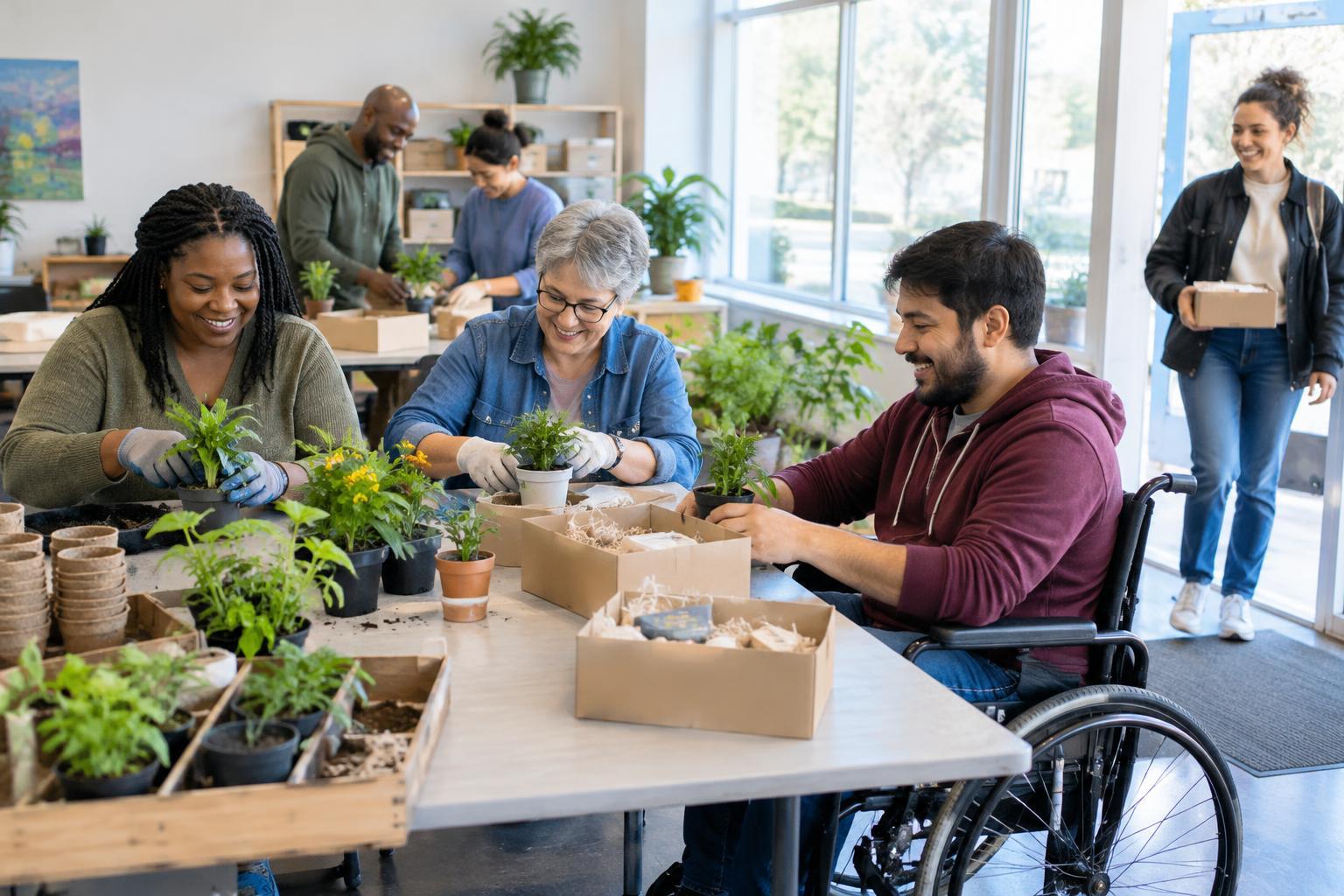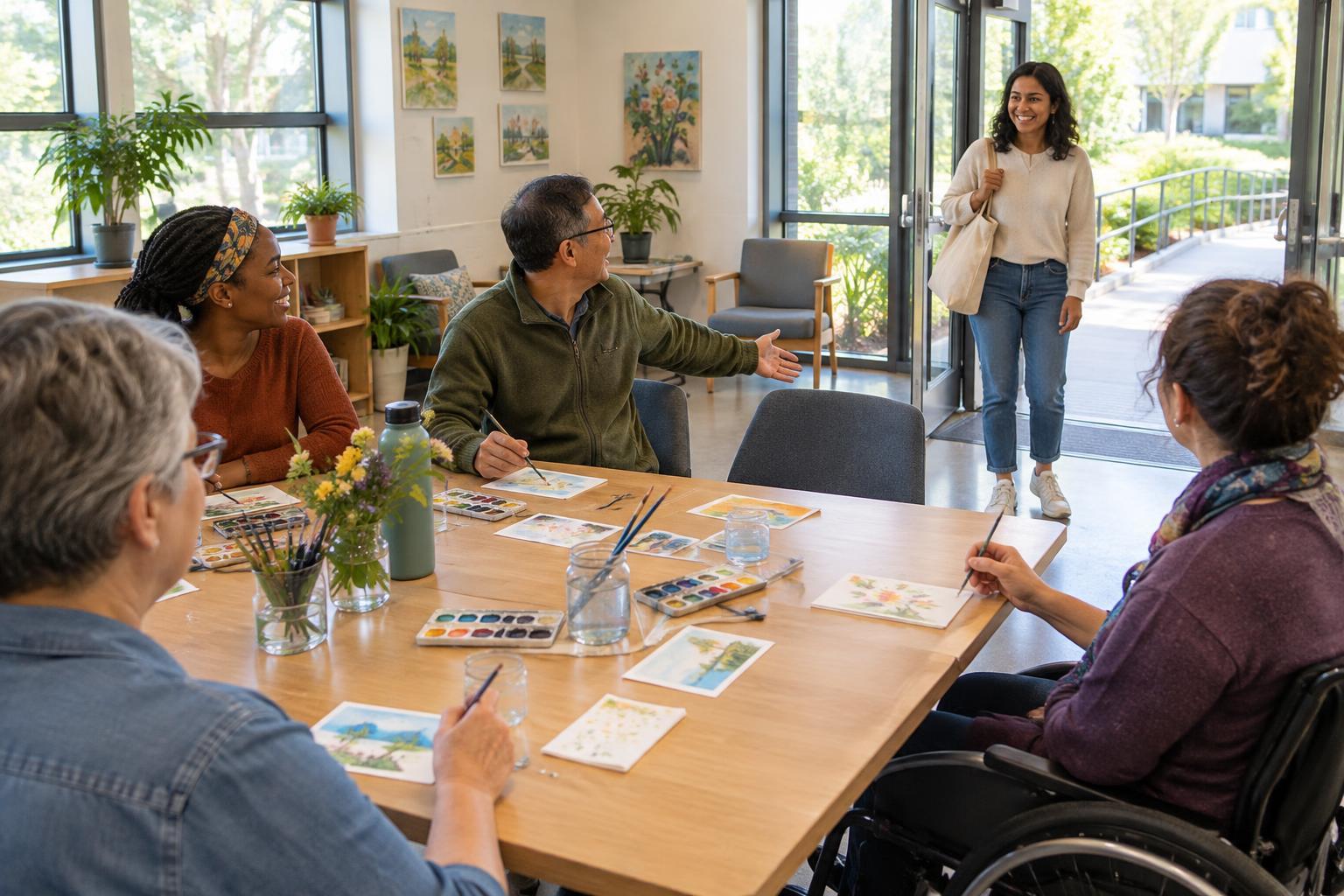
Community LifeTrying a local activity is easier when you know what to look for and what to ask. Learn how to find welcoming groups, check practical details, and make a first visit work for you.
Read article · 4 min↗
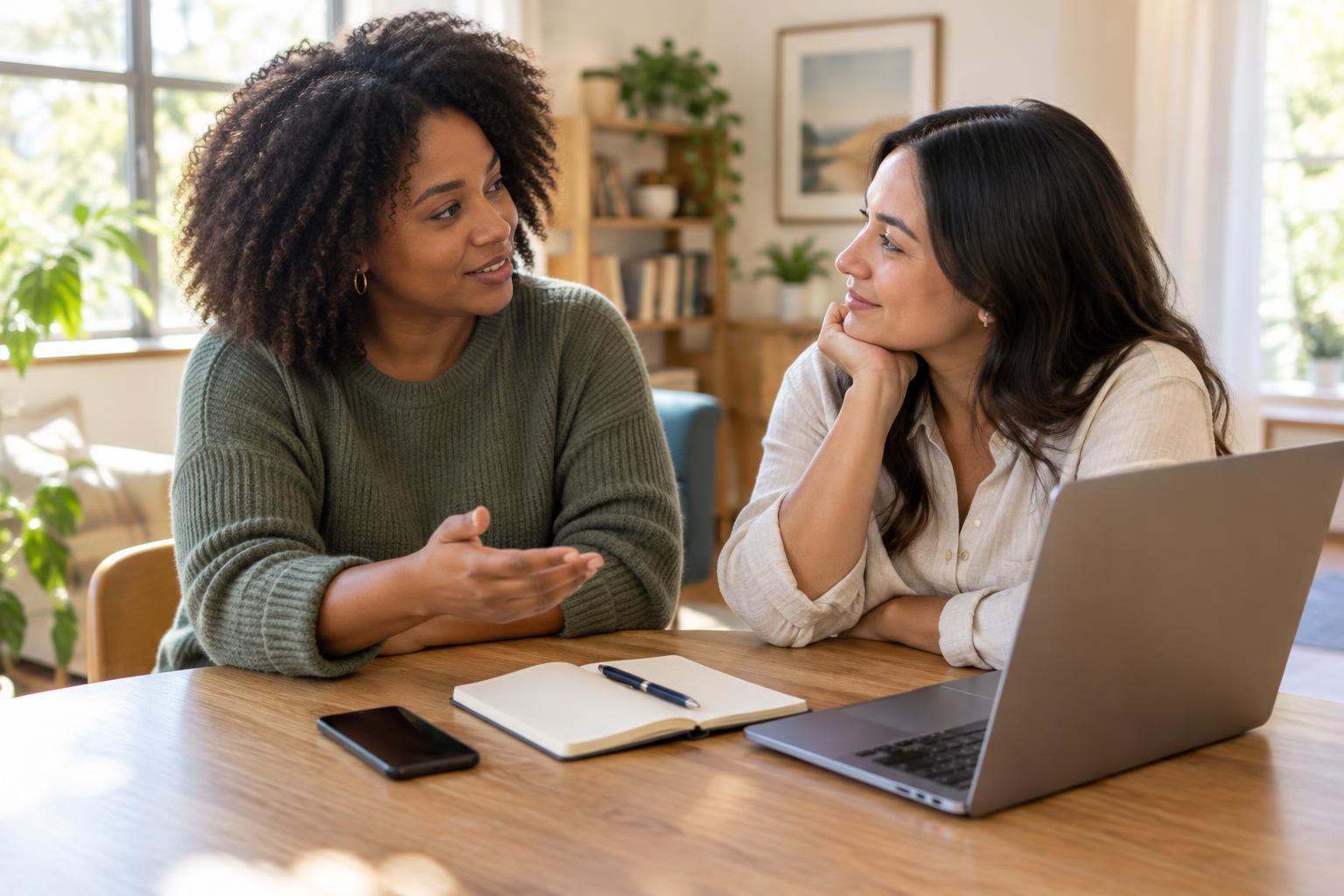
Communication SkillsA call can help people work through a question together, a message can handle a quick update, and an email can keep details in one place. The best choice also depends on urgency, accessibility, privacy and the other person’s preferences.
Read article · 3 min↗
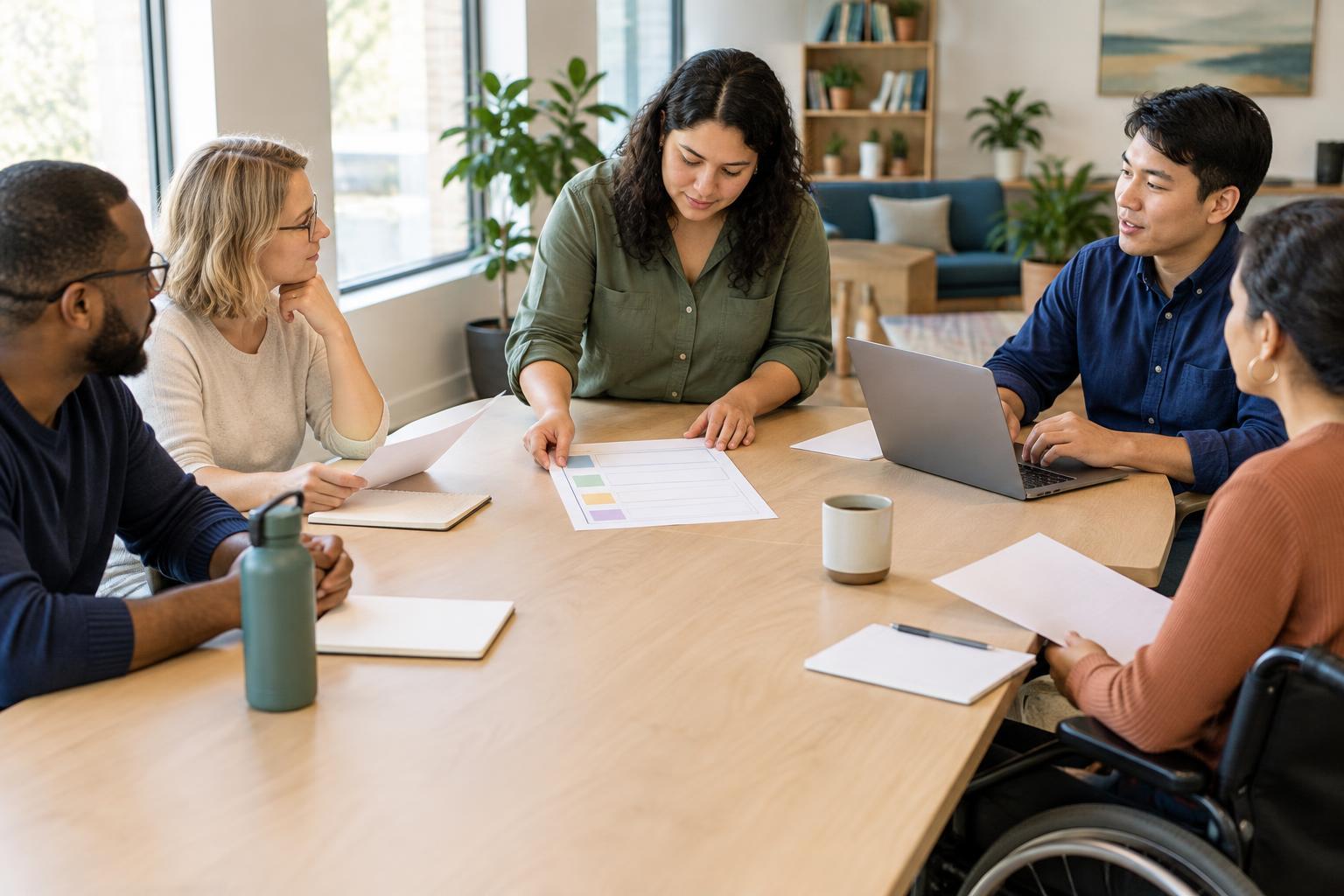
Communication SkillsA useful agenda does more than list topics. It tells people why they are meeting, what they may need to prepare, and how they can contribute. These practical steps can make meetings easier to follow and more welcoming to different ways of participating.
Read article · 4 min↗
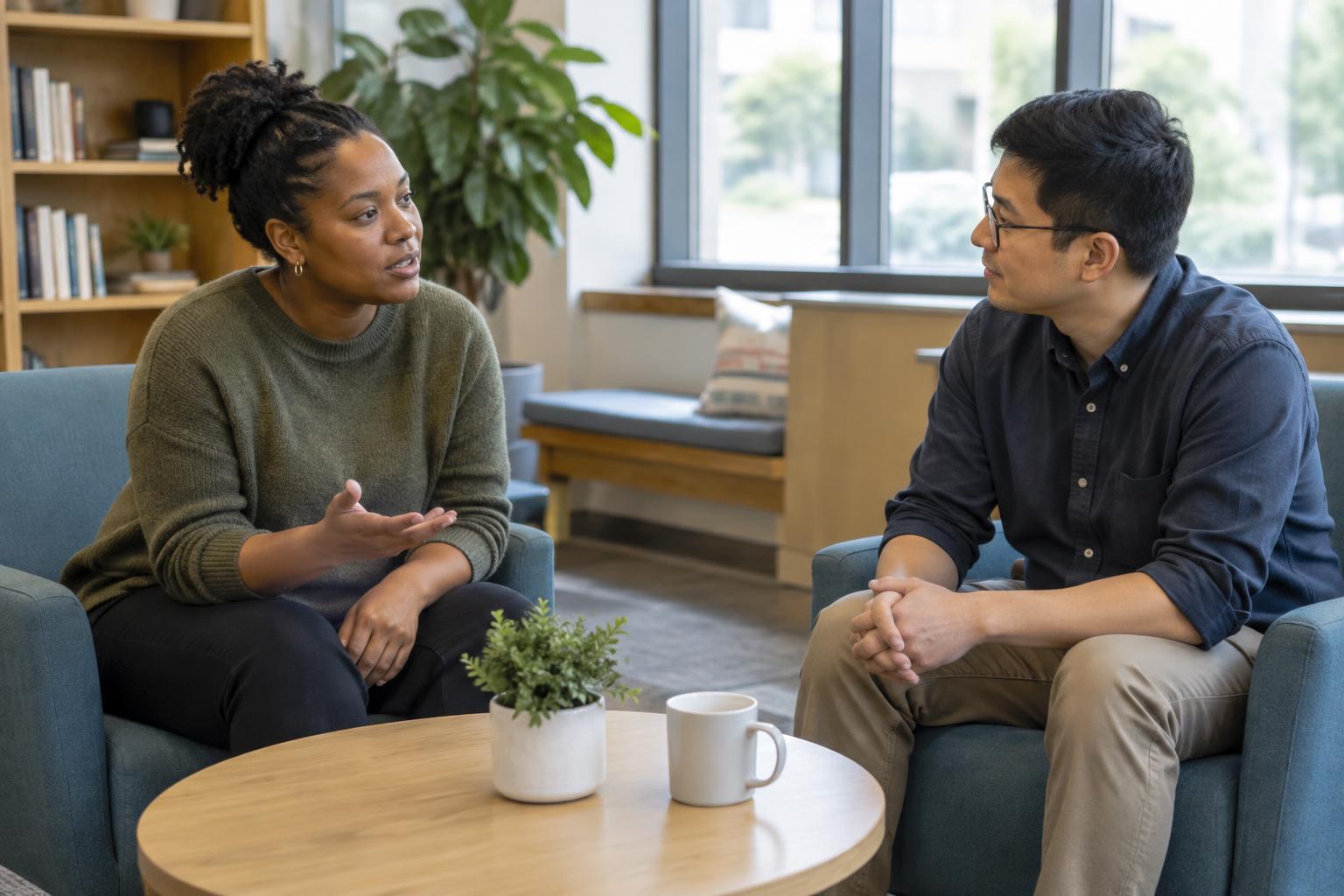
Communication SkillsAn insensitive comment can leave you deciding whether to speak up, let it pass, or return to it later. These practical responses can help you address the impact, protect your energy, and keep the conversation as constructive as circumstances allow.
Read article · 4 min↗
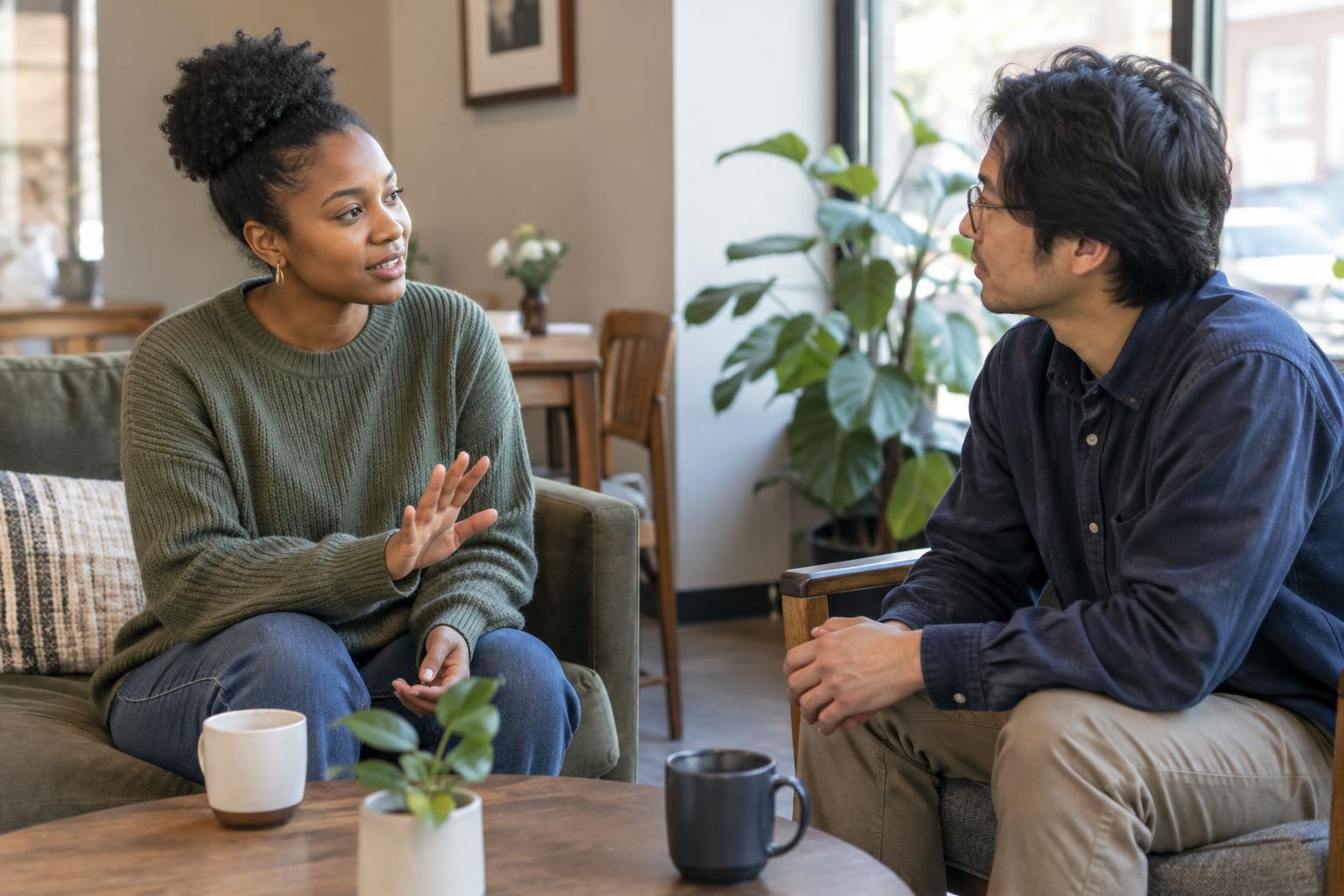
Communication SkillsConversational boundaries help people understand what you can discuss, when you are available, and how you want to be addressed. Learn practical ways to state a limit, offer an alternative when appropriate, and respond if the conversation keeps crossing the line.
Read article · 4 min↗
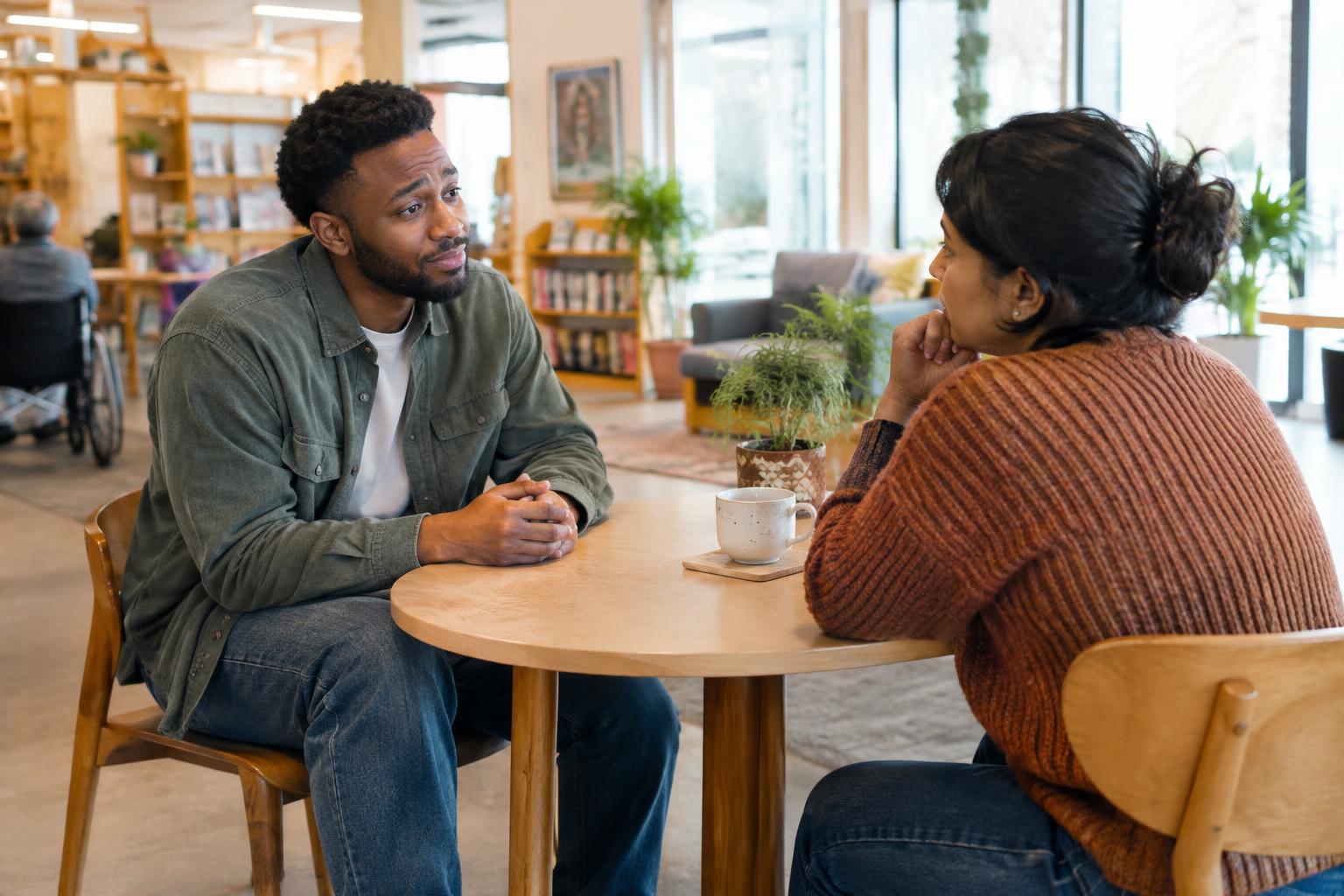
Communication SkillsAn apology cannot erase a hurtful comment, but it can be a first step toward repair. Learn how to pause, acknowledge the impact, listen without arguing, and follow through in ways that respect the other person’s choices.
Read article · 4 min↗
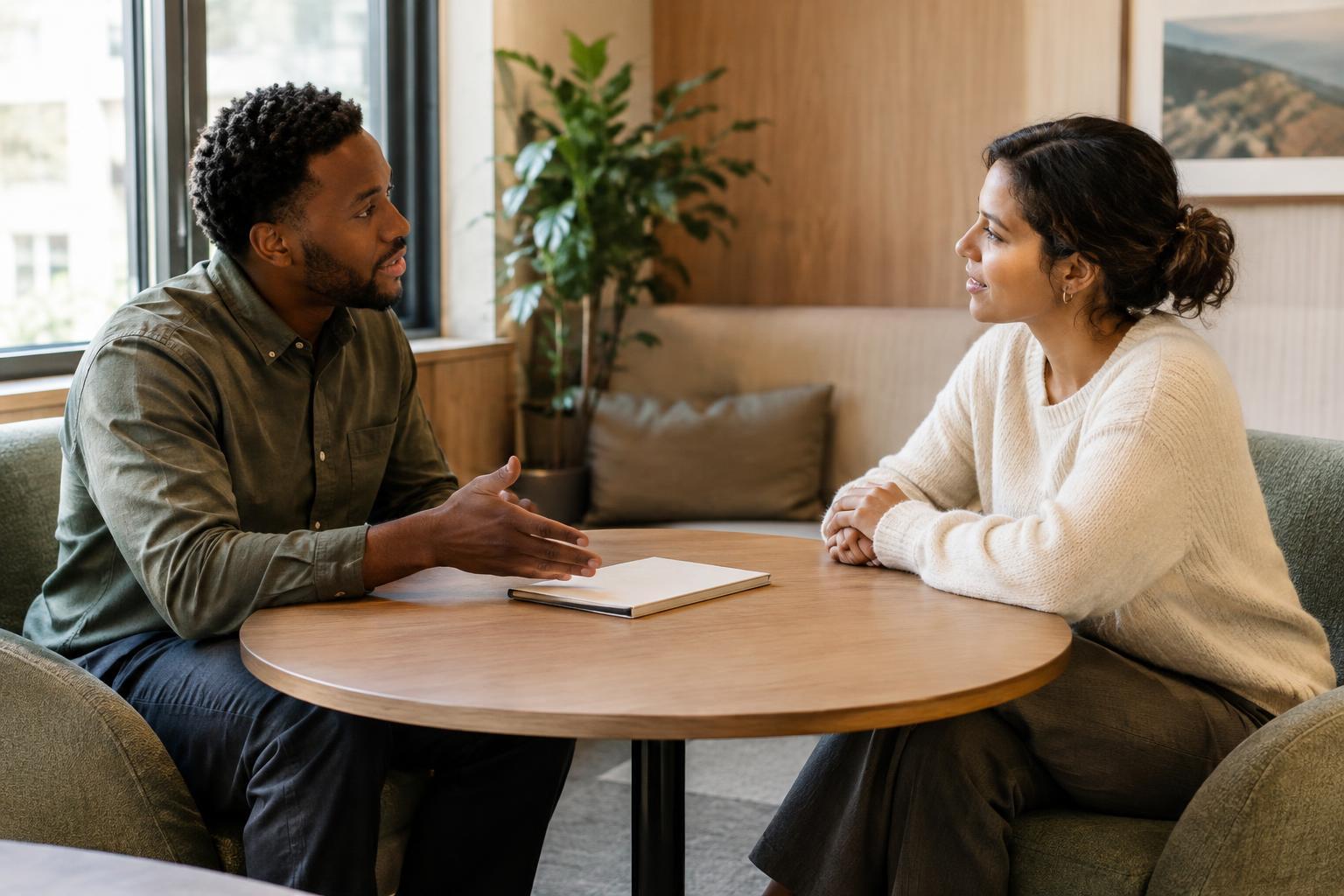
Communication SkillsUseful feedback names a specific action, explains its effect and makes room for a better next step. Learn how to talk about behavior without making assumptions about someone’s identity or character.
Read article · 4 min↗
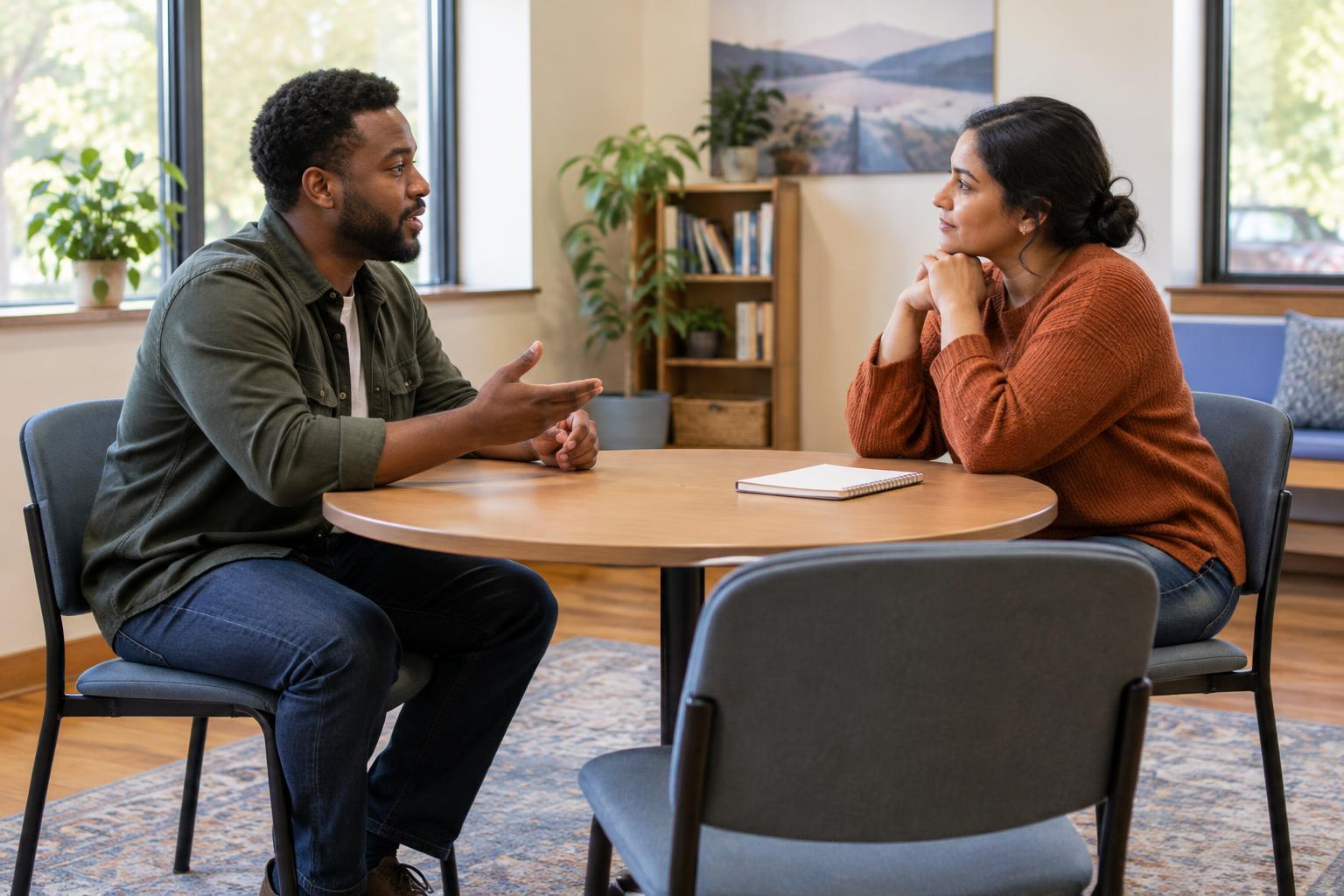
Communication SkillsDisagreement does not have to end a conversation. Learn how to state your view clearly, listen without surrendering your position, and make room for different communication needs while working toward a useful next step.
Read article · 4 min↗

Communication SkillsA good meeting does not require everyone to speak equally, but it should give everyone a fair chance to contribute. These practical facilitation habits make room for reflection, reduce interruptions and offer ways to participate beyond speaking on the spot.
Read article · 3 min↗
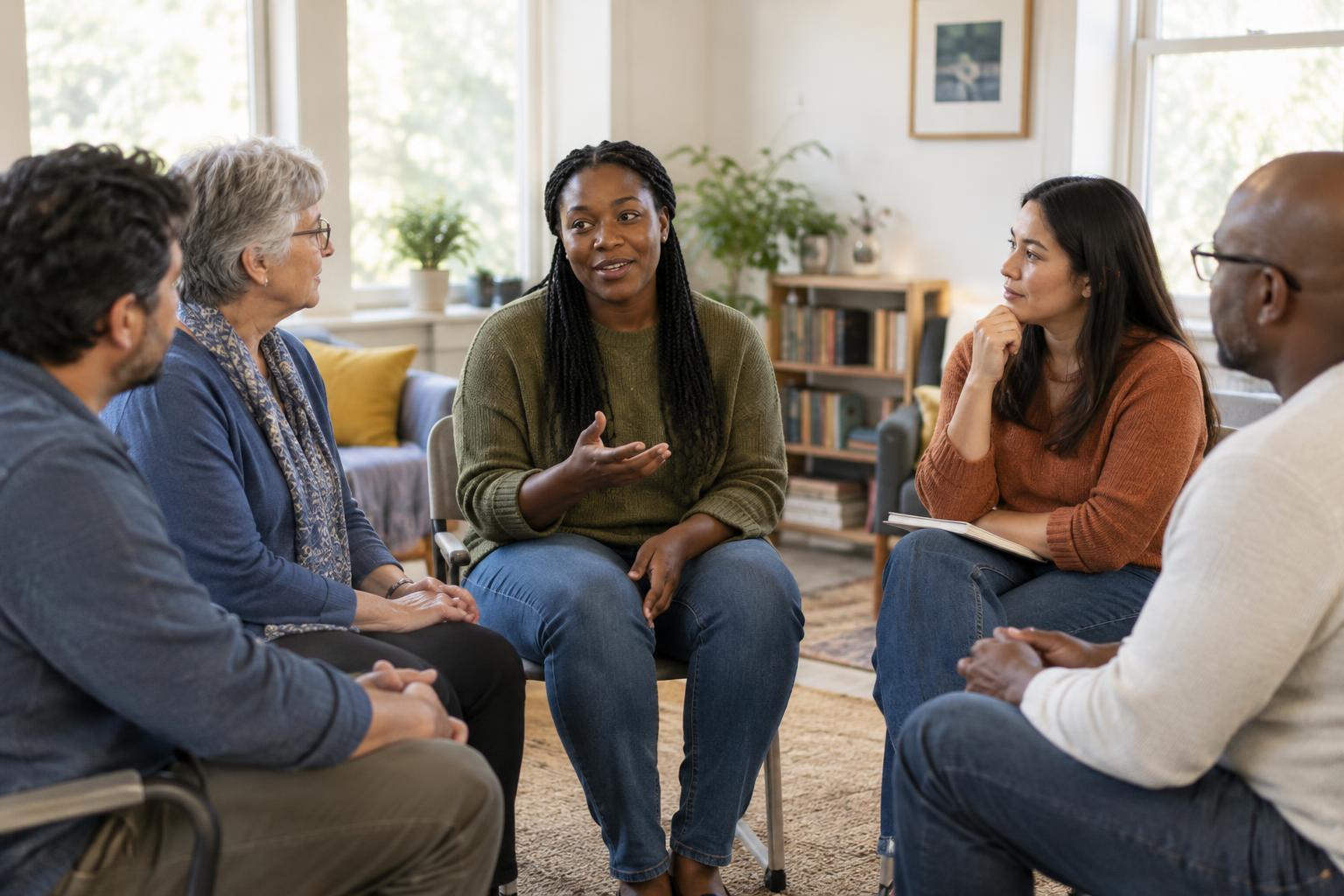
Communication SkillsA good group conversation makes room for different voices without putting anyone on the spot. These practical habits can help participants and facilitators notice who has space to speak, invite contributions gently and keep the discussion moving.
Read article · 4 min↗

Communication SkillsA crossed arm, a quiet voice or a glance away can have many meanings. Learn how to notice nonverbal cues without treating them as proof of someone’s feelings, and how to check in respectfully when understanding matters.
Read article · 3 min↗
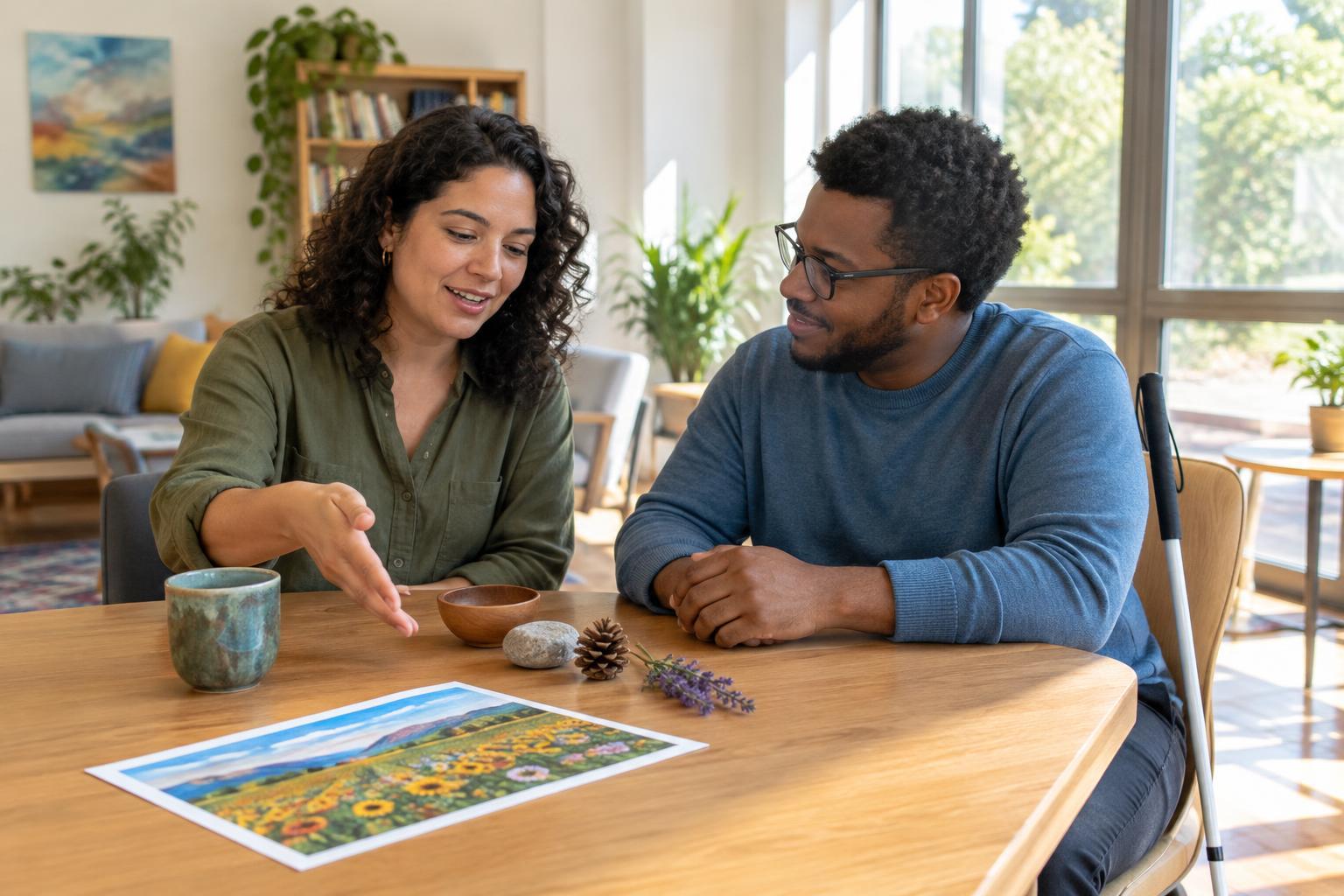
Communication SkillsA clear spoken description can help someone follow what is happening in a room, on a screen or during a shared activity. Learn how to ask what is useful, choose the details that matter and make description feel like a natural part of conversation.
Read article · 4 min↗
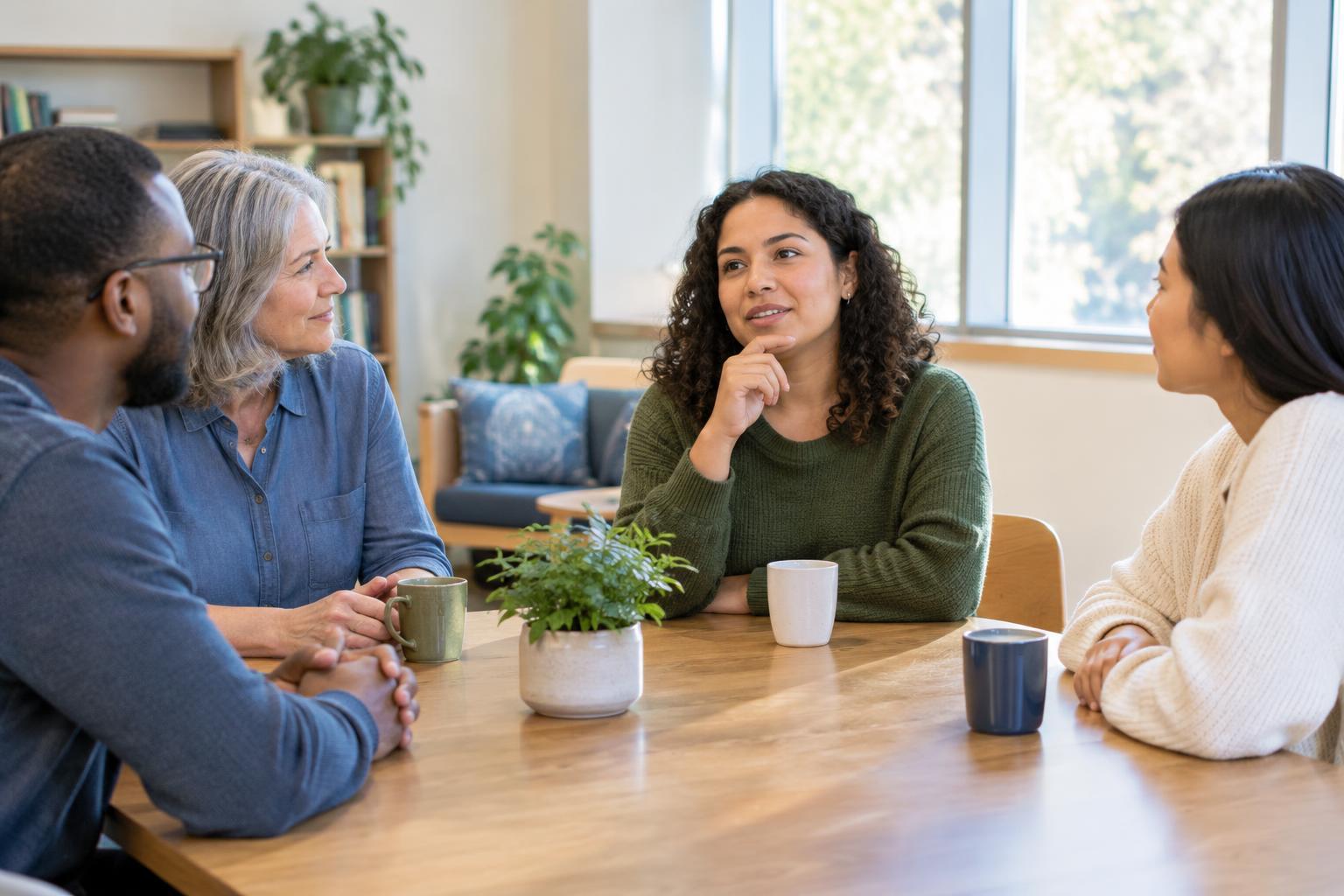
Communication SkillsA pause in conversation does not always mean someone has nothing to say. Learn how to make room for different response times in everyday conversations, meetings and messages without making anyone feel singled out.
Read article · 3 min↗
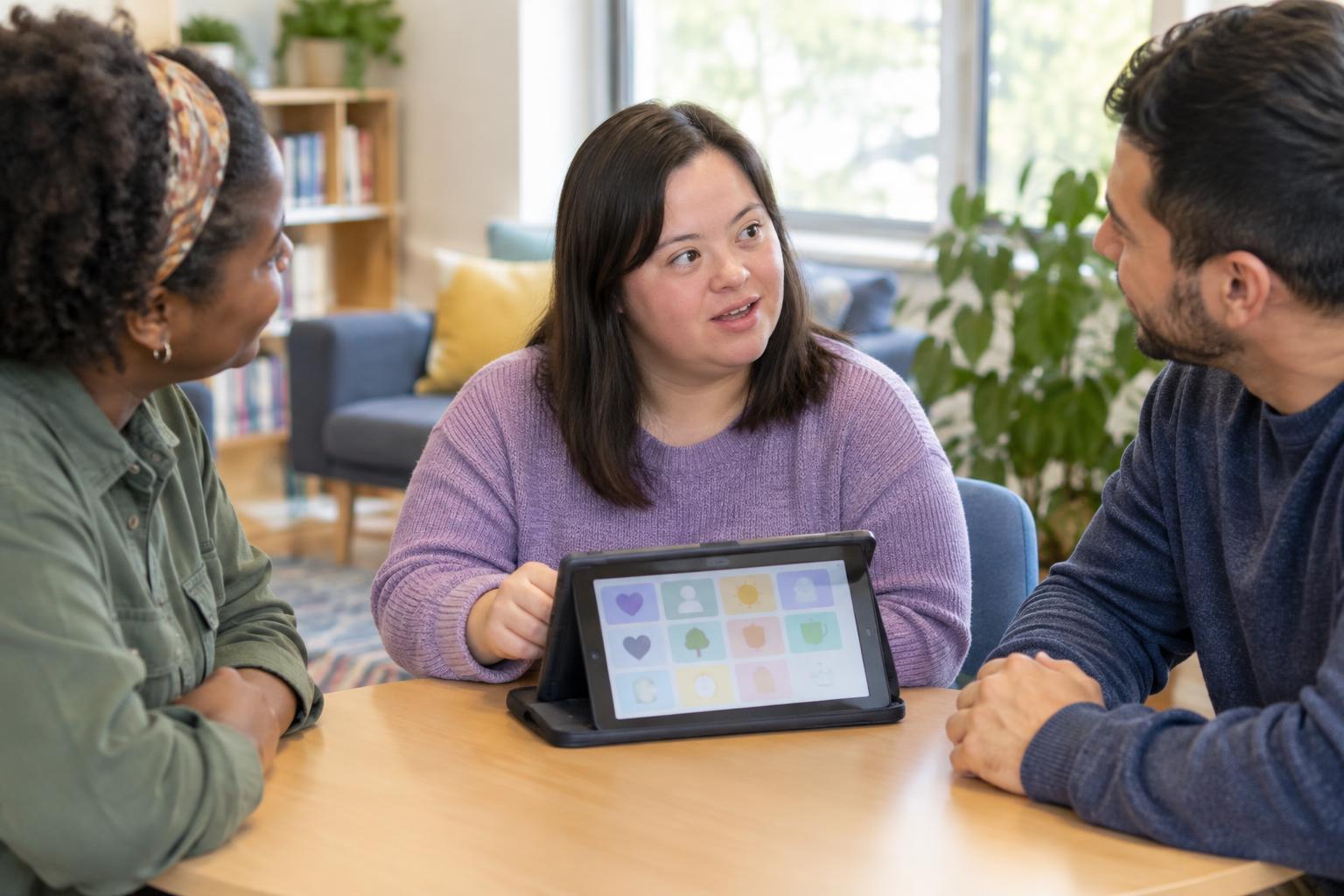
Communication SkillsA good conversation does not depend on everyone communicating at the same speed or in the same way. Learn simple ways to make room for someone who uses an augmentative communication device, from allowing time to respecting their words and choices.
Read article · 4 min↗
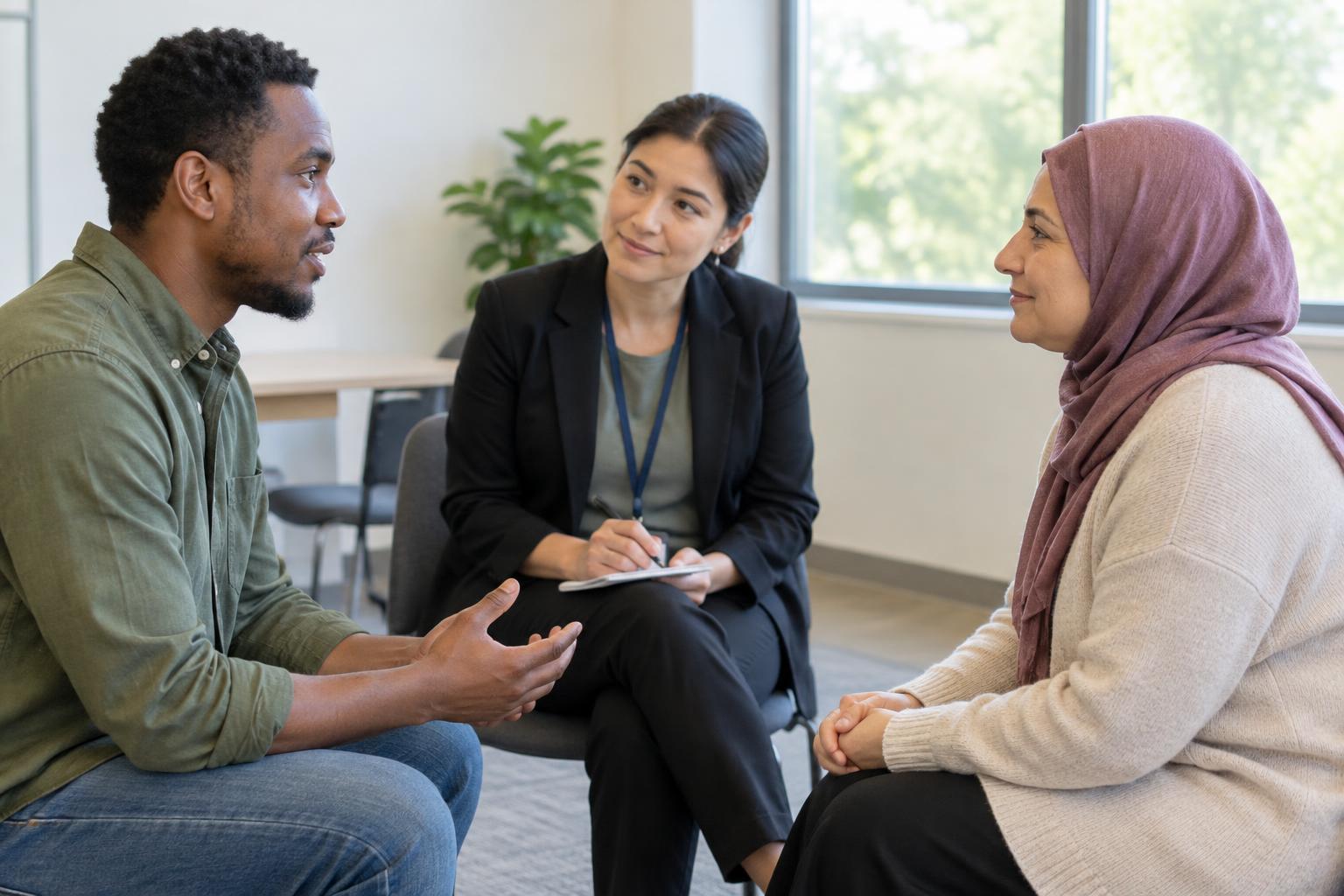
Communication SkillsAn interpreter can help people take part in the same conversation, but your attention should stay with the person you came to speak with. These practical habits make conversations clearer and more respectful.
Read article · 4 min↗

Communication SkillsUsing the name and pronouns a person asks you to use is a practical way to show respect. Learn how to ask without putting someone on the spot, build better habits, and correct a mistake without making the moment about you.
Read article · 4 min↗
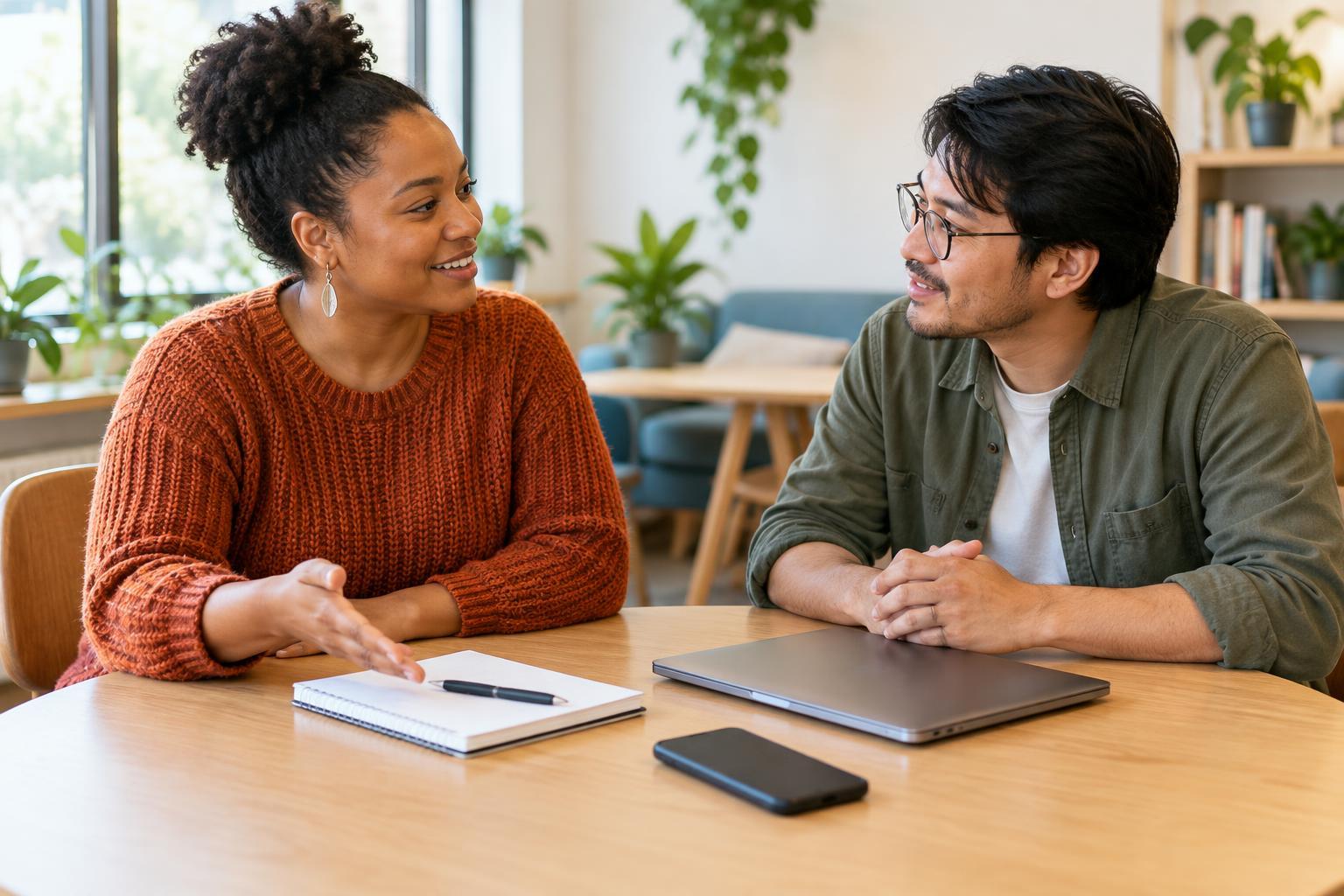
Communication SkillsA simple question about communication preferences can make conversations easier and more welcoming. Learn when to ask, what to offer, and how to follow through without putting someone on the spot.
Read article · 4 min↗
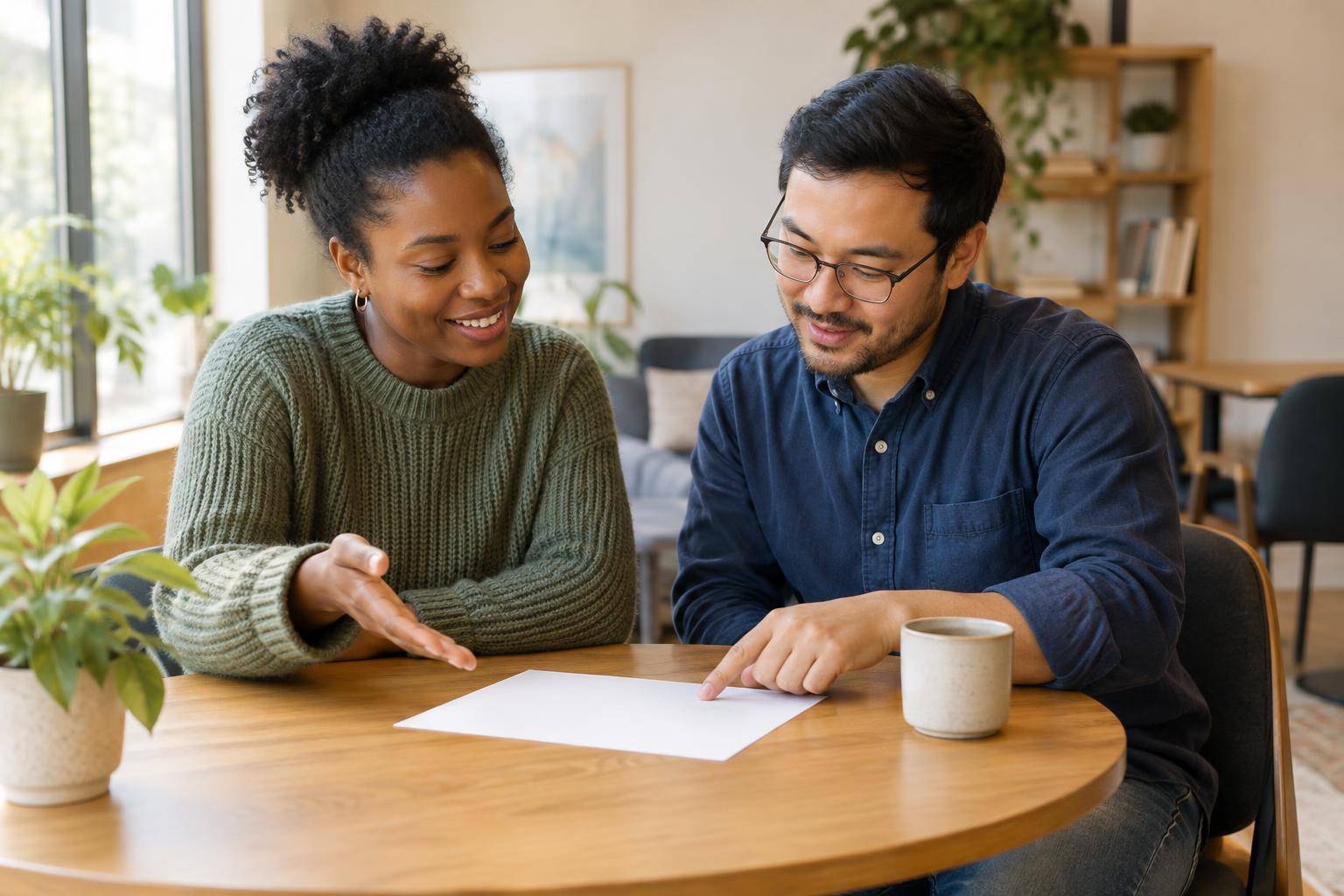
Communication SkillsA quick “Does that make sense?” can feel like a test, even when you mean well. Learn gentler ways to check that a message landed, make room for questions, and confirm next steps together.
Read article · 4 min↗

Communication SkillsPlain language helps people understand a message and decide what to do next. The key is to simplify the information, not talk down to the reader. These practical steps can make everyday messages clearer, warmer and easier to use.
Read article · 4 min↗
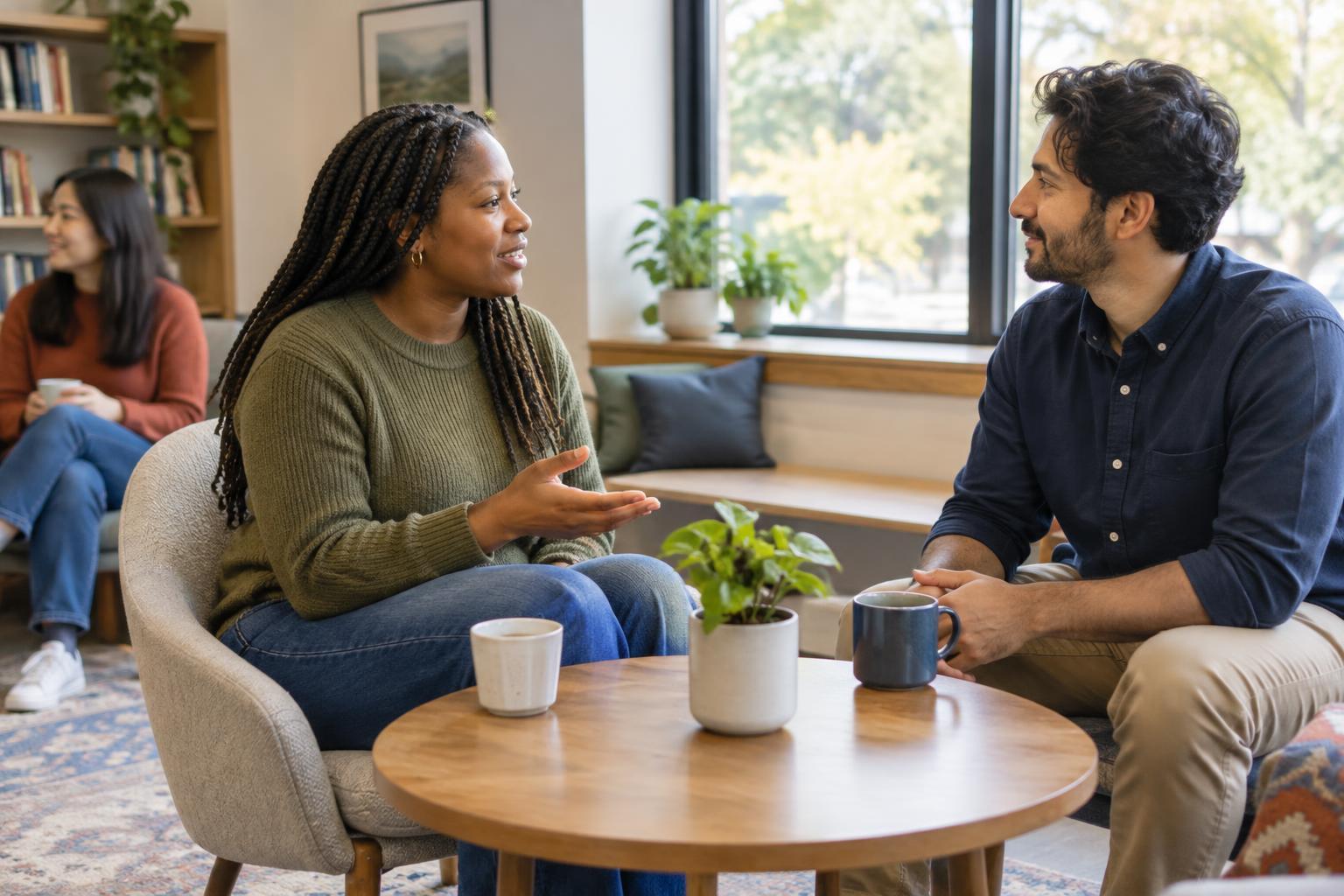
Communication SkillsOpen-ended questions invite people to share their perspective. Closed questions make it easier to confirm a detail or choose a next step. Learn how to use both without turning a conversation into an interview.
Read article · 4 min↗
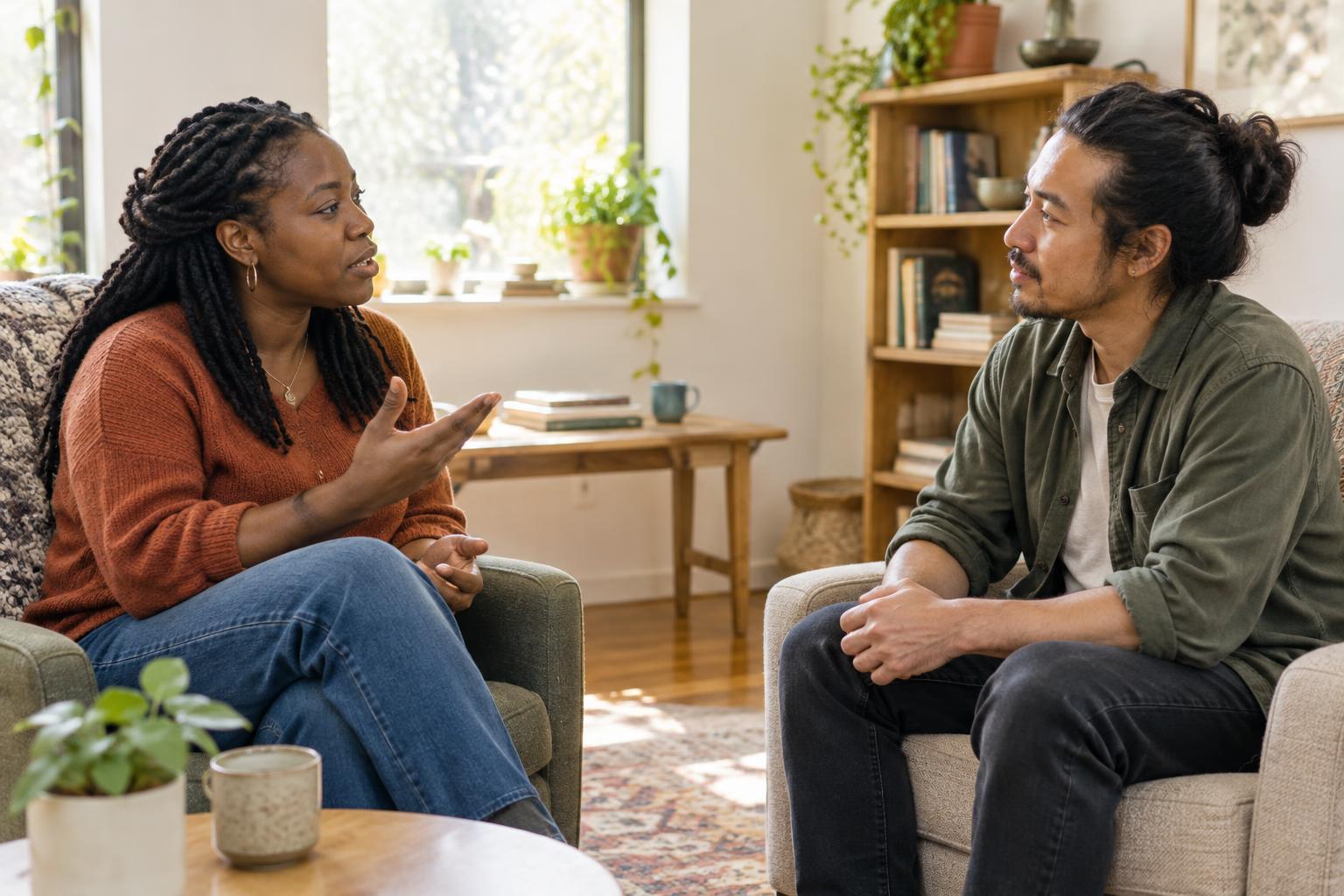
Communication SkillsActive listening is less about staying perfectly silent and more about making room for someone to finish their thought. Learn how to use pauses, brief responses and thoughtful questions to show attention while respecting different communication styles.
Read article · 3 min↗